Trump's Immigration Crackdown Puts Maine Senate Race in Turmoil
The political landscape in Maine has been dramatically reshaped as former President Donald Trump's administration initiates a significant escalation of immigration enforcement operations in the state. This development comes at a critical moment for Senator Susan Collins, the six-term Republican who now faces an increasingly challenging re-election battle against a backdrop of national immigration politics playing out in her own constituency.
A Veteran Senator Under Fire
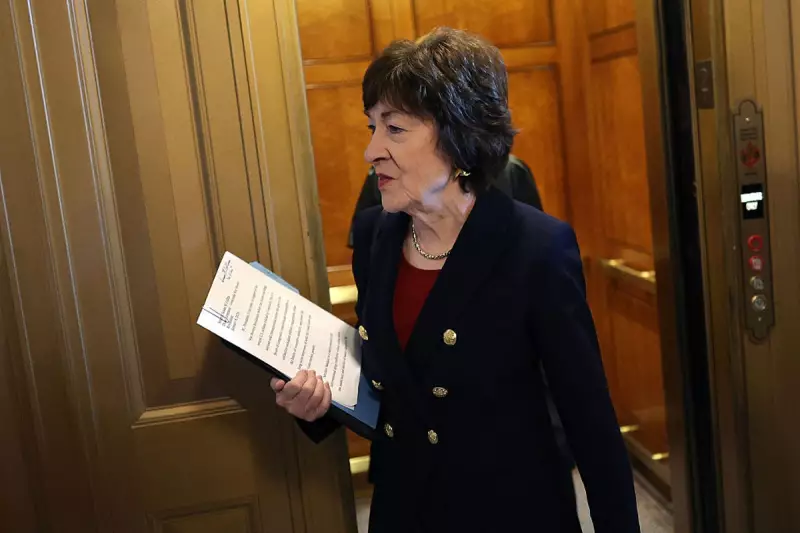
Susan Collins has maintained her Senate seat through six consecutive terms, establishing herself as a centrist Republican known for occasionally breaking with party lines while generally remaining a reliable member of the GOP caucus. Her political survival has often depended on this delicate balancing act, positioning herself as an independent voice while maintaining essential party support.
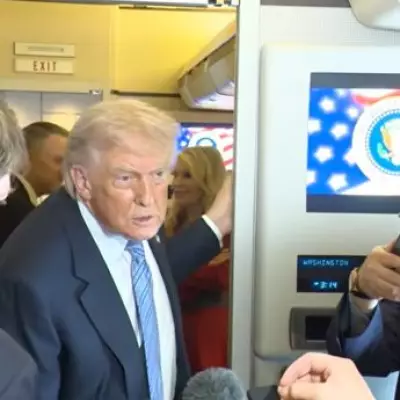
This election cycle, however, presents unprecedented challenges. Following her vote on a War Powers resolution concerning Venezuela hostilities, Collins found herself targeted by Trump himself, who publicly urged Republican voters to abandon her and several other GOP senators. Despite Senate Republican leadership attempting to downplay these comments, Trump subsequently doubled down, labelling Collins a "disaster" in a social media post.

Operation Catch of the Day Arrives in Maine
The political pressure intensified this week as Homeland Security officials confirmed a substantial surge in Immigration and Customs Enforcement (ICE) operations would commence in Maine. Dubbed "Operation Catch of the Day," this initiative specifically targets Maine's Somali-American community, concentrated primarily in Lewiston, along with other locations where undocumented immigrants from various African nations are believed to reside.
This enforcement action follows similar operations in Minnesota and aligns with Trump's longstanding criticism of Somali-American communities, which Democratic politicians have characterised as overtly racist. According to a Department of Homeland Security official speaking to Fox News, the administration aims to arrest approximately 1,400 individuals throughout the state.
Democratic Opposition Seizes the Moment
The announcement has provoked strong reactions from Collins' declared Democratic opponents, most notably Governor Janet Mills, who is challenging Collins for the Senate seat. Both Mills and Independent Senator Angus King, who caucuses with Democrats, held a joint briefing in Portland to address concerns about the ICE surge.
They raised particular alarm about reports suggesting ICE agents might enter homes and businesses without warrants to detain individuals suspected of immigration violations. Collins was notably absent from this discussion, having maintained limited public commentary since the enforcement plans were announced.
Governor Mills expressed concern that the operations would not focus exclusively on individuals with criminal backgrounds but would involve broader sweeps targeting anyone with immigration irregularities. "We take allegations of criminal activity seriously, no matter who the person is," Mills stated. "I don't sense that there's any greater incidence of crime among non-citizens than there is among citizens; in fact, I think probably the opposite."
Collins' Nuanced Response
Senator Collins eventually released a carefully worded statement acknowledging both enforcement priorities and civil liberties concerns. "There are people in Maine and elsewhere who have entered this country illegally and who have engaged in criminal activity," Collins noted. "They could be subject to arrest and deportation pursuant to the laws of the United States."
She simultaneously cautioned protesters to avoid interfering with law enforcement efforts while advocating for specific reforms. "I have advocated for providing body cameras and de-escalation training for ICE personnel," Collins continued. "At this time of heightened tensions, these steps could help improve trust, accountability, and safety."
The senator highlighted proposed funding measures including $20 million for body cameras and $2 million for de-escalation training within Department of Homeland Security appropriations.

National Context and Local Consequences
The Maine operations occur alongside larger-scale ICE activities in Minneapolis, where tensions have escalated dramatically following an incident where an ICE agent shot and killed a woman during a confrontation. This has sparked widespread protests that have resonated in Maine communities.
Senator King issued a particularly forceful condemnation, describing the administration's actions as "the most dangerous assault on our economy, our democratic system, and our people since the Civil War" and pledging to vote against ICE funding when it reaches the Senate.
Political Calculations and Campaign Dynamics
Despite Trump's hostility, Collins retains significant institutional support. Senate Majority Leader John Thune has described her as the "only" Republican who can win in Maine, and the Senate Leadership Fund has committed $42 million to support her campaign, indicating that Washington Republicans have not abandoned her re-election bid.
Nevertheless, Collins faces substantial political headwinds. Trump's net approval rating in Maine remains deeply negative, approximately 18 points underwater according to recent polling. More significantly, Trump has demonstrated through both rhetoric and policy that he is willing to centre a contentious national debate about immigration enforcement directly in Collins' political backyard.
By authorising ICE raids in Maine shortly after Collins' controversial Venezuela vote, Trump has effectively provided her Democratic opponents with powerful political ammunition at a critical juncture in the campaign. This creates an exceptionally challenging environment for a senator whose political identity has long depended on navigating between party loyalty and independent positioning.
The coming months will reveal whether Collins can withstand this perfect storm of political pressures or whether Trump's immigration policies will ultimately cost Republicans one of their most enduring Senate seats.