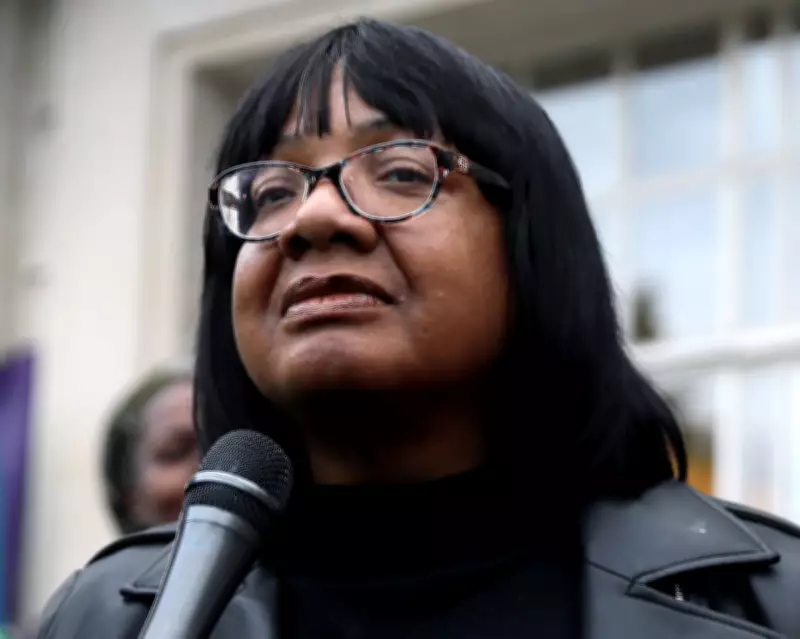
Jesse Jackson Draws Direct Line from Civil Rights Era to Diane Abbott
Civil rights icon Jesse Jackson has made a significant statement, drawing a direct connection between the great civil rights era of the 1960s and the political career of Diane Abbott. In a recent address, Jackson emphasised how Abbott's work in Parliament and her advocacy for marginalised communities echo the foundational struggles for racial equality and social justice that defined the civil rights movement.
Historical Context and Modern Relevance
Jackson, a key figure in the civil rights movement alongside leaders like Martin Luther King Jr., pointed out that the battles fought during that era laid the groundwork for contemporary political figures like Abbott. He noted that Abbott, as the first Black woman elected to the UK Parliament, embodies the progress and ongoing challenges in the fight against discrimination. Her efforts in areas such as immigration reform, healthcare access, and anti-racism policies are seen as a continuation of the civil rights legacy.
Abbott's Role in Continuing the Struggle
Diane Abbott has been a vocal advocate for equality throughout her political career, often highlighting issues of race, class, and gender. Jackson praised her resilience in the face of political adversity and media scrutiny, comparing it to the perseverance required during the civil rights marches and protests. He argued that Abbott's work serves as a bridge, connecting past movements to current social justice initiatives, ensuring that the lessons of history are not forgotten.

Implications for Future Activism
This connection underscores the importance of historical awareness in modern activism. Jackson's comments suggest that understanding the civil rights era can inspire and guide new generations of leaders. By linking Abbott to this pivotal period, he highlights how individual efforts can contribute to broader societal change, reinforcing the idea that the fight for justice is an ongoing process that requires continuous engagement and solidarity.
In summary, Jesse Jackson's remarks serve as a powerful reminder of the enduring impact of the civil rights movement and its relevance to today's political landscape, with Diane Abbott standing as a testament to its lasting influence.