In a remarkable turn of events, King Charles III's address to the US Congress has won over even the most ardent anti-monarchists. The speech, delivered on Friday, 1 May 2026, was described as a Love Actually speech written by Plato, and it managed to charm critics and supporters alike.
Unexpected Success Amidst Controversy
The build-up to the King's address was fraught with challenges. The royal family had faced severe criticism over Prince Andrew's association with Jeffrey Epstein, and President Trump's dismissive remarks about Prime Minister Keir Starmer had strained the 'special relationship'. An IPSOS poll indicated that only one-third of Britons believed the visit would have a positive impact. Yet, within half an hour, Charles turned the tide.
A Charm Offensive with Subtle Jabs
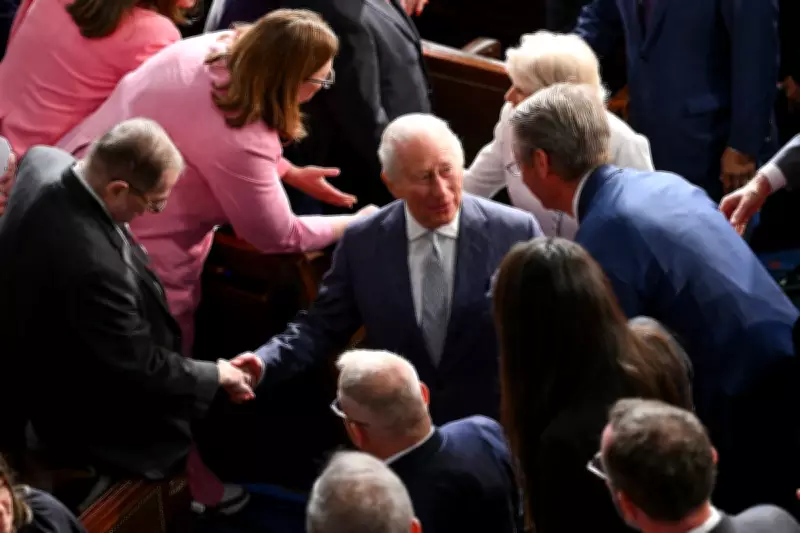
The King's speech was laced with understated rejoinders to Trump, cleverly disguised to avoid offence. He made pointed references to NATO, Ukraine's courageous people, and the British Navy. In a powerful conclusion, he reminded the president that 'America's words carry weight and meaning'. The address received 12 standing ovations, extending its runtime beyond the planned 20 minutes.

Winning Over Skeptics
Notably, the speech resonated with those usually critical of the monarchy. Alistair Campbell, a staunch republican, praised the 'clarion cry for Ukraine, NATO, nature, and democracy'. Journalist Emily Maitlis likened it to a philosophical love letter. Ann, a lifelong anti-monarchist from Nottingham, admitted she was charmed by Charles's humour and delivery.
Historical Context and Humour
Historian Hugo Vickers noted that Charles stepped out of his mother's shadow, taking a more strident tone than Queen Elizabeth II's 1991 address. The King's understated humour, including quotes from Oscar Wilde and gentle mockery of British traditions, was widely praised. The New York Times claimed he 'worked the House Chamber like a stand-up comedian'.
Appeal Across Generations
Surprisingly, the speech resonated with Gen Z, a demographic often indifferent to the monarchy. Expert Chloe Combi attributed this to Charles's climate awareness and his defence of vulnerable groups. At 77, the King appears to have found his voice, reminding observers of the value of a constitutional monarch in diplomatic roles.