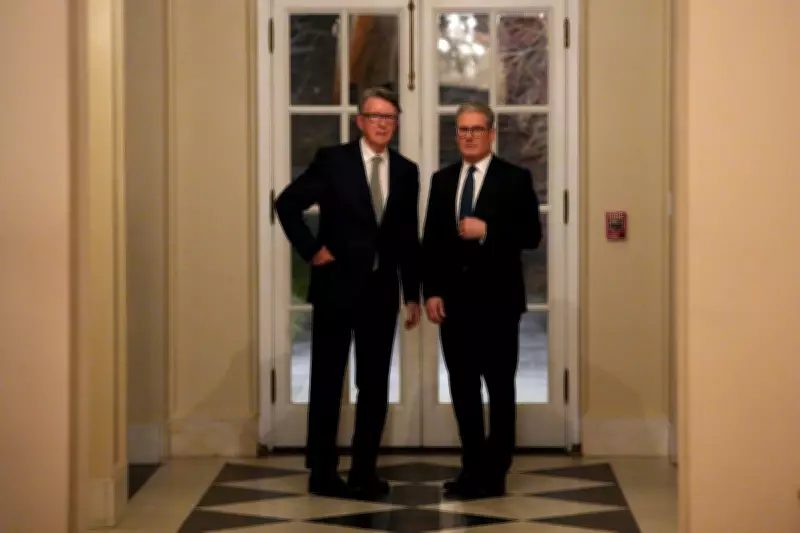
Labour has been confronted with serious accusations of orchestrating a deliberate cover-up following the limited disclosure of communications surrounding Lord Peter Mandelson's controversial appointment as US ambassador. The party released merely 31 messages and documents, all originating from official government email addresses, sparking immediate backlash from political opponents and transparency advocates.
Shadow Chancellor Demands Full Transparency
Shadow Chancellor Alex Burghart has vociferously called for the complete publication of all relevant correspondence, including exchanges conducted via private email and WhatsApp. Burghart emphasized that the failure to release these communications creates an overwhelming stench of concealment. He stated that the public deserves to see every piece of communication, regardless of the device or platform used, to ensure full accountability in the appointment process.
Private Communications Under Scrutiny
Reports indicate that Sir Keir Starmer's former chief of staff, Morgan McSweeney, utilized private email and WhatsApp to communicate with Lord Mandelson prior to his appointment. None of these messages have been made public, raising significant questions about the transparency and integrity of the Labour administration's decision-making. This omission has fueled allegations that the party is attempting to hide potentially sensitive discussions from public view.

Downing Street's Response and Admission
In response to the allegations, Downing Street has firmly denied any cover-up, asserting that there was no legal requirement for the prime minister to formally interview Lord Mandelson for the ambassadorial role. However, officials conceded that there are lessons to be learned from the appointment process, acknowledging room for improvement in procedural transparency and communication protocols.
Starmer's Judgment Questioned
Sir Keir Starmer is facing mounting scrutiny over his judgment in appointing Lord Mandelson, particularly given Mandelson's past association with convicted paedophile Jeffrey Epstein. Critics argue that this connection should have prompted more rigorous vetting and public disclosure, intensifying the pressure on Starmer to explain his decision-making and restore confidence in his leadership.
The controversy highlights ongoing concerns about political transparency and the use of private communication channels for official business. As demands for full disclosure grow, Labour must navigate these allegations while addressing public and political calls for greater openness in government appointments.