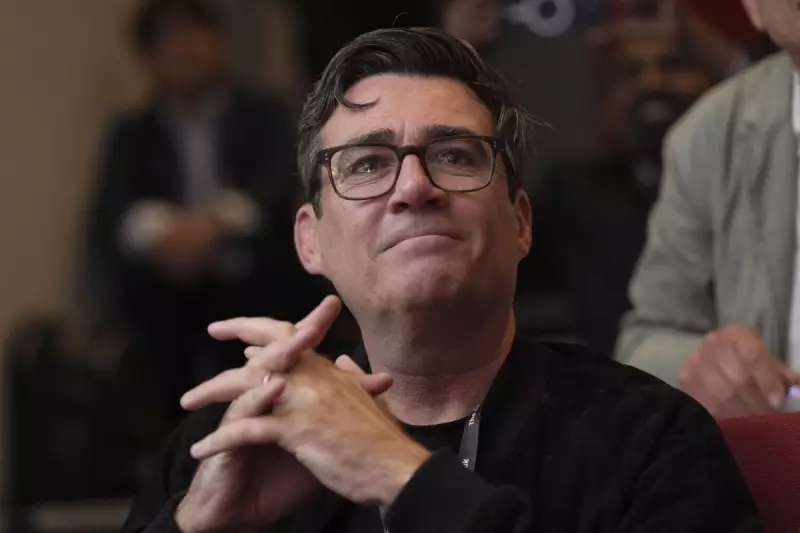
Labour's National Executive Committee has delivered a decisive blow to Greater Manchester Mayor Andy Burnham's political ambitions, blocking his bid to return to Westminster as the party's candidate in the upcoming Gorton and Denton by-election.
Overwhelming Vote Against Burnham's Application
The committee, which includes Labour leader Sir Keir Starmer and is chaired by Home Secretary Shabana Mahmood, voted overwhelmingly against Mr Burnham's application. The final tally showed an 8-1 vote against the Manchester mayor's return to parliamentary politics, with only one committee member supporting his candidacy.
Burnham Expresses Disappointment
Following the decision, Mr Burnham publicly expressed his disappointment with the outcome. The mayor raised concerns about how this decision might affect Labour's prospects in future elections, suggesting it could have broader implications for the party's electoral strategy and internal cohesion.

Accusations of Factionalism and 'Stitch-Up'
The NEC's decision has drawn sharp criticism from Labour MPs who support Mr Burnham. Several parliamentarians have warned of what they describe as "deep-seated factionalism" within the party's leadership structures. Some have gone further, labelling the decision a deliberate "stitch-up" designed to prevent Mr Burnham's return to frontline politics.
Leadership Concerns Behind the Decision
Allies of Sir Keir Starmer were reportedly concerned that Mr Burnham's return to Westminster could pose a significant threat to the current leadership. The Manchester mayor's popularity and independent profile were seen as potential challenges to Sir Keir's authority within the parliamentary party.
Mahmood Warns of Electoral Consequences
Home Secretary Shabana Mahmood, who chairs the NEC, has warned that voters "won't forgive Labour psychodrama over Burnham." This statement suggests concerns that internal party disputes could damage Labour's standing with the electorate, particularly in crucial by-election contests.
Implications for Labour's Future
The decision represents a significant moment in Labour's internal politics, highlighting tensions between the party's leadership and prominent regional figures. The blocking of Mr Burnham's candidacy raises questions about how Labour manages talent across different levels of government and balances parliamentary and mayoral ambitions.
The Gorton and Denton by-election now proceeds without one of Labour's most recognisable figures as a candidate, while Mr Burnham continues in his role as Greater Manchester Mayor, where he has built a substantial profile on issues including transport, housing and devolution.