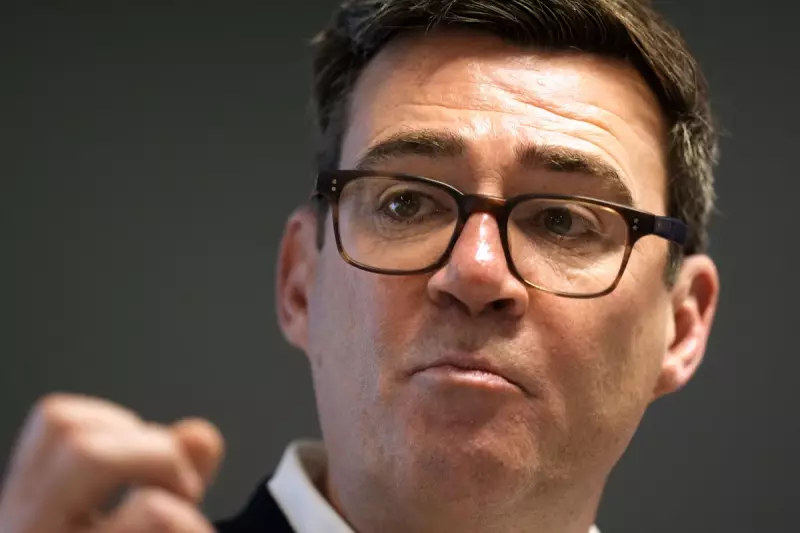
Andy Burnham, the Mayor of Greater Manchester, has publicly voiced his disappointment and concern after the Labour Party's National Executive Committee (NEC) voted to block his bid to contest the upcoming Gorton and Denton by-election.
NEC Decision Sparks Controversy
In a decisive move on Sunday morning, members of Labour's NEC convened and voted to deny Mr Burnham permission to stand as a candidate in the by-election contest. The committee's rationale centred on the potential strain on party resources, arguing that if Mr Burnham were to win the parliamentary seat, it would trigger an "unnecessary" mayoral by-election in Greater Manchester, diverting funds and attention from other critical campaigns.
Burnham's Response and Concerns
Hours after the NEC's announcement, Mr Burnham took to social media to issue a statement expressing his dismay. He stated, "I am disappointed by today's NEC decision and concerned about its potential impact on the important elections ahead of us." His remarks highlight broader anxieties about how this ruling might influence Labour's strategy and morale in future electoral battles, particularly in key regions like Manchester and Tameside.

Despite the setback, Mr Burnham pledged his unwavering support to the eventual Labour candidate, affirming, "To whoever is Labour's candidate and to our members in Manchester and Tameside: you will have my full support and I will be there whenever you need me." This commitment underscores his dedication to the party's local efforts, even as he navigates the fallout from the NEC's controversial decision.
Implications for Labour's Electoral Strategy
The NEC's vote raises significant questions about Labour's internal dynamics and resource allocation. By prioritising the avoidance of a mayoral by-election, the committee has effectively sidelined a high-profile figure like Mr Burnham, potentially impacting voter engagement and party unity in the run-up to crucial elections. Observers note that this move could signal a more centralised control over candidate selections, with implications for devolved leadership roles across the UK.
As the political landscape evolves, this incident may fuel debates within Labour about balancing national priorities with local representation, especially in areas like Greater Manchester where Mr Burnham has cultivated a strong following. The decision's ripple effects will likely be monitored closely in the coming months, as parties gear up for pivotal electoral contests.