Labour Deputy Leader Rejects Lord Doyle's Ennoblement Amid Scandal
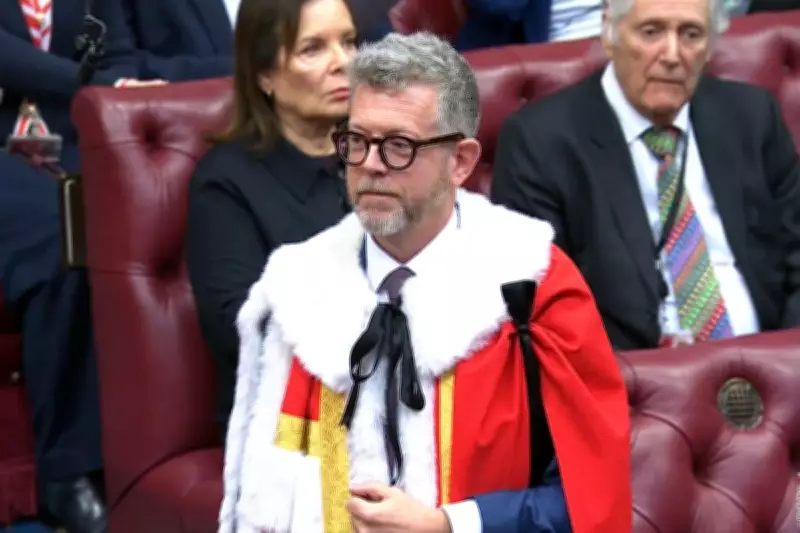
Labour's deputy leader, Lucy Powell, has unequivocally stated that she would not have ennobled Sir Keir Starmer's former communications chief, Lord Matthew Doyle, had she been aware of his connections to a paedophile councillor. In a candid interview, Powell emphasised that such appointments damage public trust and tarnish the entire political system.
Powell Condemns Peerage Decision
During a phone-in on LBC, Powell was asked directly whether she would have supported Lord Doyle's elevation to the House of Lords knowing about his ties to Sean Morton, a former Moray councillor convicted of possessing indecent images of children. "Well, clearly not," Powell replied. She elaborated that when individuals granted peerages are later found to have engaged in unacceptable behaviour, it "stains the whole system, and stains everybody else as well."
Powell acknowledged uncertainties about the timeline of knowledge regarding Lord Doyle's association with Morton, noting speculation exists. However, she stressed that the key issue was Doyle's continued support for Morton after the councillor's conviction, which she claimed was not fully disclosed during vetting.

Internal Investigation and Calls for Sanctions
The deputy leader confirmed that a thorough internal Labour Party investigation is underway, with further sanctions expected against Lord Doyle, who has already had the Labour whip removed. "Believe me, further sanctions will follow," Powell asserted, while cautioning against prejudicing the probe by taking premature action on stripping his peerage.
Other senior Labour figures, including Culture Secretary Lisa Nandy and party chairwoman Anna Turley, have echoed Powell's stance, arguing Doyle should not remain in the Lords. This aligns with broader government efforts to reform vetting and appointment processes for peerages.
Prime Minister Faces Mounting Criticism
Prime Minister Sir Keir Starmer is under intense scrutiny over his judgment in ennobling Lord Doyle. During Prime Minister's Questions, Tory leader Kemi Badenoch accused Starmer of knowing about Doyle's association with Morton before the peerage was conferred. Starmer defended himself, stating Doyle "did not give a full account" of his actions and highlighting that he removed the whip from Doyle promptly.
Opposition parties have lambasted Starmer's decision-making. SNP Westminster leader Stephen Flynn criticised the Prime Minister for repeating patterns seen in the earlier scandal involving Lord Peter Mandelson, another appointee linked to a sex offender. Liberal Democrats leader Sir Ed Davey condemned the situation as showing a "catastrophic lack of judgment."
Background of the Controversy
Lord Doyle campaigned for Sean Morton in 2017 after Morton was charged with possessing indecent child images, though Morton later admitted the offences. Doyle apologised unreservedly, stating he believed Morton's initial assertions of innocence and had limited contact post-conviction. However, reports indicate Doyle did not disclose this association during vetting for his peerage, which was announced in late December and took effect in January.
Downing Street has declined to commit to stripping Doyle's peerage, citing no precedent for withdrawing nominations after announcement and the need to avoid interfering with Labour's investigation. A spokesman emphasised ongoing reforms to appointment processes to prevent similar issues.
This scandal adds to a tumultuous period for Starmer's premiership, marked by high-profile departures and calls for his resignation from within his own party. The government now faces pressure to release documents related to Doyle's appointment, with Conservatives hinting at possible parliamentary action to compel transparency.