Labour Deputy Urges Starmer to Embrace Burnham's Approach Amid Leadership Crisis
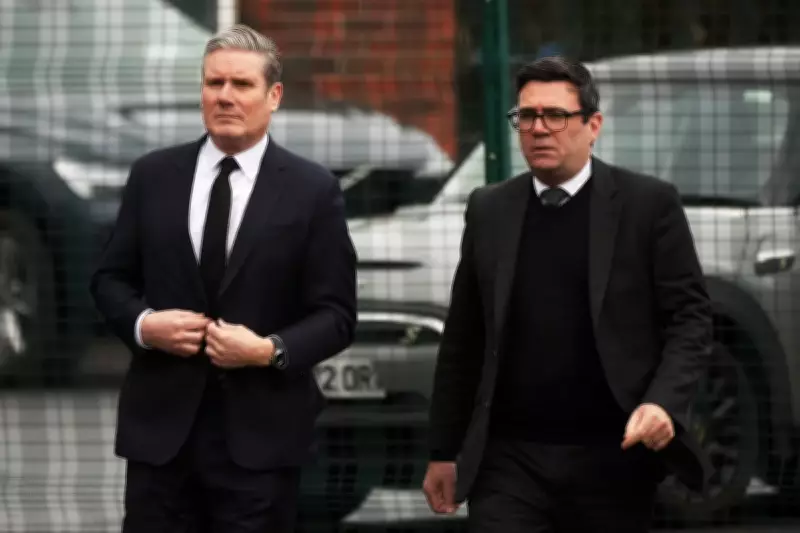
In the wake of a humiliating by-election defeat in Gorton and Denton, Labour's deputy leader Lucy Powell has publicly advised Prime Minister Keir Starmer to adopt a more collaborative approach, specifically urging him to learn from Greater Manchester Mayor Andy Burnham and integrate him more closely into the party's inner circle. This intervention comes as speculation intensifies over a potential coup by Labour MPs, with the party's third-place finish in what was previously its seventh safest seat amplifying internal pressures.
By-Election Fallout and Internal Criticism
The Gorton and Denton by-election saw Labour candidate Angeliki Sogia finish behind Green Party winner Hannah Spencer and Reform UK's Matthew Goodwin, a result described by Starmer as "disappointing" but one he vowed to fight through. Powell, who helped lead the unsuccessful campaign, has now broken ranks to criticise the decision to block Burnham from standing as the Labour candidate. She revealed that she was the sole member of the National Executive Committee to vote in favour of allowing Burnham to contest the seat, a move personally vetoed by Starmer.
Many Labour MPs believe that Burnham, who enjoys strong popularity in polls, could have secured victory and prevented the Green surge. When questioned on BBC Newscast about whether Starmer needs to emulate Burnham, Powell responded, "Well, look, let's learn from Andy and also bring Andy more on board with what we're doing as well." She further suggested that Burnham "probably would have" held the seat for Labour, arguing that the Greens would not have targeted it as aggressively had he been the candidate.

Starmer's Justification and Leadership Fears
Sir Keir defended his decision to block Burnham by citing concerns that it would trigger a mayoral election in Greater Manchester, which the party feared losing. However, others within Labour circles speculate that the move was motivated by fears that Burnham could eventually replace Starmer as party leader and prime minister if he entered Parliament. This internal tension highlights deeper divisions within the party as it grapples with electoral setbacks and leadership stability.
Escalating Scandals and Left-Wing Pressure
Concurrently, left-wing Labour MPs are intensifying pressure on Starmer over a separate scandal involving the Labour Together think tank and PR firm APCO. Richard Burgon and John McDonnell have confirmed they have submitted subject access requests to both organisations, seeking all documents related to themselves. This follows allegations that Labour Together, formerly run by Starmer's ex-chief of staff Morgan McSweeney, hired APCO to investigate journalists critical of the party, with accusations of attempted smearing.
Starmer has maintained support for cabinet office minister Josh Simons, who was involved in recruiting APCO, while Labour Together insists the firm was engaged only to probe a leak, not to conduct a smear campaign. This controversy adds another layer of turmoil to Starmer's leadership, which is already under scrutiny from multiple factions within the party.
Ongoing Silence and Future Implications
Andy Burnham has yet to comment on the by-election result, leaving his stance on the matter unclear. Meanwhile, Starmer remains defiant, pledging to continue his premiership despite the mounting challenges. The combination of electoral defeat, internal criticism from figures like Powell, and escalating scandals underscores a critical juncture for Labour, with potential implications for its unity and strategy moving forward. As Powell's remarks suggest, embracing Burnham's approach may be seen as a pathway to rebuilding support and stabilising the party's direction.