Labour MPs Rage at Starmer Over 'Unforgivable' Peerage Scandal and 'Boys' Club' Culture
Prime Minister Keir Starmer is embroiled in a fierce battle to contain mounting fury within the Labour Party, as MPs condemn what they describe as an 'unforgivable' shambles surrounding his government. Despite seemingly averting an immediate leadership coup, Starmer continues to face relentless criticism from his own benches, with the controversy intensifying over his decision to award a peerage to his former spin doctor, Matthew Doyle.
Peerage Decision Sparks Outrage
The anger has been fuelled by revelations that Sir Keir proceeded with elevating Doyle to the House of Lords last month, despite being aware that Doyle had campaigned for Sean Morton, a former Labour councillor charged with serious child-sex offences. This move has drawn damaging comparisons to the decision to appoint Peter Mandelson as US ambassador, despite warnings about his friendship with the convicted paedophile Jeffrey Epstein.
In a bruising meeting with female Labour MPs yesterday, Emma Lewell-Buck, who has years of experience in child protection services, confronted the Prime Minister. She expressed her distress, stating, 'I can't even begin to explain how much it hurts when people are screaming at me in the street that I am a member of the 'paedo protectors party'.' She added pointedly, 'You have said so many times now things will be different, each time it isn't.'

Calls for Cultural Overhaul
Labour women have accused Starmer of presiding over a 'boys' club' in Downing Street, alleging that the government has paid insufficient attention to victims of sexual abuse. Harriet Harman, the former deputy leader, has called for Sir Keir to appoint a woman as his de facto deputy to 'turbo-charge' a 'complete culture change'. Backbench MP Polly Billington echoed this sentiment on ITV's Peston show, suggesting that the mooted First Secretary of State should have a specific brief to 'hunt out misogyny'.
Culture Secretary Lisa Nandy also voiced complaints about 'toxic briefings' that were 'dripping with misogyny'. In an interview with the Guardian, she insisted, 'I say it's unforgivable... What was laid bare in the Epstein files is that there are a group of people in this country and across the world – powerful, wealthy people, mostly men – who control the system, look after their own interests, look after each other and screw everyone else.' She emphasised that Labour must focus on redistributing power as well as wealth.
Doubts Over Starmer's Leadership
Nandy further risked casting doubt on whether Sir Keir could genuinely change, as he attempts another political 'reset'. She remarked, 'You know he is an actual person? You can't revamp a person. If I went to Keir and told him, 'I'm going to customise and revamp you,' he'd tell me to f*** off.' This underscores the deep-seated scepticism among some MPs about the Prime Minister's ability to reform his approach.
In response to the backlash, Starmer told the women's Parliamentary Labour Party meeting that he would consider Harman's proposal to appoint a woman as First Secretary of State. Meanwhile, Lord Doyle was stripped of the Labour whip on Tuesday night as anger escalated, though Downing Street has struggled to explain why the peerage was granted last month after the revelations about Morton emerged in December. Doyle has since apologised for maintaining contact with Morton.
Political Fallout and Criticism
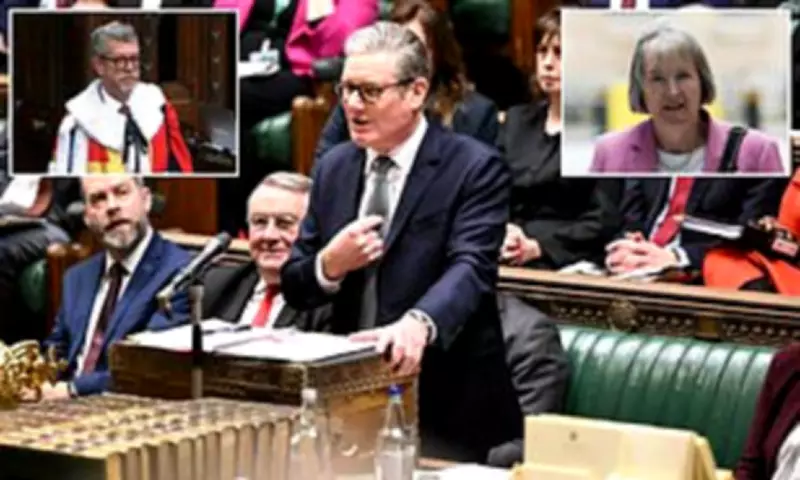
In the Commons, Kemi Badenoch highlighted what she termed an 'established pattern of behaviour' in which the Prime Minister ignores warnings about the conduct of allies until forced to discard them to 'save his own skin'. This criticism adds to the growing perception of a government in disarray, with fresh doubts raised about Starmer's judgment and leadership capabilities.

The scandal has not only damaged Labour's internal cohesion but also risked undermining public trust, as MPs warn that the party appears more focused on internal conflicts than on addressing broader societal issues. As Starmer navigates this crisis, the demands for transparency, accountability, and a fundamental shift in culture within his administration are becoming increasingly urgent.