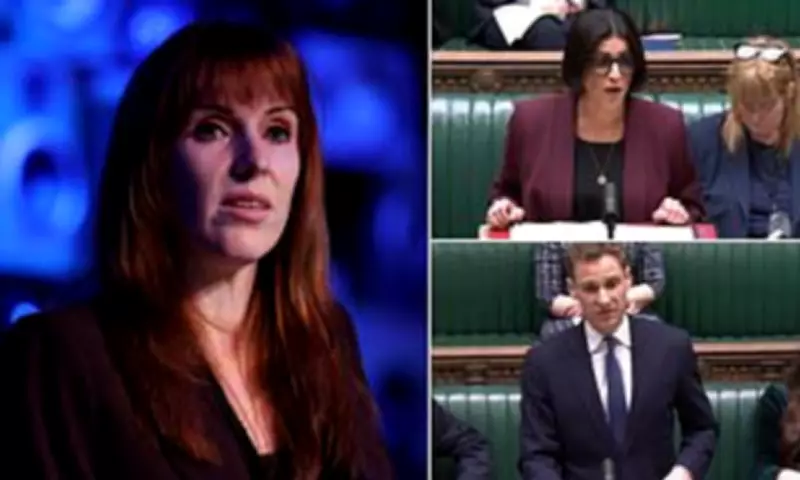
Labour Immigration Policy Sparks Internal Conflict as Rayner Criticises Mahmood's Plans
Home Secretary Shabana Mahmood has forcefully rejected suggestions that former deputy prime minister Angela Rayner is dictating immigration policy from the backbenches, amid a growing Labour rebellion over controversial proposals to tighten the UK's settlement system. The escalating internal dispute centres on Mahmood's plan to significantly extend the time required for immigrants to qualify for indefinite leave to remain (ILR).
Proposed Changes to Settlement Rules
The Home Secretary's proposals would at least double the qualifying period for standard applications from five to ten years, while refugees would face a twenty-year wait before becoming eligible for permanent settlement. Most controversially, these changes would apply retrospectively, affecting approximately 2.2 million people who have arrived in the United Kingdom since 2021.
Last week, Angela Rayner emerged as the most prominent critic of these measures, describing them as 'un-British' and warning that 'moving the goalposts undermines our sense of fair play'. Her intervention has intensified speculation about her political ambitions and potential return to frontline politics.

Commons Confrontation and Denials
During a heated exchange in the House of Commons, shadow home secretary Chris Philp directly challenged Mahmood, asking: 'Who is running the government's immigration policy now, is it her or is it the former deputy prime minister?'
The Home Secretary responded emphatically: 'The assertion that he makes at the heart of what he just said is absolute rubbish.' She added that the government would consult on proposed changes before bringing forward formal proposals in due course.
Over the weekend, close allies of Mahmood claimed she had warned Prime Minister Keir Starmer that she would resign if her immigration reforms were diluted through 'meddling'. Both the Home Office and Number 10 have denied reports that Mahmood threatened to quit during discussions with the Prime Minister last week.
Leadership Rivalry and Political Manoeuvring
According to sources close to the Home Secretary, Rayner's criticism stems from viewing Mahmood as a potential future leadership rival within the Labour Party. This interpretation adds another layer to the ongoing policy disagreement, transforming it into what some observers see as a proxy battle for influence within the party hierarchy.
Labour rebels opposed to the immigration changes are reportedly preparing to use a rarely invoked parliamentary procedure to force a symbolic vote on the measures in coming months. Communities Secretary Steve Reed acknowledged there was a 'robust' debate within Labour over the policy, while emphasising that the party was elected with a manifesto commitment to reform the immigration system.
Rayner's Political Prospects and Public Perception
Rayner's intervention comes less than a year after she resigned from her positions as housing secretary, deputy prime minister, and Labour deputy leader following a controversy over unpaid stamp duty on a property purchase. Her recent speech in a Westminster pub, in which she warned that Labour was 'running out of time' to deliver meaningful change, has been interpreted by some as an early leadership pitch.
However, polling data suggests Rayner faces significant challenges in winning over the broader electorate. According to Luke Tryl, UK director of More in Common, recent focus groups revealed 'fairly negative' public perceptions of the former deputy leader. One participant commented: 'Angela, there's a lot of baggage there.'
More in Common's research from last month found that nearly half (48%) of voters considered it unacceptable for Rayner to return to government, compared to just 24% who viewed it as acceptable. January polling showed Rayner's net favourability among voters at -35, with only 14% holding a positive view of her.

Tryl noted that while Westminster insiders might have 'moved on more quickly' from Rayner's tax controversy, the general public remains more sceptical about her political rehabilitation. The pollster's data indicated that Rayner was less popular than several other senior Labour figures, including Energy Secretary Ed Miliband, Health Secretary Wes Streeting, and Greater Manchester mayor Andy Burnham.
Only Prime Minister Keir Starmer and Chancellor Rachel Reeves ranked lower in public esteem than Rayner according to the January survey, highlighting the challenges she would face in any future leadership bid.