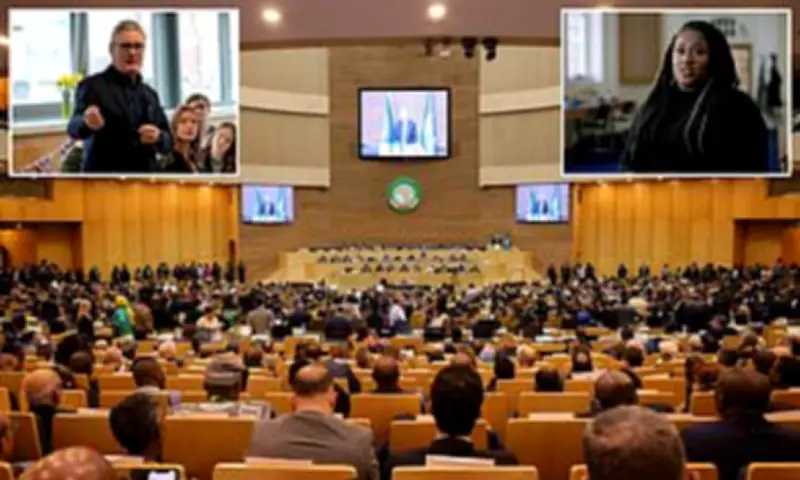
In a significant political development, Labour MP Bell Ribeiro-Addy has amplified demands from the African Union for slavery reparations from nations including Britain, pushing the issue onto the international stage. The backbencher has consistently urged the UK government to actively engage in discussions about reparations, arguing that concrete action is essential to address the enduring legacies of slavery and colonialism that persist today.
UN Resolution to Declare Slave Trade a Crime Against Humanity
Ms Ribeiro-Addy has highlighted a pivotal agreement by the African Union to table a United Nations resolution next month, which aims to formally brand the transatlantic slave trade as a crime against humanity. This resolution, scheduled for presentation on March 25, seeks global recognition of the historical atrocities and their ongoing impacts.
The African Union, representing all 55 nations on the continent, has called for meaningful reparations from European powers to counteract systemic injustice across the region. In a coordinated effort, the AU has pledged to collaborate with Caribbean countries to pursue compensation, with some estimates suggesting trillions of dollars are owed for historical wrongs.

Ghana Leads the Charge at the United Nations
At a recent summit, the African Union tasked Ghana with leading the initiative on reparations. Foreign Minister Samuel Okudzeto Ablakwa, in a message reposted by Ms Ribeiro-Addy on social media, emphasised that the resolution will demand reparations, including the return of looted cultural artefacts. He stated, 'By standing together at the United Nations, we signal to the world that Africa will no longer allow the scale of its historical suffering to be minimised.'
Mr Ablakwa further elaborated, 'We seek not only recognition, but a global legal framework that paves the way for healing, accountability, restitution and restorative justice.' This move raises the prospect that Britain, which controlled a quarter of Africa at the height of its empire, could face renewed claims over its involvement in the slave trade and colonial practices.
Broader Framing of Reparations Beyond Slavery
Reparations are now being framed more broadly, extending beyond slavery to include the return of stolen cultural objects, reforms to global economic systems, and compensation for climate change impacts. Leaders argue that industrialised nations in the Global North bear historical responsibility for environmental degradation, linking colonial exploitation to contemporary ecological crises.
Other colonial powers that may face similar pressure include France, Spain, Portugal, Belgium, and Germany, all of which participated in the carving up of Africa by the late 19th century. Despite Britain's role in abolishing the slave trade in the early 18th century and efforts to combat it globally, ministers have remained adamant that the UK will not make any reparations payments.
Political Implications for Keir Starmer's Government
The reparations issue presents another challenge for Prime Minister Keir Starmer as he navigates political pressures in Downing Street. With Ms Ribeiro-Addy and other advocates pushing for engagement, the government faces growing calls to address historical injustices while balancing domestic and international diplomatic relations.
As the UN resolution approaches, the debate over reparations is set to intensify, highlighting deep-seated historical grievances and the complex path toward reconciliation and justice in a global context.