Labour MPs Urge Government to Accept Court Ruling on Palestine Action Ban
Labour MPs have strongly urged the Government not to appeal a High Court ruling that declared the ban on Palestine Action as a terror group to be unlawful and disproportionate. This call comes from backbench MPs and Labour peers in the House of Lords, who are also pressing Home Secretary Shabana Mahmood to retract her statement that she would fight the ruling, arguing that such language does not align with the dignity of her office or Labour values.
Implications of the High Court Decision
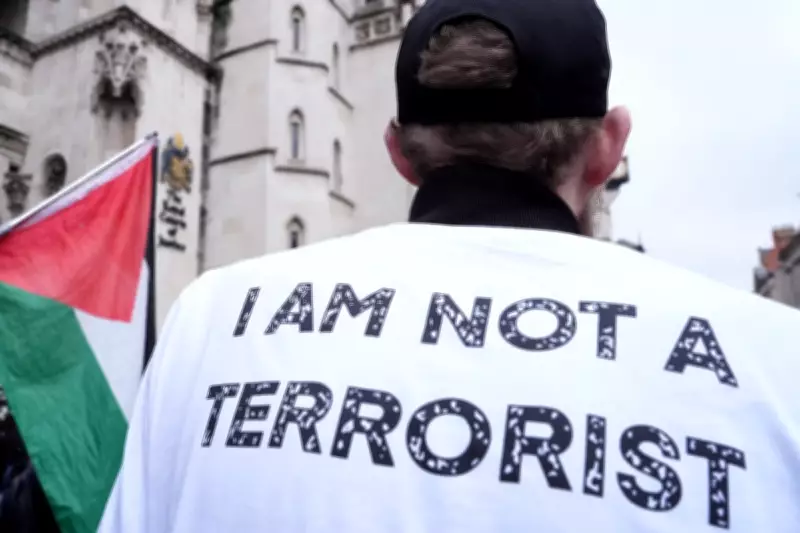
The ruling, delivered on Friday by Dame Victoria Sharp, Mr Justice Swift, and Mrs Justice Steyn, could have significant implications for thousands of individuals arrested for supporting Palestine Action at protests across the country. Although the ban remains in effect temporarily, the Government has announced plans to appeal the decision. Proscription under the Terrorism Act 2000 makes it a criminal offence to belong to or support the group, with penalties of up to 14 years in prison.
In a 46-page judgment, the court stated that the decision to proscribe Palestine Action was disproportionate, noting that while the organization promotes its political cause through criminal activities, only a very small number of its actions have amounted to terrorism. The group has undertaken 385 direct actions since 2020 in protest against the situation in Palestine and Israeli government actions, according to police reports.

Letter from MPs and Peers
A group of 26 MPs and peers, including former minister Lord Peter Hain from the Blair era and senior MP John McDonnell, have written to the Government urging it to abandon its appeal plans. Independent MP Diane Abbott is among the signatories, along with Labour MPs such as Rachael Maskell and Neil Duncan-Jordan, who have previously rebelled against the Government. The letter was shared by Hayes and Harlington MP John McDonnell on social media platform X.
The signatories emphasized the importance of respecting the court's decision, stating, "We urge you to respect this decision, thus sending a signal that this Labour Government will promote the rule of law, even when this feels inconvenient or embarrassing in the context of past mistakes." They added that the proscription has been counterproductive to public order, community cohesion, and trust in the Government, and urged authorities to focus on pursuing substantive serious offences rather than guilt by association.
Criticism of Home Secretary's Response
Following the High Court ruling, Home Secretary Shabana Mahmood expressed disappointment and vowed to "fight this judgment in the Court of Appeal" in a post on X. The Labour MPs and peers criticized this response, calling for her to withdraw the hasty tweet and adopt more temperate language that reflects the values of her office and the Labour Party.
Despite the ban remaining in place, the Metropolitan Police has indicated that officers are unlikely to arrest people solely for showing support for Palestine Action until the legal situation is clarified. Officials fear that the ruling could severely restrict the Government's discretion to ban organizations in the future, raising concerns about national security and policy enforcement.
Background of the Legal Challenge
The legal action was initiated by Palestine Action's co-founder Huda Ammori against the Home Office over then-home secretary Yvette Cooper's decision last year to proscribe the group. This decision followed the group's claim of responsibility for causing an estimated £7 million in damage to military tanker planes at RAF Brize Norton in Oxfordshire. The High Court's ruling underscores the complex balance between security measures and legal proportionality in addressing protest movements.