Labour's Council Reorganisation Sparks Controversy and Political Fallout
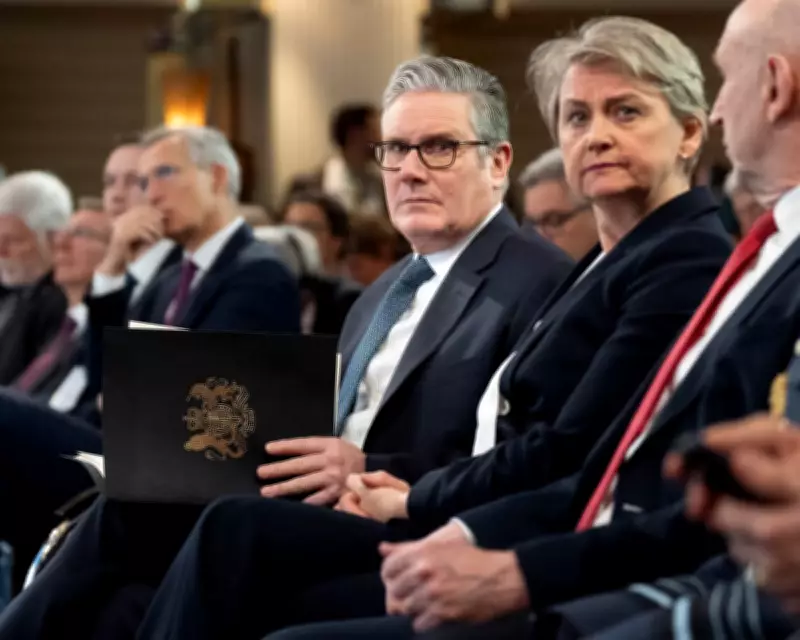
In a move that has raised eyebrows across the political spectrum, the Labour government, led by Keir Starmer, has embarked on a sweeping reorganisation of English local councils. Initiated by Angela Rayner in December 2024, this plan merges districts into county councils, creating unitary authorities in some regions and combining neighbouring councils in others. Despite promises of "ambitious reforms" from Local Government Secretary Steve Reed, the initiative has faced fierce criticism for its timing and perceived lack of purpose.
Questionable Timing and Lack of Public Demand
What makes this reorganisation particularly perplexing is its launch amidst a backdrop of severe national challenges. Labour inherited a country grappling with overflowing prisons, court backlogs rivaling NHS waiting lists, child destitution, and a strained National Grid. With councils teetering on the brink of bankruptcy due to soaring social care and special educational needs costs, many question why this reform was prioritised. Notably, it was absent from Labour's manifesto and only gained attention after legal challenges over delayed local elections in 30 areas.
Public interest in local government is historically low, with council election turnout averaging 30.8% in 2024. This reform risks alienating voters further, as it merges towns like Oxford, Cambridge, and Norwich into larger counties with opposing political leanings, potentially diluting their distinct civic identities. Interestingly, neither the Conservatives nor Reform UK objected to the plan itself, suggesting it may inadvertently benefit their electoral prospects.

Evidence and Efficiency Under Scrutiny
Experts cast doubt on the purported benefits of this shake-up. Tony Travers, a local government specialist at the London School of Economics, notes there is no clear evidence that unitary councils outperform two-tier systems. House of Commons research echoes this, indicating uncertainty over whether such reforms save money. The reorganisation's vast costs, including employee disruptions and administrative upheaval, are often overlooked in efficiency claims.
Rayner's initial proposal boasted of "fewer politicians," a stance that contradicts devolution and localism principles. In a democracy where party membership is dwindling, councillors serve as crucial community anchors. Their numbers have already plummeted from 75,000 in 1965 to a projected 11,000 post-reform, increasing pressure on those remaining to represent larger populations.
Political Consequences and a Lesson in Governance
This reform has handed Nigel Farage and Reform UK a significant victory. By challenging the delayed elections, Farage positioned himself as a defender of democracy, gaining political traction. Labour's focus on council borders appears as a distraction from more pressing issues, such as council tax reform and a national care service. The episode underscores the dangers of implementing major changes without public demand or thorough review, such as through royal commissions.
Ultimately, Labour's council reorganisation highlights a misstep in prioritisation, risking local democracy and providing ammunition to opponents. As the government faces intractable problems, this move serves as a cautionary tale about the perils of unnecessary bureaucratic overhauls.