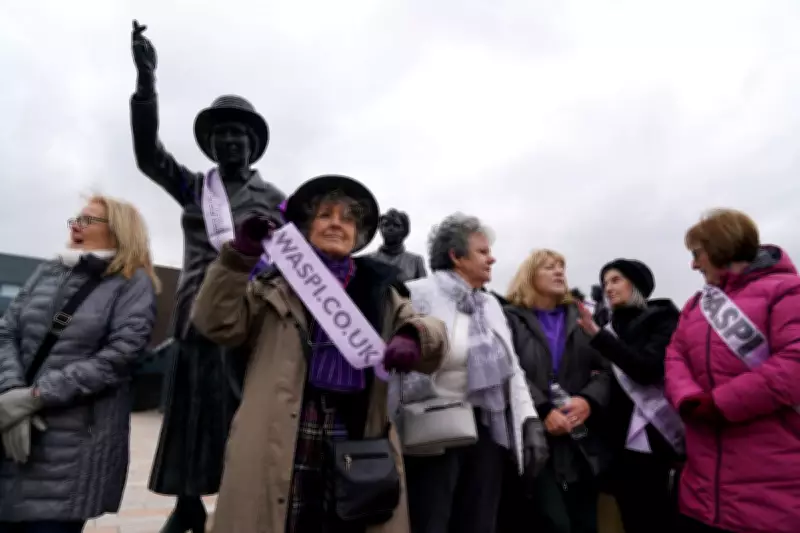
Labour's Pension Betrayal: Waspi Women Face Yet Another Devastating U-Turn
In a move that has sparked outrage and disappointment, the government has delivered yet another stinging betrayal to the Women Against State Pension Inequality campaign. The decision to deny justice to millions of women born in the 1950s represents both a profound moral failure and a staggering display of political inconstancy that has left campaigners reeling.
The Substance of the Decision
The government's refusal to provide compensation to Waspi women is neither morally defensible nor legally sound. The scale of financial and emotional damage inflicted upon these women, who have effectively been robbed of a significant portion of their state pension, is both wide-ranging and grievous. As many as 3.8 million individuals have suffered substantial blows to their standard of living, with some experiencing adverse health consequences that make the full costs truly incalculable.
Work and Pensions Secretary Pat McFadden has become merely the latest minister to do the wrong thing for the wrong reasons, following in the footsteps of Conservative predecessors who were equally dismissive of the women's plight. While Mr McFadden presented arguments about affordability and bureaucratic challenges in determining whether proper notification was given about pension age changes, these justifications ring hollow against the overwhelming evidence of injustice.

The Parliamentary Ombudsman's Findings
The government's position directly contradicts the comprehensive findings of the Parliamentary and Health Service Ombudsman, which ruled as early as 2021 that the British state was guilty of maladministration. The PHSO determined that officials had ignored their own research showing women were unaware of pension age changes and had failed to write to affected individuals in a timely manner.
Unlike Mr McFadden, the ombudsman serves as an independent adjudicator who conducted patient research and careful sifting of evidence before reaching conclusions. The PHSO's recommendations for compensation were relatively modest, ranging from £1,000 to £2,950 per woman, which would cost the Exchequer up to £10 billion in aggregate, though possibly much less depending on claim patterns.
Labour's Dizzying Inconstancy
What makes this situation particularly galling is Labour's bewildering series of policy reversals on this critical issue. While in opposition, the party gave strong impressions that Waspi women would receive help and justice. Following their election victory in December 2024, Labour performed an immediate U-turn, declaring there would be no money available beyond a simple apology.
The political zigzagging continued in November 2025, when reports emerged that the government might pay compensation after all under threat of legal action, representing a U-turn on the previous U-turn. Now the policy has reversed course yet again, demonstrating a staggering disregard for millions of women who are owed what they have worked for throughout their lives.
The Human Cost of Political Failure
This pattern of raising and dashing hopes in an almost callous manner represents no way to treat people who have endured significant hardship. Many Waspi women gave up work and made retirement provisions based on incorrect assumptions about their state pension eligibility, suffering devastating financial consequences as a result.
The situation bears uncomfortable parallels to other national scandals such as the infected blood and Post Office Horizon cases, though compensation for those injustices has also been delayed. It appears that Waspi women have been placed at the back of the queue as the public finances crisis became acute, with successive governments finding excuses to avoid their financial obligations.
Political Fallout and Future Prospects
This is certainly not the end of the matter, with disquiet once again brewing within the parliamentary Labour Party about this display of incompetence and inconsistency. As a shrewd political operator, Mr McFadden presumably gauged opinion among his colleagues before delivering this latest disappointing news, but frustration continues to mount.

If frustrated Labour MPs seek to punish the government for recent internal decisions, another visit to the dispatch box and yet another policy reversal may well be in the offing. What remains clear is that the Waspi women's campaign for justice will continue, driven by the fundamental unfairness of their treatment and the government's failure to honour its moral and legal obligations to citizens who have contributed to society throughout their working lives.