Labour's Growing List of Policy Reversals Under Starmer's Leadership
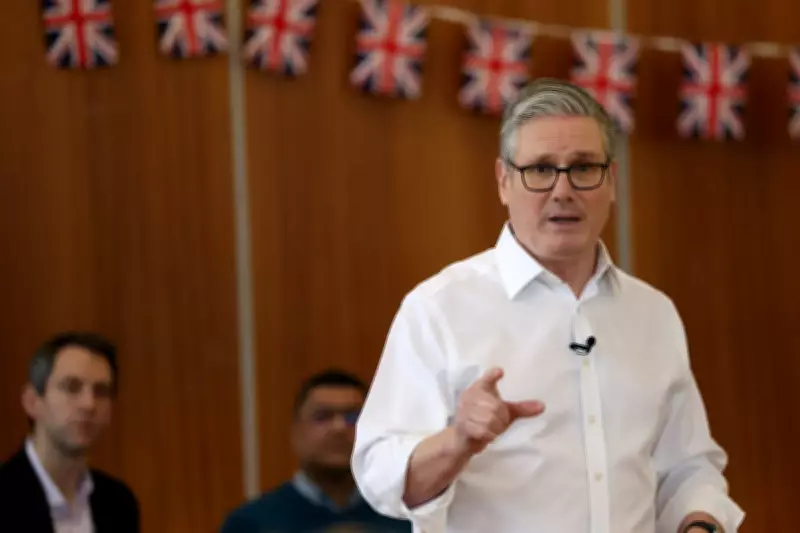
The Labour government has abandoned plans to postpone local elections for dozens of councils scheduled for May, marking the latest in a string of humiliating U-turns for Prime Minister Sir Keir Starmer. Since taking office after the 2024 election, Starmer's administration has been characterised by numerous rowbacks and climbdowns on key policies, ranging from benefits reforms to controversial tax measures.
Local Elections Postponement Scrapped
Last year, Labour announced intentions to delay some local elections in 2026, citing concerns about resource shortages across certain councils. Authorities had argued that the costs of holding elections combined with the demands of local government reorganisation necessitated a postponement. However, on Monday, the government dropped plans to delay elections affecting more than 4.5 million people across approximately 30 councils after receiving legal advice warning against the move.
This reversal follows legal action launched by Reform UK, with sources indicating that the new legal advice related to a challenge scheduled for court next month. Nigel Farage claimed victory for his party, stating on social media that "We took this Labour government to court and won. In collusion with the Tories, Keir Starmer tried to stop 4.6 million people voting on May 7th. Only Reform UK fights for democracy."

Digital ID Mandate Abandoned
In September, the prime minister announced the introduction of a "Brit card" digital identification system designed to verify individuals' right to live and work in the UK, modelled on Estonia's approach. The digital ID, intended for smartphone download, aimed to make it harder for those without proper documentation to find employment.
Now, a government source reveals that the compulsory element of the scheme has been halted, explaining that "Stepping back from mandatory-use cases will deflate one of the main points of contention. We do not want to risk there being cases of some 65-year-old in a rural area being barred from working because he hasn't installed the ID."
Agricultural Tax Threshold Increased
After months of pressure from farmers, Sir Keir watered down plans to tax inherited farmland. Chancellor Rachel Reeves had announced that farmers would be charged 20 percent on agricultural assets above £1 million from April 2026, triggering significant backlash with fears that family-run farms would be disproportionately affected.
Last month, Labour raised the threshold from £1 million to £2.5 million, meaning most farms would avoid the tax entirely. This climbdown followed crunch talks between National Farmers' Union president Tom Bradshaw and the prime minister in December, after a year of protests against the measures.
Benefits and Tax Policy Reversals
The government has executed several significant U-turns on social security and taxation policies. Sir Keir suffered a major blow to his leadership when forced to abandon a key element of controversial benefit cuts in July, dropping plans to restrict eligibility for personal independence payments just 90 minutes before parliamentary voting began.
Additionally, after months of ruling out changes, the prime minister announced in May that more pensioners would become eligible for winter fuel payments, expanding eligibility from 1.5 million to 9 million recipients. In her Budget, Chancellor Rachel Reeves announced an end to the two-child benefit cap following intense pressure from backbenchers and campaign groups, despite previously enforcing the whip on Labour MPs who voted against the measure in 2024.
Workers' Rights and Business Measures Modified
The government has also backtracked on its flagship manifesto promise to protect workers from unfair dismissal from their first day of employment. Labour had supported a package of "basic rights" including parental leave, sick pay, and dismissal protection under the Employment Rights Bill, but conceded to a six-month qualifier period instead of immediate protection after the legislation struggled in the Lords amid concerns about impacts on small businesses.

Rachel Reeves is planning another reversal on plans to scrap business rate relief for pubs following backlash from the hospitality sector and Labour MPs. The chancellor had announced a cut in rates but planned to end temporary COVID relief, which would have resulted in significantly higher bills for establishments.
Other Notable Policy Reversals
Hillsborough Law: The government pulled an amendment to its Hillsborough Law amid concerns that intelligence agencies could use it to avoid being bound by the proposed duty of candour. The entire bill has been held up over this issue after months of negotiations.
Income Tax: Ahead of the Budget, the chancellor decided against hiking income tax despite two weeks of clear signals that she was poised to break the party's manifesto pledge not to do so.
National Insurance: Labour's pre-election manifesto promised not to increase national insurance, but Sir Keir and Chancellor Reeves used ambiguity around whether they meant employer or employee contributions to implement a 2 percent increase to employer national insurance contributions.
Grooming Gangs Inquiry: After months of brushing off calls for a national inquiry with statutory powers into grooming gangs, Sir Keir in June accepted the recommendation of Baroness Casey to hold an inquiry.
WASPI Women: Despite previously calling the state pension age changes "a real injustice" that needed addressing, the government initially told Women Against State Pension Inequality they would not receive compensation, though later announced it would revisit this decision.
These numerous policy reversals have raised questions about the government's direction and consistency, with critics accusing Labour of failing to deliver on key promises made during the election campaign and early in their term.