Coalition Leader Sussan Ley Confronts Shadow Cabinet Crisis After Floor Crossing
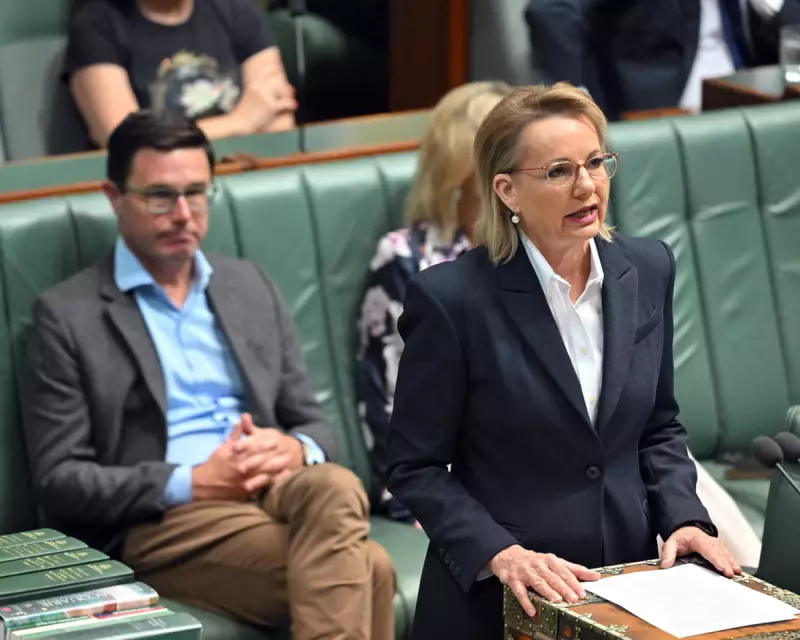
The political future of three Nationals frontbenchers now rests in the hands of Opposition Leader Sussan Ley, following their dramatic decision to cross the floor and vote against Labor's contentious hate speech legislation. Ross Cadell, Bridget McKenzie, and Susan McDonald have openly breached established shadow cabinet solidarity rules, creating a significant challenge to the authority of both Ley and Nationals leader David Littleproud.
Shadow Cabinet Solidarity Rules Breached in Late-Night Vote
Convention within Australian parliamentary politics clearly dictates that frontbenchers must either vote in line with shadow cabinet decisions or resign from their positions. Guardian Australia understands that both Cadell and McKenzie have indicated their willingness to offer their resignations, though it remains uncertain whether Ley and Littleproud will accept them. The situation regarding McDonald's position appears less clearly defined at this stage.
The legislation at the centre of this controversy, which passed the Senate by 38 to 22 votes after 11pm, grants the government authority to designate organisations as "hate groups." It provides the home affairs minister with expanded grounds to cancel or reject visas while introducing stricter penalties for religious and spiritual leaders who promote violence.

Nationals Party Room Meets Amid Growing Tensions
The Nationals convened another party room meeting on Wednesday morning, with sources describing the atmosphere as focused on "pastoral care" amid considerable anger directed toward the three frontbenchers and backbencher Matt Canavan, who also voted against the bill. Unlike his frontbench colleagues, Canavan operates under different rules as a backbench MP and isn't bound by the same shadow cabinet solidarity requirements.
Simultaneously, the Liberal leadership group including Ley and her senate leaders Anne Ruston and Michaelia Cash engaged in crisis talks. Guardian Australia has learned that the prevailing view emerging from these discussions suggests the responsibility lies with McKenzie, Cadell, and McDonald to explain their positions rather than with Ley or Littleproud to determine their fates.
Frontbenchers Express Willingness to Accept Consequences
Cadell has publicly stated his readiness to return to the backbench if requested by Ley, while simultaneously defending his decision to cross the floor. "If I am still a member of the shadow cabinet next week, it is because of the understanding, the tolerance and the leadership of Sussan Ley," Cadell remarked. He added, "I understand if you do the crime, you have to take the time, and if it is so requested, I will be stepping down from shadow cabinet. I am willing to take my medicine."
McKenzie has been more circumspect about whether she would formally tender her resignation, telling Sky News she would "be doing what I've always done is trying to do my very best to conduct my career here with integrity."
Coalition Colleagues Express Disappointment
Liberal frontbencher Dave Sharma voiced his disappointment with the Nationals' rebellion, telling Channel Nine, "I was disappointed to see that. And it didn't reflect the understandings that had been reached. From my perspective it's important that we helped the government pass these important laws to allow us to take tougher action against people inciting hatred."
This incident represents the latest challenge to Coalition unity following a brief split after the May election, when the National party attempted to pressure Ley into adopting nuclear policy, a regional future fund, and supermarket breakup powers as part of the Coalition's policy platform. The two leaders returned to negotiations within 48 hours, with the Coalition reuniting one week later.
The current situation places Sussan Ley in a delicate position as she balances maintaining party discipline with managing internal Coalition relationships, all while navigating the complex politics surrounding hate speech legislation that has divided parliamentary opinion.