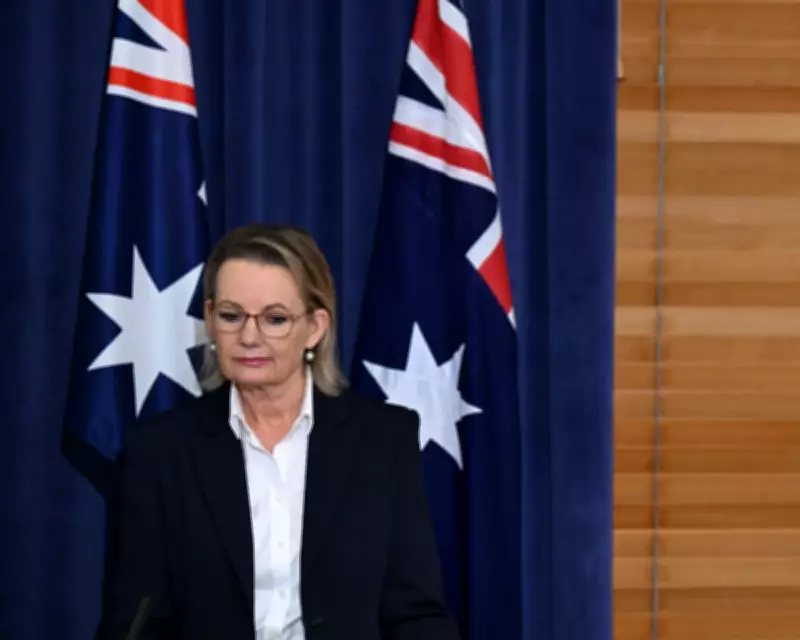
Internal sources within the Liberal Party have revealed that recent concessions made by MP Leys in an effort to reunite the coalition may have backfired, potentially tipping several MPs into the camp of rival Taylor ahead of an expected leadership spill. The move, intended to mend fractures within the party, appears to have had unintended consequences, sparking further division and speculation about the upcoming vote.
Concessions Aimed at Unity
Leys, a prominent figure in the Liberal ranks, reportedly offered a series of policy and procedural concessions to bridge gaps between factions and strengthen the coalition. These included compromises on key legislative issues and promises of greater influence for dissenting voices within the party structure. The goal was to present a united front and stabilise leadership ahead of critical political challenges.
Unintended Shift in Allegiances
However, insiders suggest that these concessions may have alienated some MPs, who viewed them as a sign of weakness or a departure from core party principles. This perception is believed to have driven a number of previously undecided or loyal members towards Taylor's camp, which has been positioning itself as a more steadfast alternative. The shift in allegiances has heightened tensions and increased the likelihood of a leadership spill in the near future.

Implications for Coalition Stability
The potential fallout from this development could have significant implications for the coalition's stability and effectiveness. If MPs defect to Taylor's side, it may undermine Leys' authority and complicate efforts to maintain cohesion. Observers note that such internal strife often leads to public scrutiny and could impact the party's performance in upcoming elections or policy debates.
As the situation unfolds, party members are closely monitoring the dynamics, with many calling for transparency and strategic reassessment to prevent further fragmentation. The expected leadership spill now looms as a critical test of the Liberals' ability to navigate internal conflicts and present a coherent vision to the electorate.