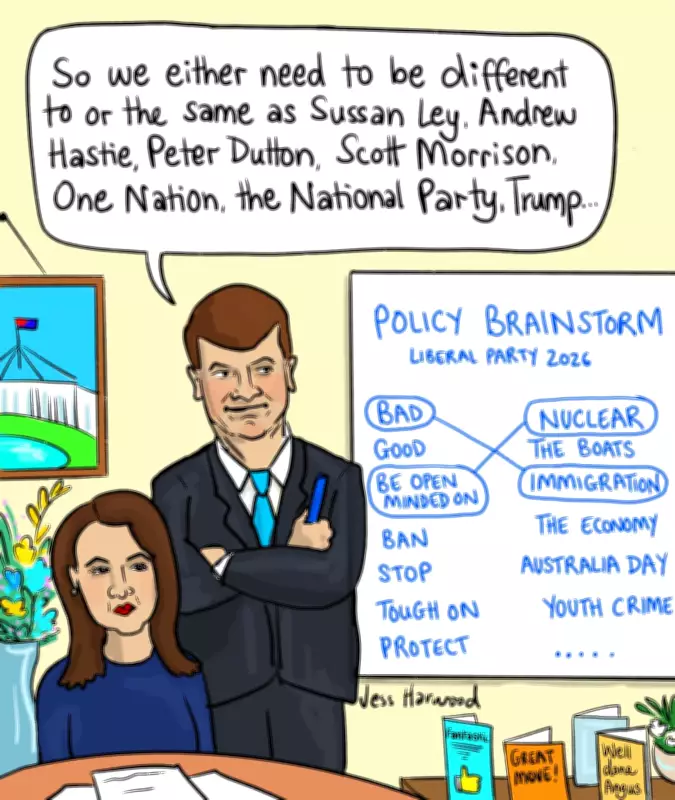
Liberal Party's Strategic Crossroads Under Angus Taylor
The Liberal Party finds itself at a pivotal juncture as Angus Taylor assumes leadership, with intense speculation surrounding the political direction he will chart for the future. This transition marks a critical moment for the party, as it navigates a complex landscape of evolving voter expectations and internal ideological debates.
Balancing Tradition and Innovation
Under Taylor's stewardship, the Liberal Party must carefully balance its longstanding conservative principles with the demands of a rapidly changing society. Key policy areas such as economic management, social issues, and environmental concerns are likely to be focal points, requiring a nuanced approach that respects the party's heritage while embracing necessary adaptations.
Observers note that Taylor's background and previous political stances will significantly influence this balancing act, potentially shaping the party's appeal to both its traditional base and broader electorate segments.

Internal Dynamics and External Pressures
The leadership shift comes amid heightened internal dynamics within the Liberal Party, with various factions vying for influence over its strategic direction. Simultaneously, external pressures from political opponents, media scrutiny, and public opinion add layers of complexity to Taylor's decision-making process.
This environment necessitates a cohesive vision that can unite party members while effectively communicating a clear and compelling message to voters across the nation.
Potential Pathways Forward
As Taylor outlines his leadership agenda, several potential pathways emerge for the Liberal Party:
- Economic Focus: Prioritising fiscal responsibility, tax reform, and business-friendly policies to strengthen the party's reputation as a competent economic manager.
- Social Modernisation: Gradually updating stances on social issues to align with contemporary values, without alienating core supporters.
- Coalition Building: Forging alliances with minor parties and interest groups to expand the party's electoral reach and policy influence.
- Communication Strategy: Revamping messaging and engagement tactics to better connect with diverse demographics, particularly younger voters.
The chosen direction will not only define Taylor's legacy but also determine the Liberal Party's competitiveness in upcoming electoral contests and its long-term relevance in the political arena.