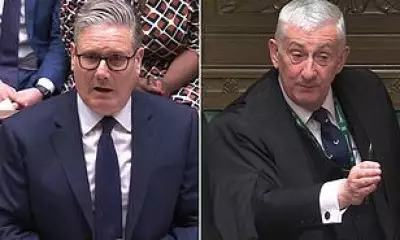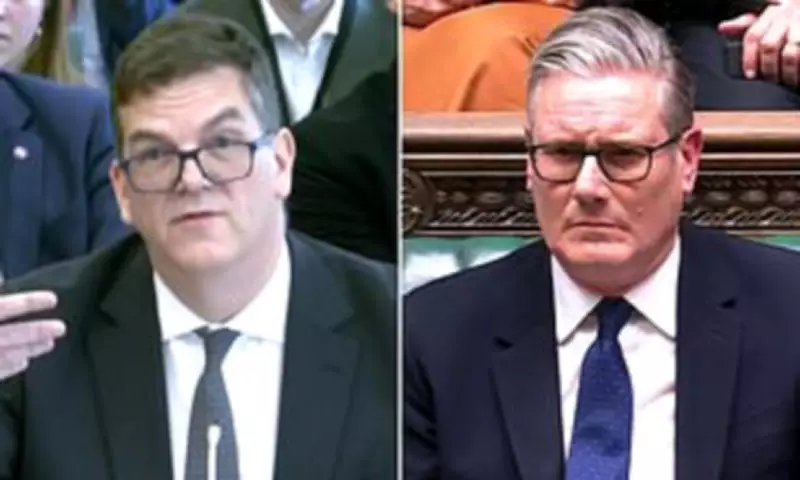
In a dramatic parliamentary hearing, Sir Olly Robbins, the former top civil servant at the Foreign Office, delivered explosive testimony revealing intense pressure from Downing Street to approve Peter Mandelson's security vetting for the role of US ambassador. Sir Olly, who was sacked by Prime Minister Keir Starmer over the handling of the vetting process, spent two-and-a-half hours before the foreign affairs committee detailing a climate of urgency and disregard for standard protocols.
Pressure to Fast-Track Mandelson's Appointment
Sir Olly Robbins assumed his position as permanent under-secretary at the Foreign Office on January 8, 2025, just one month after Mandelson's appointment had been publicly announced by Sir Keir Starmer. He described walking into a situation where there was already a "very, very strong expectation" that Mandelson needed to be in Washington as quickly as possible, ahead of Donald Trump's presidential inauguration on January 20.
No 10 had instructed his predecessor to complete the vetting "at pace," and by the time Sir Olly took over, the appointment had already received formal approval from the King and the White House. Throughout January, Downing Street maintained an "atmosphere of constant chasing," repeatedly asking if the vetting had been delivered yet. Sir Olly noted a "pretty unmistakable feeling" that the message was not merely to expedite the process but to "get it done" without delay.

Downing Street's Dismissive Approach to Security Protocols
Sir Olly presented a damning letter to the committee, highlighting No 10's deep investment in securing Mandelson the prestigious diplomatic posting. The Government ignored the standard recommendation that security clearance should be obtained before announcing a political appointee. Astonishingly, the Cabinet Office even questioned whether developed vetting (DV) was necessary at all, citing Mandelson's status as a peer and Privy Counsellor.
According to Sir Olly, the vetting process only proceeded because the Foreign Office "put its foot down." This dismissive approach was further illustrated by the fact that Mandelson was already receiving highly classified briefings before the security checks were concluded, a clear breach of normal procedure.
Security Concerns Deemed 'Manageable'
At the heart of the scandal is Sir Olly's decision to grant Mandelson developed vetting clearance despite concerns raised by UK Security Vetting (UKSV) officials. He disputed No 10's claim that experts had refused to sign off and he had overruled them, a narrative that contributed to his dismissal.
Sir Olly revealed that he never saw a formal document where UKSV flagged "high concern" in a red box or recommended "clearance denied." Instead, on January 29, he received only an oral summary from the Foreign Office's head of security, Ian Collard, who assured him the risks were manageable. The concerns did not relate to Mandelson's association with the late paedophile Jeffrey Epstein, though Sir Olly declined to specify the exact issues discussed.
Confidentiality and the Aftermath of the Sacking
Despite the relentless pressure, Sir Olly claimed he did not inform No 10 immediately after approving the clearance, as he believed the decision should remain confidential within the vetting process. He was sacked after Downing Street discovered he had not disclosed the concerns over the subsequent year, as the Epstein scandal erupted and Mandelson was ultimately removed from his post.
Sir Olly insisted he was bound by confidentiality rules and expressed regret that the Prime Minister did not fully understand this necessity. He hinted at potential legal action over his dismissal, stating he is in "unknown territory" regarding his HR position and is "desperately sad" to have lost a job he loved.
Broader Implications and Revelations
In another damaging revelation, Sir Olly disclosed that No 10 had privately lobbied for Sir Keir Starmer's own spin doctor, Matthew Doyle—later disgraced over links to a paedophile—to be made an ambassador. He also acknowledged that scrapping Mandelson's appointment at the last minute would have damaged UK-US relations, potentially causing a diplomatic incident with the incoming Trump administration.

While Sir Olly did not regret granting the clearance based on the information he had, he criticised the Prime Minister for announcing the appointment before vetting was complete, despite known reputational risks. This testimony paints a picture of a government prioritising political expediency over rigorous security protocols, with Sir Olly Robbins caught in the crossfire.