MPs Sound Alarm Over DWP's New Bank Account Access Powers
Senior parliamentarians have raised significant concerns regarding what they describe as "draconian" new anti-fraud powers granted to the Department for Work and Pensions. These sweeping legislative changes, designed to clamp down on fraudulent claims and erroneous payments, grant unprecedented authority to government officials.
Expansive New Investigative Authority
The newly approved legislation empowers DWP investigators to conduct eligibility checks by examining the bank account information of individuals claiming specific benefits. Initially, these checks will target recipients of Universal Credit, Pension Credit, and Employment and Support Allowance to verify their eligibility for payments. The government has indicated these measures could potentially expand to encompass other benefit categories in the future.
More controversially, the legislation authorizes DWP officials to directly withdraw funds from individuals' bank accounts in cases where claimants owe money to the department and are refusing to settle their debts. These powers are specifically intended to target individuals who have accumulated debts while within the benefits system and have subsequently left it.

Committee Calls for Enhanced Safeguards
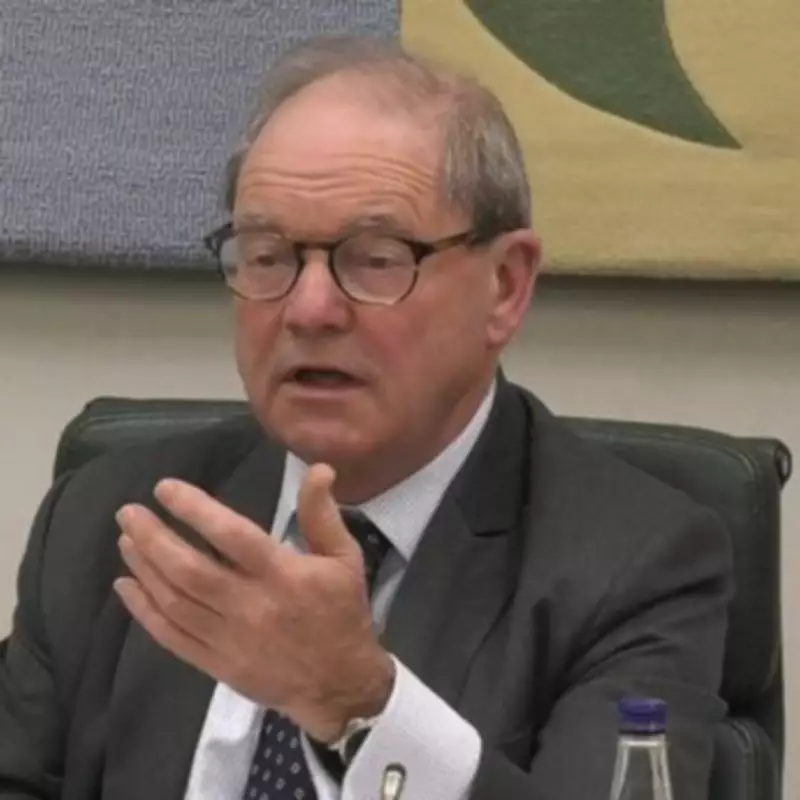
Geoffrey Clinton-Brown, Conservative MP and chair of the influential Public Accounts Committee, has voiced particular apprehension about these developments. "Being able to take money out of people's bank accounts without a court order, compelling banks and other financial institutions to provide information, represents significant additional powers for the DWP," Clinton-Brown stated.
The committee, which oversees public expenditure to ensure government departments spend funds wisely, is now demanding additional protective measures. While the legislation provides for an independent overseer to monitor power usage, MPs believe this oversight is insufficient.
Clinton-Brown highlighted recent DWP errors as justification for caution, citing the Carer's Allowance issue where 26,000 people received demands for overpayments due to departmental reporting failures. "That provides a clear example of where the DWP could make mistakes with these quite draconian new powers," he emphasized.
Demanding Annual Accountability Reports
The Public Accounts Committee has formally recommended that the DWP provide comprehensive annual reports detailing exactly how and where these anti-fraud powers have been deployed. "If we receive the slightest indication that these powers are being used unreasonably, we will initiate an investigation, summon officials, and demand they account for their actions," Clinton-Brown declared.
He provided a hypothetical scenario to illustrate the committee's vigilance: "Should the DWP begin targeting Universal Credit claimants for a specific issue, we would require absolute assurance that the application of this power was entirely reasonable in those circumstances."
Balancing Fraud Prevention with Protections
Despite his concerns, Clinton-Brown acknowledged that direct bank account deductions might be appropriate in certain extreme cases. "This involves taxpayers' money. If funds are being overpaid in one area, it creates pressure on resources that could otherwise enhance benefits elsewhere. The DWP has a responsibility to address these issues correctly," he explained.
He specifically referenced situations involving "serious, deliberate efforts to defraud the taxpayer" where repeated warnings had been ignored. However, he expressed deep sympathy for legitimate claimants who might feel anxious about these new authorities. "Claimants will understandably be worried. That's why the DWP must communicate with absolute clarity that these measures will only be employed in the most extreme circumstances, following multiple warnings."
Procedural Requirements and Technological Solutions
The legislation establishes specific procedural safeguards. Before making any direct deduction from a bank account, the DWP must obtain at least three months of bank statements to confirm available funds. Additionally, individuals must receive a minimum of 28 days' notice, providing opportunity to dispute the claim before any withdrawal occurs.

When questioned about alternative fraud prevention methods, Clinton-Brown suggested technological advancements could play a crucial role. "The latest technologies, including artificial intelligence, alongside improved data sharing between government departments, could significantly reduce fraud and error rates," he proposed. He noted that while the DWP collaborates effectively with HMRC on PAYE matters, opportunities exist for better coordination with local authorities and the Department for Education.
Government Defense of New Measures
DWP Minister Andrew Western defended the legislation when it was approved, stating: "As fraud against the public sector evolves, the government requires a robust and resolute response. The powers granted through this bill will enhance our ability to identify, prevent, and deter fraud and error, while improving recovery of taxpayer debt. A trustworthy benefits system remains essential for both claimants and taxpayers—this bill will deliver precisely that."
The debate continues as parliamentarians seek to balance effective fraud prevention with essential protections for vulnerable benefit recipients, ensuring these powerful new tools are deployed with appropriate restraint and oversight.