MPs Vote Down Proposed Social Media Ban for Under-16s
Members of Parliament have decisively rejected a proposed social media ban for children under the age of sixteen, despite widespread calls to enhance online safety by restricting young people's access to popular platforms. The Labour government instructed its MPs to block the bill, which had garnered backing from the Conservatives, the Liberal Democrats, and peers in the House of Lords.
Amendment Would Have Forced Tech Giants to Act
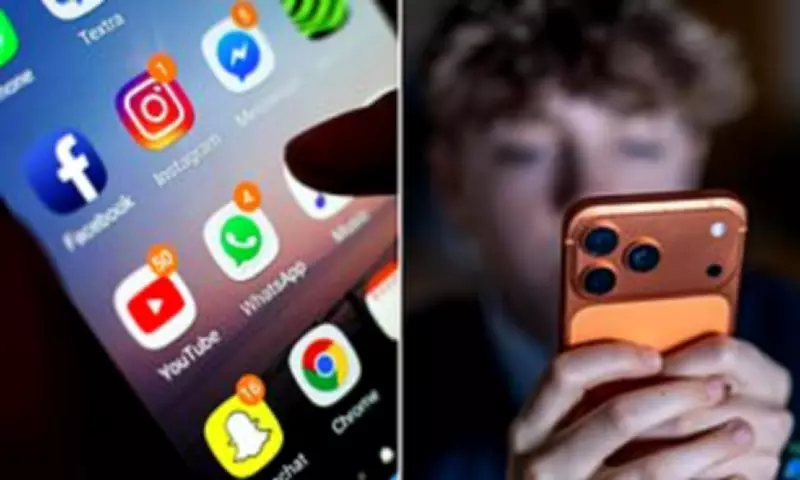
If passed, the amendment to the Children's Wellbeing and Schools Bill would have compelled technology giants to implement stringent measures preventing under-16s from accessing a designated list of social media applications, including Instagram and Facebook. Supporters of this Australian-style prohibition argued that parents currently find themselves in an impossible situation, grappling with the online harms their children are increasingly exposed to.
However, opponents, including the children's charity NSPCC, cautioned that such a blanket ban might inadvertently push teenagers towards unregulated and potentially more dangerous corners of the internet. Following a Labour whip instructing MPs to support an alternative government proposal, the Commons ultimately voted 307 to 173 against the change, which was originally brought forward by Conservative former minister Lord Nash.
Future Ban Remains a Possibility
Despite this setback, the door remains open for a potential ban in the future. The Commons supported a government initiative granting additional powers to the Secretary of State. Under the amendment in lieu, Science Secretary Liz Kendall could be empowered to restrict or outright ban children of specific ages from accessing social media services and chat bots.
Education Minister Olivia Bailey informed MPs that these powers could also extend to limiting children's use of virtual private networks (VPNs), restricting access to addictive features on platforms, and potentially altering the age of digital consent within the United Kingdom. Lord Nash described the Commons' decision as deeply disappointing and pledged to do everything possible to revive the amendment in the upper chamber.
Government Launches Consultation on Online Safety
As MPs deliberated the changes proposed by the Lords, Ms Bailey highlighted the complexity of the issue. She noted that while many parents and campaign groups advocate for an outright ban, children's charities have warned of the risks associated with driving young people towards less regulated online spaces. In response, the government launched a consultation last week to gather views on shaping future steps, aiming to ensure children develop a safer, healthier, and more enriching relationship with the digital world.
This consultation will examine whether social media platforms should enforce a minimum age requirement and whether features like autoplay, known for their addictive qualities, should be disabled for younger users. Education Committee Chairwoman Helen Hayes, Labour MP for Dulwich and West Norwood, expressed support for robust protective measures, including raising the age of digital consent and banning certain apps for under-16s, while acknowledging the importance of stakeholder consultation.
Rebellion and Abstentions Mark Vote
The vote saw notable dissent within Labour ranks. John McDonnell, MP for Hayes and Harlington, rebelled against the government by voting in favour of the Lords amendment. Meanwhile, 107 Labour MPs, including North Somerset's Sadik Al-Hassan, chose to abstain. Mr Al-Hassan, drawing on his background as a pharmacist, compared social media harms to regulated pharmaceuticals, arguing that evidence of significant harm demands decisive action.
Lord Nash criticised the Commons for gambling on a process that may lead to inadequate half-measures, lacking a fixed timeline or proper parliamentary scrutiny. He emphasised overwhelming demand from medical professionals, intelligence communities, police officers, teachers, and parents to raise the age limit and protect children from the catastrophic harms of social media.
Broader Implications of the Bill
The Children's Wellbeing and Schools Bill will now return to the House of Lords for further consideration by peers. It will only become law if both Houses agree on the final draft. Beyond the social media debate, the legislation includes provisions requiring local councils to assess a child's home environment within fifteen days of them being listed on a register of children not in school. This measure forms part of the government's response to the tragic murder of ten-year-old Sara Sharif in 2023.
Additionally, Ms Bailey confirmed that Benedict's law, which aims to strengthen allergy safety guidance in schools, will be enacted. The ongoing discussions underscore the delicate balance between protecting children online and avoiding unintended consequences, as policymakers navigate the evolving digital landscape.