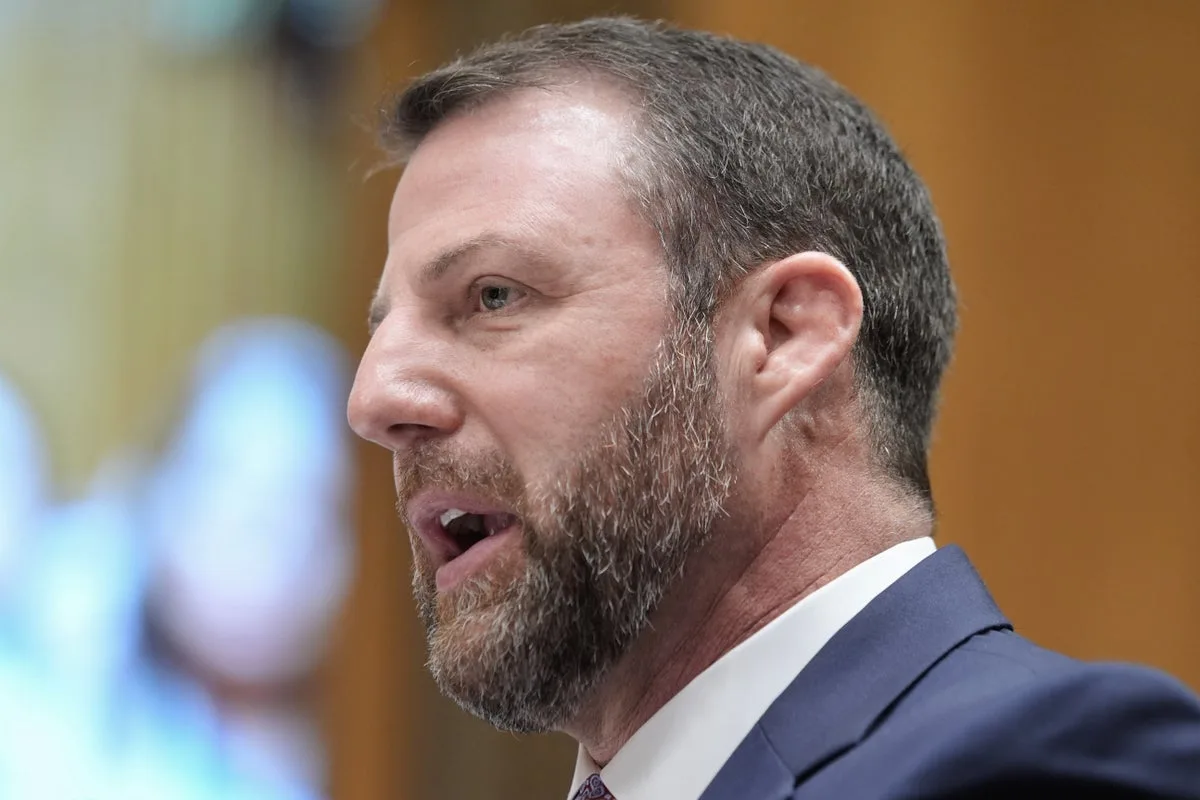
Mullin Presents Different Vision for FEMA, Sparking Cautious Hope
President Donald Trump's nominee to lead the Department of Homeland Security, Markwayne Mullin, presented a notably softer approach to federal emergency management during his Senate confirmation hearing on Wednesday. The Oklahoma senator rejected the idea of eliminating the Federal Emergency Management Agency and pledged to undo some unpopular policies implemented by his predecessor, Kristi Noem.
A Shift from Previous Administration Stance
Mullin's remarks raised hopes among disaster response managers that a significant shift is coming in the administration's approach to FEMA after months of turbulence under outgoing Secretary Noem. "It's got a great mission, and I think people at FEMA want to do their job," Mullin told fellow Oklahoma Senator James Lankford during the hearing.
Despite his mostly conciliatory tone regarding federal disaster response, it remains unclear what specific reforms Mullin would actually champion or how he would lead if confirmed. Mullin's loyalty to President Trump adds complexity, given Trump's inconsistent messaging on FEMA, including repeated suggestions about phasing out the agency and pushing more disaster responsibilities to states.
Promised Reforms and Policy Changes
Mullin outlined several areas for potential improvement, emphasizing reforms to make the agency more effective, accelerate payments to state and local jurisdictions, and better serve rural communities. "Taking years to get reimbursed is not acceptable," Mullin stated. "Taking, honestly, months to get reimbursed is not acceptable."
In exchanges with Democratic Senator Andy Kim of New Jersey, Mullin committed to revoking Noem's directive requiring personal approval for expenditures over $100,000—a rule that had infuriated lawmakers from both parties who argued it compromised disaster response and recovery. "I'm not a micromanager," Mullin declared.
Context of Recent FEMA Turbulence
Mullin's comments come less than a year after FEMA's then-acting leader, Cameron Hamilton, was fired following a House committee hearing where he defended the agency against elimination proposals. Throughout Noem's tenure, FEMA experienced significant upheaval, including staff reductions, program cuts, and delays to disaster declarations and spending.
The release of a highly anticipated report from the Trump-appointed FEMA Review Council—meant to outline recommendations for overhauling the agency—is months late, keeping states and other stakeholders in suspense about future federal disaster support.
Reactions from Former FEMA Officials
Former FEMA administrators expressed cautious optimism about Mullin's comments. Deanne Criswell, FEMA administrator under President Joe Biden, noted, "He gets the importance of FEMA and while there is definitely room for improvement, he understands the partnership with FEMA is essential."
Pete Gaynor, FEMA administrator during Trump's first term, described Mullin's remarks as "an impressive and meaningful first step forward."
Unanswered Questions and Skepticism
Despite the hopeful tone, Mullin stopped short of addressing several critical issues. He did not directly commit to reinstating FEMA employees placed on leave after signing an August public letter of dissent opposing policies they believed weakened the agency, though he told Kim that retaliating against whistleblowers was against the law.
Amanda Devecka-Renear, executive director of the New Jersey Organizing Project, which advocates for Hurricane Sandy survivors, expressed skepticism. "Disaster survivors have been misled by hollow rhetoric before, and will be watching closely if Sen. Mullin is confirmed by the Senate to see if his actions match his words," she said.
Legislative Challenges and Future Directions
Mullin acknowledged that meaningful FEMA reforms would require legislative action, telling Kim, "I'm pretty sure that you guys set the policies and mission for FEMA, so for any serious changes, it may take actually policy changes." FEMA's mission and responsibilities are outlined in the 1988 Stafford Act and subsequent laws, making many process changes dependent on congressional approval.
It remains uncertain whether Mullin would embrace reform ideas floated by Trump, Noem, and the FEMA Review Council, such as providing states with block grants instead of reimbursements or revising thresholds for major disaster declarations. Disaster experts warn such changes could reduce funding to states, tribes, and territories, forcing difficult budget tradeoffs.
Mullin also revealed he is already considering potential nominees for a permanent FEMA administrator—a position that has seen three temporary leaders under Trump without a permanent nomination.