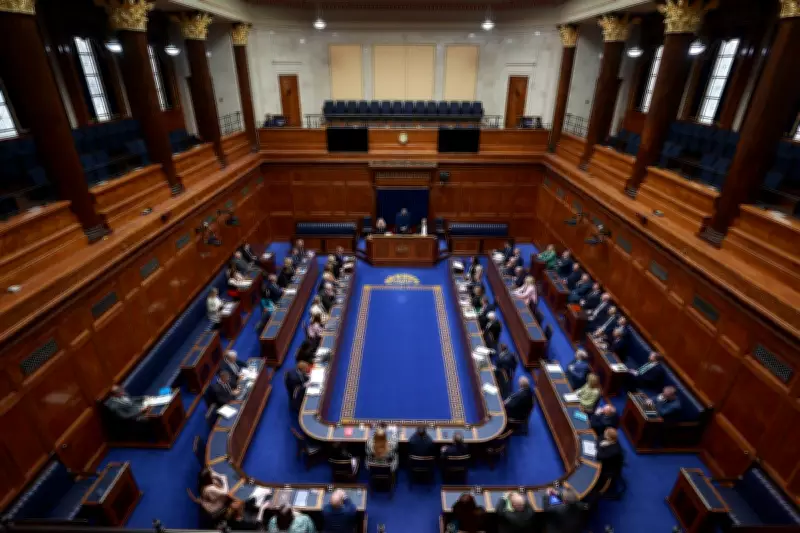
Northern Ireland Assembly Members Recommended for Significant Pay Increase
The Independent Remuneration Board has put forward a draft determination proposing a substantial pay rise for Members of the Legislative Assembly (MLAs) in Northern Ireland. The recommendation suggests increasing their annual salaries from £53,000 to £67,200, representing a notable uplift of £14,000 or 26.8%. This adjustment is scheduled to take effect from April 1, 2026, pending consultation and final approval.
Comparative Analysis with Other Elected Representatives
Currently, MLA salaries are considerably lower than those of their counterparts in other devolved administrations and national parliaments. For instance, Members of the Scottish Parliament receive £74,507 per year, while Welsh Assembly Members earn £76,380. At the Westminster level, MPs are paid £93,904 annually, and Members of the Irish Parliament in Dublin receive approximately £102,369 (117,113 euros). This disparity has been a key factor in the board's deliberations.
Board chairman Alan Lowry emphasised that the proposal aims to fairly reflect the complexity and importance of MLA roles. "Our MLAs are elected to demanding positions, performing crucial work in constituencies and at Parliament Buildings," he stated. "They engage in legislative decisions, hold ministers and departments accountable, and participate in scrutiny committees. It is vital that this work, along with representing constituents, is appropriately recognised and valued."

Accountability Measures for Government Stability
In a move to address public frustration over recent collapses in devolved government, the board has introduced significant financial sanctions tied to political stability. If an Executive is not formed following an election, or if the offices of First Minister and deputy First Minister become vacant at any time, MLAs would face salary reductions.
- A 10% cut to MLA salaries would be applied after six weeks without a functioning government.
- Further 10% reductions would occur at weeks 12 and 18, if no government is formed in line with the Northern Ireland Act 1998, which allows a six-month period for establishment.
This mechanism is designed to ensure accountability and incentivise timely government formation, reflecting the board's commitment to prudent public spending.
Historical Context and Future Expectations
Mr. Lowry highlighted that between 2016 and 2025, MLA pay increased by only 8%, significantly less than rises for other elected representatives. During the same period, MPs saw a 25% increase, while Members of the Welsh Senedd, Scottish Parliament, and Irish Dail experienced rises of 19%, 23%, and 34% respectively. The previous Independent Financial Review Panel last made a determination in 2016, indicating that the system for MLA remuneration has not functioned normally for nearly a decade.
"Today's announcement is a corrective measure," Mr. Lowry explained. "Without prejudicing future determinations, the board anticipates that subsequent adjustments will be considerably smaller and more aligned with inflationary trends and other pay movements of the time."
Consultation Process and Board Background
A two-week consultation on the proposals is now open, closing on March 5, 2026. Following this period, the board will present a final determination to the Assembly Commission for consideration. This draft marks the first action by the newly established Independent Remuneration Board, which was formed last year to replace the defunct Independent Financial Review Panel. The board is responsible for setting salaries and pensions for Stormont MLAs, operating independently of the Assembly and Assembly Commission to ensure impartiality.
Mr. Lowry reiterated the board's objectives: "We aim to provide MLAs with remuneration that does not deter anyone from seeking election on financial grounds, while ensuring public money is spent with probity, accountability, value for money, and transparency." The determination takes into account Northern Ireland's current financial circumstances, balancing fair compensation with fiscal responsibility.