Downing Street Declines to Commit to Immigration Overhaul After Rayner Criticism
The former deputy prime minister has stated that proposed changes to indefinite leave to remain for individuals already residing in Britain would constitute a 'breach of trust'. This criticism comes as Downing Street has refused to commit to the Home Secretary's plan to toughen the criteria for migrants seeking permanent residency.
Rayner's Strong Opposition to Proposed Changes
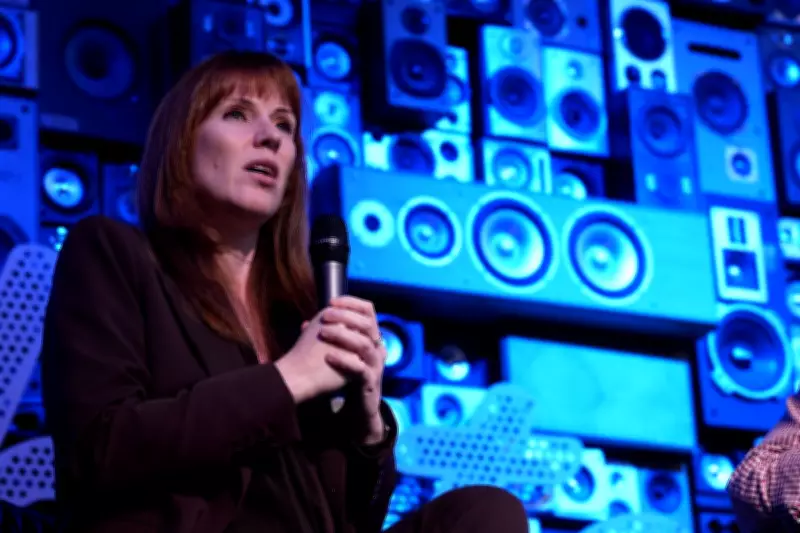
Angela Rayner, the MP for Ashton-under-Lyne, delivered a speech at an event organised by the campaign group Mainstream, where she strongly criticised the Government's immigration proposals. She described Shabana Mahmood's planned changes as 'un-British' and argued that altering the rules for those who came to the UK under specific understandings would 'pull the rug' from under them.
'That would be not just bad policy but a breach of trust. The people already in the system, who made a huge investment, now fear for their future, they do not have stability and do not know what will happen,' Rayner stated. She emphasised that 'We cannot talk about earning a settlement if we keep moving the goalposts, because moving the goalposts undermines our sense of fair play. It's un-British.'
Home Secretary's Proposed Reforms
The Home Secretary has announced significant plans to overhaul the immigration system, which include:
- Doubling the time required for migrants to qualify for permanent residence from five to ten years.
- Introducing a requirement for individuals to speak English to a higher standard to remain in the UK.
These measures are part of a broader consultation that has now closed, with ministers expected to respond in due course.
Downing Street's Response and Political Dynamics
When challenged about Rayner's remarks, No 10 appeared to signal a potential openness to modifying Mahmood's plans. The Prime Minister's political spokesman defended efforts to create a 'fair' immigration system while declining to pre-empt the Government's official response to the consultation.
'We're a proud, tolerant, generous country. Labour's always been the party that celebrates the contribution migrant communities have made to our national story,' the spokesman said. 'In the four years before the election we saw record levels of immigration. In the manifesto we promised to deliver a fair and properly managed immigration system. We are considering responses to the Home Office consultation, and will respond in line with our principles and values.'
The spokesman also addressed Rayner's broader criticism that the party has come to represent 'the establishment, not working people' and her call for a change of direction. He stated that Sir Keir Starmer 'shares an impatience' to deliver change and is 'firmly on the side of working people', highlighting progress in restoring economic stability and cutting NHS waiting lists.
Leadership Tensions and Future Implications
Despite the public disagreement, the spokesman noted that Sir Keir and Ms Rayner maintain a good working relationship, and 'he would like to see her return to the Cabinet'. However, he admitted he was not aware of any recent communication between them in the past week.
Rayner's resignation as housing secretary and deputy prime minister last year, following a controversy over stamp duty underpayment, has positioned her as a potential successor to Sir Keir. This comes amid declining poll ratings for Labour and the Prime Minister's personal approval, with rumblings of a possible leadership challenge.
The event at Mainstream also featured Tony Vaughan, who coordinated a letter signed by over 100 Labour parliamentarians urging the Government to reconsider its immigration proposals. The Home Secretary has maintained that Labour values guide the changes, asserting that firm but fair action is necessary to address immigration concerns.
As the Government deliberates on the consultation responses, the debate over immigration reform continues to highlight deep divisions within the Labour Party and the broader political landscape.