Northern Ireland Deputy First Minister Voices Apprehension Over Middle East Conflict
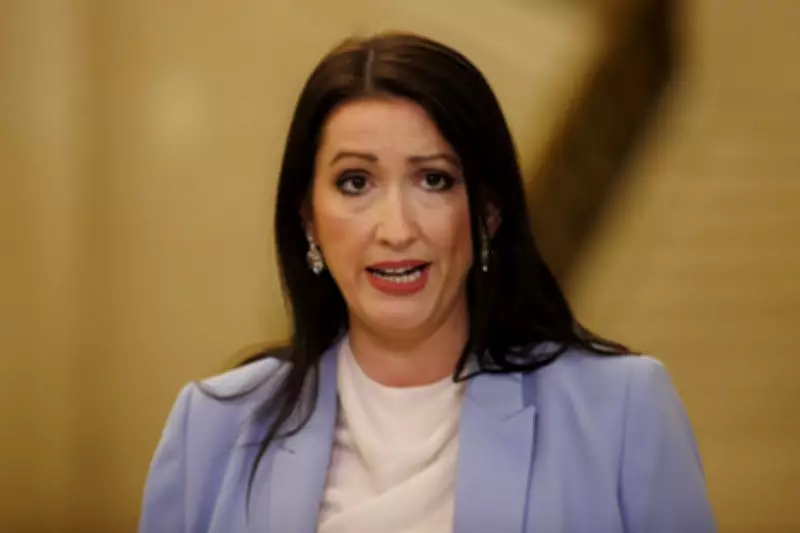
Deputy First Minister of Northern Ireland, Emma Little-Pengelly, has stated that many residents across the region are feeling deeply apprehensive about the escalating tensions in the Middle East. Her comments came immediately following a detailed security briefing she received from a UK Government adviser on Saturday, 28th February 2026.
Security Briefing Details and Regional Concerns
The briefing was convened in the wake of coordinated missile strikes by US and Israeli forces targeting Iran earlier that morning. Both nations described the action as a pre-emptive strike against a Tehran government they accuse of actively pursuing nuclear weapons development. This initial attack swiftly prompted retaliatory missile launches from Iran, with reports indicating targets in Israel and various other locations across the Middle East.
Emma Little-Pengelly expressed profound concern during her statement, highlighting the direct impact on Northern Irish citizens. "I know that many, many people will be really apprehensive about what is happening in Iran and across the Middle East," she said. She condemned the Iranian regime, labeling it "appalling" for creating regional instability and causing the deaths of thousands of its own citizens.

Her primary worry centered on the safety of Northern Ireland's diaspora in the region. "I know that there are many hundreds of people from Northern Ireland who are living and working in the Middle East, particularly in the UAE, and of course many others that are visiting the region as well," Little-Pengelly explained. "I know that there are a lot of people worried about their loved ones and families at the moment."
Cross-Administration Meeting and Calls for Government Action
The security briefing was a cross-administration event, also attended by the First Ministers of Scotland and Wales. Little-Pengelly described it as a crucial opportunity to raise pressing questions and seek assurances. "Also to try to push to ensure that the clear messages are coming out from the UK Government, clear advice to people who are in the region in terms of making sure that all of the support is there to keep people safe," she added, emphasizing the need for transparent guidance and robust support mechanisms for citizens abroad.
Political Pressure for Diplomatic De-escalation
Echoing these concerns, SDLP leader Claire Hanna voiced her "deep concern" over the deteriorating situation. She issued a direct call for the UK Government to adopt a proactive diplomatic stance. "The UK must urgently push for de-escalation, press for an immediate ceasefire, and work with international partners to prevent a wider war," Hanna stated firmly. "Diplomacy, not further military action, must be the focus."
The statements from both political figures underscore a growing anxiety within Northern Ireland regarding international conflict spillover and the safety of its citizens overseas. The incident has prompted renewed calls for the UK Government to prioritize diplomatic channels and provide unequivocal safety protocols for those affected by the Middle East hostilities.