One Nation's Poll Surge Fuels Anti-Immigration Rhetoric in Australian Politics
The rise of One Nation in national opinion polls, with primary votes reaching as high as 26%, has coincided with a significant increase in anti-immigration rhetoric, distorting policy and political debates across Australia. As the country approaches the next federal election, Pauline Hanson's party is emerging as a disruptive force, demanding mainstream recognition after nearly 30 years on the political scene.
Political Realignment and Major Party Responses
In the hallways of Parliament House, a realignment is underway. Following a challenging post-election period for the Liberals and Nationals, Angus Taylor has assumed leadership of the Coalition, injecting new energy into opposition efforts, particularly on economic issues. Meanwhile, Prime Minister Anthony Albanese, having surpassed John Curtin and Scott Morrison in tenure, continues to navigate a complex political landscape.
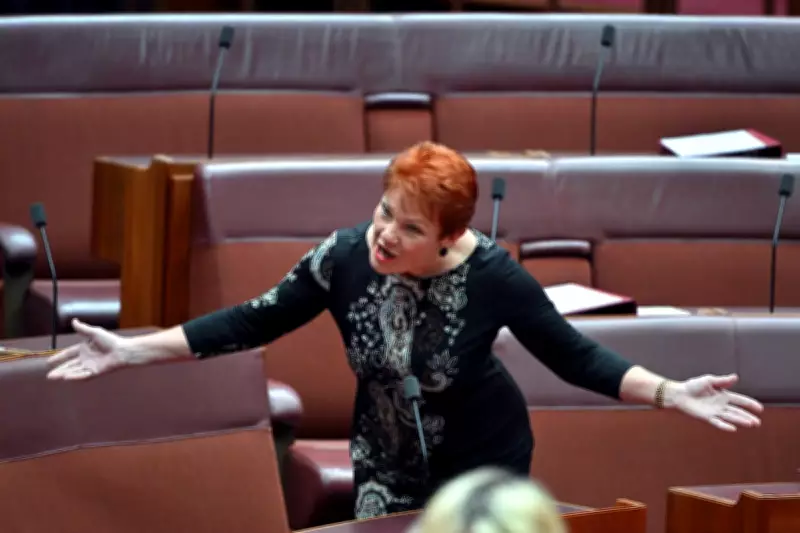
However, One Nation's influence is palpable. Hanson's recent racist comments about Australia's Islamic community, made during a Sky News appearance, sparked controversy. She questioned the existence of "good Muslims," refusing to apologise unless individuals disavowed sharia law or support for IS fighters. This rhetoric has drawn criticism from leaders like Albanese, who linked it to threats against Sydney's Lakemba mosque, and Jason Clare, who warned against following Hanson into a "racist rabbit hole."

Immigration Policy Distortions and Expert Analysis
One Nation's surge in polls is partly attributed to economic hardships faced by working Australians, but it also aligns with the party's escalating anti-immigration stance. James Ashby, a close adviser to Hanson, has advocated for policies such as blocking visas from up to 75 countries and pursuing "net zero migration," aiming to stabilise population growth.
The party's published immigration policy includes ten key points, calling for the deportation of 75,000 illegal migrants and reducing international arrivals by over 570,000. It also targets skilled visa rorting, student visa loopholes, and limits appeals in the Administrative Review Tribunal.
Immigration policy expert Abul Rizvi provides a forensic analysis of these proposals. He highlights the delayed release of the permanent migration program level, kept at 185,000 arrivals amid anti-immigration marches. Rizvi criticises One Nation's plans as "nonsense," noting the complexity and cost of deporting visa overstayers and challenging the party to specify which arrival categories would be cut. He dismisses the reintroduction of temporary protection visas as "complete crap," labelling the overall policy as thought bubbles from a racist group.
Impact on Major Parties and Future Implications
Labor has already begun cutting immigration, including reductions in international student numbers, while the Coalition, under Taylor, has started categorising migrants into "good" and "bad" groups. Taylor has also called for shutting the door to families of IS fighters in Syria, echoing Hanson's hardline stance. Leaked policy documents from Sussan Ley suggest the Coalition may further align with One Nation's preferences.
If One Nation's rise persists until the next election, major parties and the press gallery will need to adjust their approach to Hanson and her followers, including figures like Barnaby Joyce. Allowing Hanson to dictate immigration policy risks leading Australia down a dark and divisive path, emphasising the need for balanced and evidence-based debates in national politics.