Palestine Action Cases Postponed as Government Appeals Terrorism Ruling
A significant number of defendants scheduled to appear at Westminster Magistrates' Court on Monday have had their cases postponed following the government's decision to appeal a High Court ruling that declared the ban on Palestine Action unlawful and disproportionate. The Chief Magistrate confirmed the delay, which was implemented after Friday's judgment resulting from a legal challenge brought by the protest group.
Court Proceedings Adjourned Until April
Senior District Judge Paul Goldspring explained the court's rationale for the postponement, stating clearly: "In light of Friday's ruling we decided that there is no merit in hearing the cases until we know what is going on with the appeal." The cases will remain on hold until the appeal process is fully resolved, with the 31 cases involving defendants charged under section 13 of the Terrorism Act 2000 specifically adjourned until April 27.
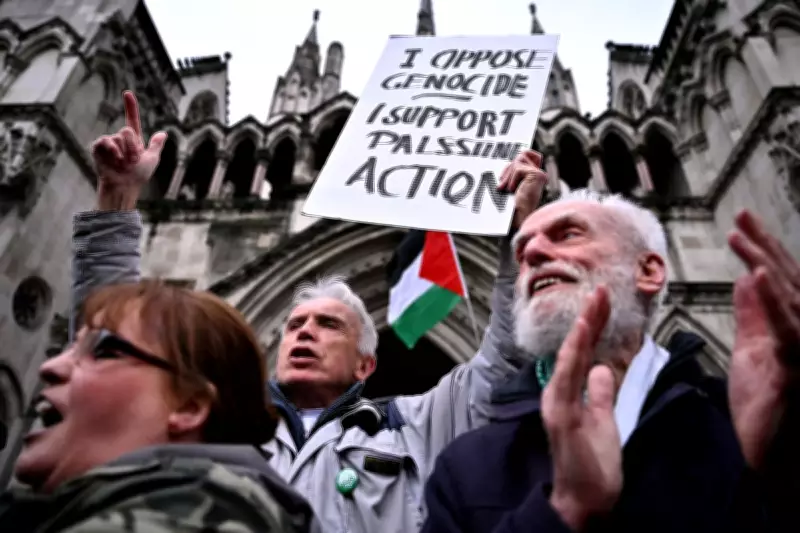
These defendants were accused of backing Palestine Action during protests that occurred after the group was proscribed as a terrorist organisation in July last year. Following the High Court's decision, they were advised not to attend their scheduled court appearances. Judge Goldspring further clarified that other defendants would be notified that they were not required to attend court until the appeal stage has concluded.

Ban Remains in Place During Appeal Process
Despite the High Court ruling, the Palestine Action ban remains in effect as Home Secretary Shabana Mahmood has confirmed her intention to appeal against the court's decision. The proscription makes it a criminal offence to belong to or support Palestine Action, with potential punishments of up to 14 years in prison for those found guilty.
The protest group Defend Our Juries has reported that more than 2,700 people have been arrested for displaying signs in support of Palestine Action since the ban came into force. Additionally, nearly 700 people have been charged with terrorism offences and have appeared in preliminary court proceedings, although no convictions have yet been secured in these cases.
This legal situation creates significant uncertainty for both defendants and prosecutors as they await the outcome of the government's appeal. The postponement affects dozens of cases that were scheduled to proceed through the judicial system, highlighting the complex interplay between protest rights, national security concerns, and legal definitions of terrorism in contemporary Britain.