Jonathan Powell Declines Offer to Become Keir Starmer's Chief of Staff
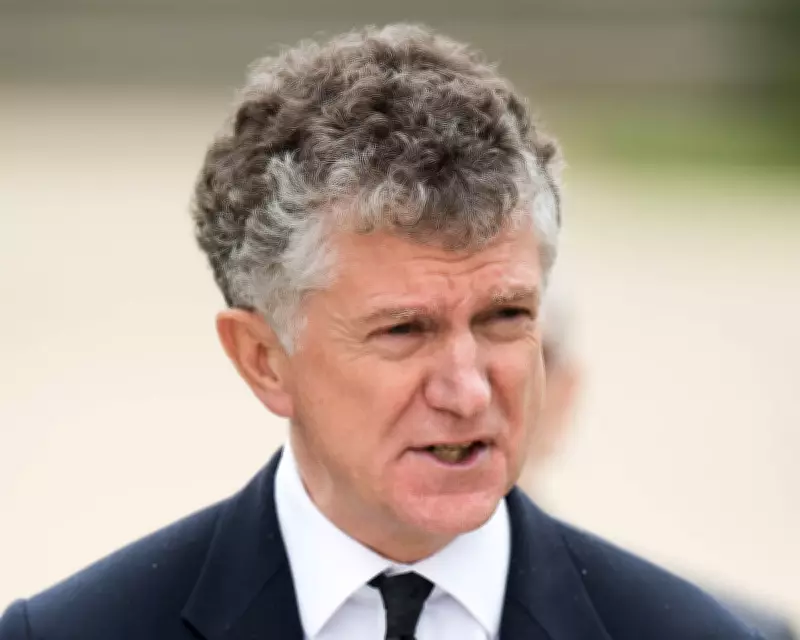
Jonathan Powell, the national security adviser to Prime Minister Keir Starmer, has firmly rejected overtures to assume the role of chief of staff following the resignation of Morgan McSweeney, according to exclusive reports. Powell, who previously served as chief of staff under Tony Blair from 1997 to 2007, is said to be motivated by a desire to return to his mediation consultancy work, with little interest in revisiting a position he has already held.
Plans for Departure and Denials from Downing Street
Allies of Powell indicate that he is considering stepping down from his role at the end of this year, which would mark another significant departure from the prime minister's senior team. However, Downing Street sources have strongly denied these claims, asserting that Powell has no plans to leave his position and will continue as national security adviser. They also refuted suggestions that Powell had been offered the chief of staff role, labeling such assertions as untrue.
The controversy unfolds against a backdrop of ongoing clear-outs in Downing Street, particularly following the decision to appoint Peter Mandelson as ambassador to Washington. This move has sparked significant debate, with Powell reportedly advising Starmer against the appointment due to Mandelson's history of controversy during the Blair government.

Key Role in Foreign Policy and Internal Conflicts
Powell has been credited with playing a pivotal role in shaping Starmer's foreign policies, including efforts to build relationships with global leaders like Donald Trump and position the UK as a bridge between the US and Europe. His expertise extends to high-stakes diplomatic efforts, such as liaising with European coalitions supporting Ukraine and handling the contentious issue of the Chagos Islands transfer to Mauritius.
Despite his influential position, Powell's opposition to Mandelson's appointment highlights internal rifts within the government. It is understood that he advised against the move, not due to knowledge of Mandelson's links to Jeffrey Epstein, but because of past experiences where Mandelson's actions led to cabinet resignations and controversy. This stance underscores how Starmer and McSweeney may have overlooked top-level foreign policy advice from within No 10 and the Foreign Office.
Background in Mediation and Future Plans
Powell's consultancy, Inter-Mediate, which he founded in 2011, specialises in behind-the-scenes conflict resolution. He has a storied career in mediation, including contributions to the 1999 Good Friday agreement, support for negotiations to end the Basque conflict with Eta, and advisory roles in peace settlements in Colombia and Mozambique. Powell has always viewed his national security role as a fixed-term commitment, with a clear intention to return to his consultancy work.
The release of internal government memos, agreed upon after controversies over Mandelson's connections, may further illuminate Powell's recommendations and the broader dynamics within Starmer's administration. As these documents are filtered by parliament's intelligence and security committee, they could shed light on the decision-making processes that have led to recent upheavals in Downing Street.