Chancellor Rachel Reeves Reaffirms Commitment to Protect State Pensioners from Tax
Chancellor Rachel Reeves has provided a significant update on impending tax changes that will affect state pensioners across the United Kingdom. Her statement comes amid growing concerns that more pensioners will be drawn into the tax net from April 2027, when the triple lock mechanism is set to push the full new state pension above the current personal allowance threshold.
The Looming Tax Threshold Issue
The Labour Government outlined in the Autumn Budget of 2025 that it would introduce specific changes to ensure individuals whose only income derives from the basic or new state pension, without any additional increments, "do not have to pay small amounts of tax" through simple assessment starting from the 2027/2028 tax year. This policy intervention is necessary because, from April 2027, the full new state pension is projected to consume the entire £12,570 annual personal allowance. Consequently, pensioners relying solely on this income would begin paying income tax for the first time.
State pension payments are scheduled to increase by 4.8 per cent from April 2026, elevating the full new amount to £241.30 weekly, or £12,547.60 annually. This figure is just over £20 short of exhausting the entire personal allowance, setting the stage for a potential tax liability the following year.
The Triple Lock Mechanism and Its Implications
The triple lock policy guarantees that the state pension rises by at least 2.5 per cent annually, or in line with the highest of average earnings growth or inflation. Given this safeguard, the full new state pension rate will inevitably exceed the personal allowance threshold from April 2027 under current conditions, thereby attracting an income tax bill for those without other income sources.
HMRC officials informed MPs in January 2026 that legislation would be required to implement this new tax exemption policy for state pensioners. It is anticipated that such legislation could appear in the finance bill during Autumn 2026. Chancellor Rachel Reeves has faced scrutiny from the Treasury Committee regarding the progress of bringing this protective policy to fruition.
Reeves' Assurance to Parliament
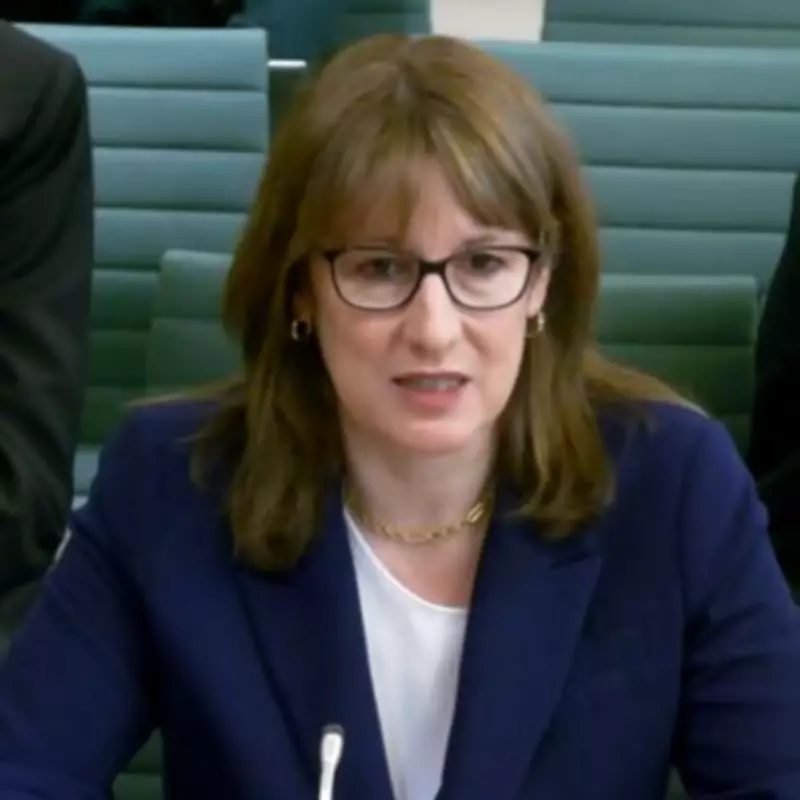
During her appearance before the Treasury Committee, Chancellor Reeves provided a detailed response to queries about the government's plans. She stated, "From the beginning of April, the new state pension is going to go up by £575 a year, and over the course of this Parliament, it is forecast that the new state pension will be £2,000 a year higher by the end of the forecast, because of this Government's commitment to the triple lock."
She further explained, "The previous Government froze the income tax thresholds. It is in those years—for those freezes—that the new state pension will come into income tax if nothing is done, but I have committed to do something. We are working on how that will work at the moment, but we have been clear that, if your only income is from the new state pension, you will not be subject to income tax during the course of this Parliament. We will set out details later this year on how that will happen."
Clarifications on Tax-Free Allowances and Additional Income
Following the Chancellor's remarks, committee chair Meg Hillier highlighted a specific scenario where a state pensioner might still become liable for tax. She pointed out, "But if you earned bank interest above the £5,000 threshold, or you had a small dividend, you would be subject to income tax."
This refers to the starter rate for savings, which permits individuals to earn up to £5,000 annually in interest from savings tax-free. However, this allowance decreases by £1 for every £1 earned above the £12,570 yearly threshold, meaning the starter rate vanishes entirely once income reaches £17,570.
Beyond this allowance, basic rate taxpayers can earn up to £1,000 in interest without incurring tax. This allowance reduces to £500 for higher rate taxpayers, while those on the additional rate receive no allowance at all.
In response, Ms Reeves clarified, "It is already the case that most pensioners with any form of private income are taxed. We want, of course, to make that as simple as possible but, over the course of this Parliament—when we are in office—we will not be taxing people whose only income is from the new state pension."
The government's commitment aims to provide clarity and security for pensioners, ensuring that those dependent solely on the state pension are shielded from unexpected tax burdens as the triple lock continues to drive pension increases.