Budget 'Black Hole' Claims Unravel as Fiscal Watchdog Contradicts Chancellor
Chancellor Rachel Reeves is facing overwhelming calls to resign after the Office for Budget Responsibility revealed it had informed her of a £4.2 billion surplus weeks before she claimed the nation faced a £30 billion fiscal black hole. The revelation has sparked a major political crisis for the Labour government, with voters, business leaders and even party MPs turning against the Chancellor.
A Mail on Sunday poll conducted by Find Out Now found that 68% of voters believe Ms Reeves should quit, compared to just 32% who think she should remain in post. The survey of 2,002 British adults on November 29 revealed a majority of more than two to one in favour of her resignation.
Timeline of Contradictions Exposed
The crisis deepened when the OBR disclosed it had written to the Treasury on September 17, estimating the deficit at only £2.5 billion rather than the £30 billion repeatedly cited by the Chancellor. Crucially, on October 31, the fiscal watchdog informed Ms Reeves she was actually sitting on a surplus and the government was on course to meet its fiscal targets.

Despite this knowledge, just four days later on November 4, the Chancellor held an unusual press conference where she spoke of significant 'challenges' and 'hard choices' ahead of her Budget. She strongly hinted she would need to breach Labour's manifesto promises by increasing income tax, setting the stage for what would become known as the 'Benefits Street Budget'.
Prime Minister Keir Starmer has also become embroiled in the growing scandal. Downing Street sources indicated over the weekend that Sir Keir had been aware of the true economic situation when Ms Reeves was publicly warning about difficult fiscal decisions.
Cross-Party Backlash and Internal Labour Unrest
The political fallout has been severe and widespread. Tory leader Kemi Badenoch told the Mail on Sunday: "She seems to think she can create her own alternative reality and that people will just buy it. We learn now the OBR actually told her, 'You don't necessarily need to do this.' And she did it anyway. That is dishonest."
Even within Labour ranks, anger is boiling over. Former minister Graham Stringer stated bluntly: "Under similar circumstances, no Chancellor would expect to remain in office." He insisted that if Parliament demands answers on Monday, Ms Reeves must appear personally rather than sending a junior minister.
Another Labour MP expressed fury that colleagues had been "marched up a hill" to defend potential manifesto-breaking tax rises, only to discover the fiscal justification was non-existent. However, some suggest the Chancellor may survive because her departure could trigger a leadership crisis, with one MP noting: "If she goes, Keir goes."
Economic and Business Community Reaction
Prominent economists and business leaders have joined the chorus demanding change. Andrew Sentance, former economic director at the CBI and Bank of England interest-rate setter, called for Ms Reeves to resign, describing Wednesday's Budget as "one of the worst I can remember."
Ken Costa, City grandee and former chairman of Lazard International, said the OBR letter had "caught Reeves out" and represented "an indictment of her calculated intention to withhold the crucial OBR finding."
Business confidence has been severely shaken, with Reform UK leader Nigel Farage declaring: "We have a deceitful Prime Minister and Chancellor and both should go. Business has no confidence left in these two."
The controversy has extended to concerns about market manipulation. Shadow Chancellor Mel Stride has asked the Financial Conduct Authority to investigate "possible market abuse by all those who would have had access to confidential information" on grounds that markets could have been manipulated by knowingly false statements.
Government Defence and Future Implications
In her defence, Ms Reeves told The Guardian that the tax measures remained "fair and necessary" because wealthy individuals should share more of the economic burden, despite knowing the deficit had disappeared.

A Treasury spokesman stated: "This Government fully backs the independent OBR whose impartial forecasts underpin stability, and the fair and necessary choices the Chancellor made at the Budget."
However, concerns have emerged about potential retaliation against the OBR. Sources claimed Treasury minister Dan Tomlinson was overheard suggesting the government had "big plans" for the watchdog next year, though the Treasury denied he made any such comment.
The political damage appears extensive, with the MoS poll also finding that 65% of voters believe the Labour government will fall before its five-year term ends in 2029. On the Daily Mail website, 97% of 80,000 respondents called for Ms Reeves to resign.
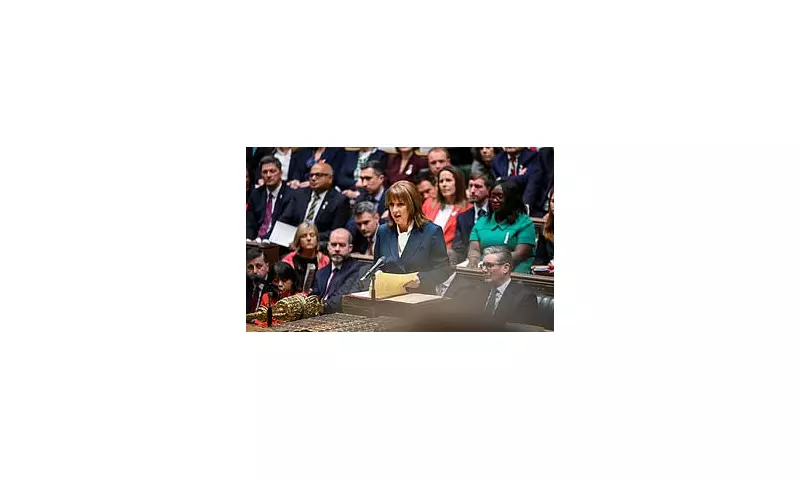
As ministers admit the situation looks "serious" for the government, all eyes turn to Monday when the Chancellor is likely to be forced to appear in the Commons for an emergency statement that could determine her political future.