Reform UK MPs Face 'Rubbish' Insult in Heated Parliamentary Exchange
In a dramatic session of Prime Minister's Questions on Wednesday, 11 February 2026, Independent MP Ayoub Khan ignited a political firestorm by likening Reform UK MPs to "rubbish." The provocative comment was delivered as Khan addressed the escalating bin collection crisis in Birmingham, drawing immediate reactions from both sides of the chamber.
Khan's Scathing Comparison to Birmingham's Waste Woes
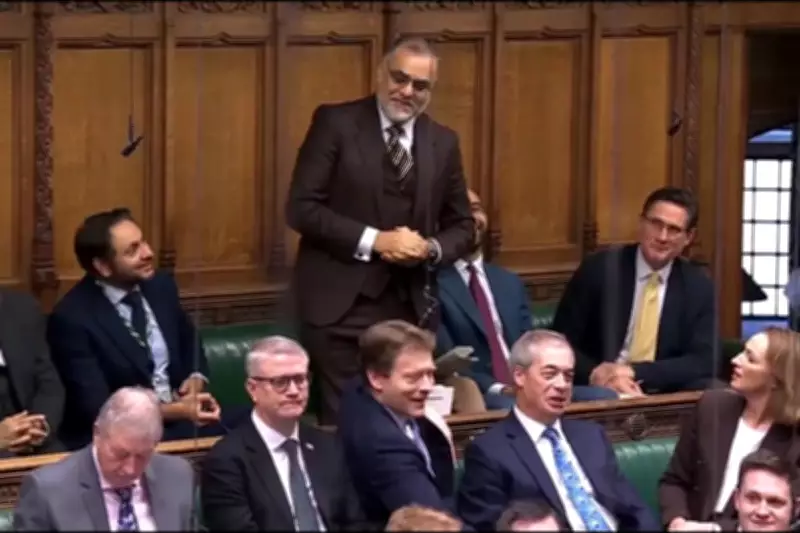
While urging Prime Minister Sir Keir Starmer to intervene in the Birmingham bin dispute, Khan pointedly gestured towards Reform UK MPs seated directly below him, including party leader Nigel Farage, chairman Richard Tice, and MP Sarah Pochin. He declared that rubbish was "building right beneath my very nose," a clear reference to both the physical proximity of the Reform MPs and the metaphorical link to the city's waste management failures.
The Birmingham bin crisis has seen prolonged disruptions to refuse collections due to stalled negotiations between Birmingham City Council and Unite the Union, leaving streets littered with uncollected waste and sparking public outrage. Khan's remarks aimed to highlight the urgency of the situation while taking a sharp political dig at Reform UK's presence in Parliament.

Mixed Reactions from Reform UK Bench
The response from the Reform UK MPs was notably divided. Richard Tice was seen cheering and laughing at the comment, seemingly amused by the theatricality of the moment. In contrast, Sarah Pochin appeared visibly unimpressed, reflecting a more subdued reception to what some might view as a disrespectful analogy.
This incident underscores the heightened tensions in Westminster, where debates over local governance issues like the Birmingham bin crisis are increasingly intertwined with partisan jabs and personal attacks. Khan's comparison has sparked discussions about the tone of political discourse, with critics arguing it crosses a line of decorum, while supporters see it as a pointed critique of Reform UK's policies and influence.
Broader Implications for Political Rhetoric and Local Governance
The episode raises questions about how national politicians address local crises, such as Birmingham's bin collection failures, which have plagued residents for weeks. By linking the issue to Reform UK MPs, Khan has drawn attention to the party's role and stance on public services, potentially influencing public perception ahead of future elections.
As Birmingham City Council continues to grapple with union negotiations and waste management challenges, this parliamentary exchange serves as a reminder of the volatile intersection between local governance struggles and national political theatrics. The fallout from Khan's remarks may linger, affecting Reform UK's image and highlighting the ongoing bin crisis as a symbol of broader administrative failures.