Reform UK's Economic Blueprint: Jenrick Outlines Fiscal Vision and Controversial Pledges
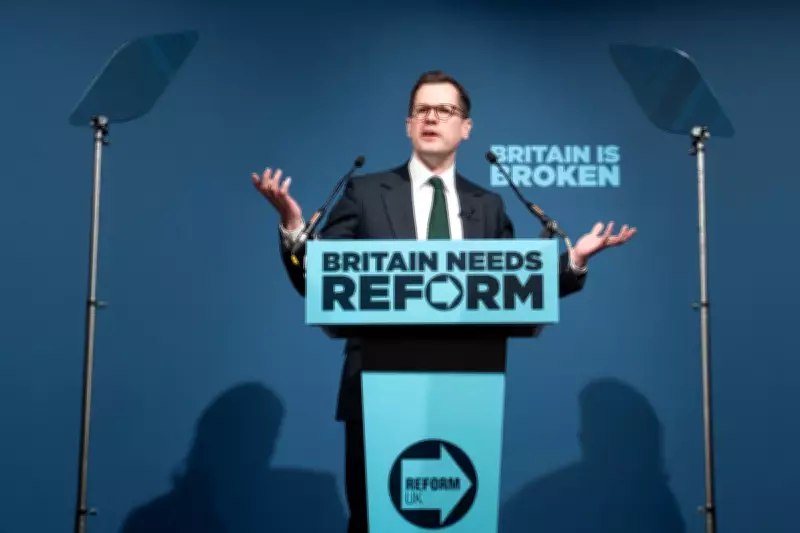
Robert Jenrick has delivered his inaugural major address as Reform UK's economic spokesperson, articulating a comprehensive fiscal strategy for the party ahead of the next general election. Appointed to Nigel Farage's senior team less than a month after his tumultuous departure from the Conservative Party, Jenrick leveraged his Cabinet experience to critique government inefficiencies and propose a series of bold economic measures.
"Today, I give you my word that a Reform government will never play fast and loose with your savings," Jenrick declared, emphasizing a commitment to fiscal responsibility. His speech outlined policies ranging from institutional reforms to immigration adjustments, sparking debates over their practicality and economic implications.
Bank of England: Independence with a Net Zero Twist
Jenrick affirmed that the Bank of England would retain its independence under a Reform UK administration but insisted it "must perform better." A key proposal involves removing the Bank's mandate to support the UK's transition to net zero, which Jenrick labeled "a distraction." This remit was introduced in 2021 under Chancellor Rishi Sunak, leading to green initiatives like the Corporate Bond Purchase Scheme overhaul.

Bank of England Governor Andrew Bailey has previously noted that net zero efforts might slow global economic growth, yet he warned that ignoring climate change could incur greater long-term costs. Jenrick's stance signals a shift toward prioritizing immediate economic performance over environmental goals, raising questions about balancing growth with sustainability.
Office for Budget Responsibility: Overhauling Forecasting
Jenrick accused the OBR of overestimating the short-term benefits of low-skilled migration and underestimating the dynamic effects of tax cuts. While pledging not to abolish the OBR, he vowed to "break up this cosy consensus" by introducing diversity of opinion and recruiting "superforecasters" through competitions with competitive salaries.
This move aims to enhance the accuracy of fiscal modeling, though experts have debated whether the OBR's immigration assessments are overstated. The proposal reflects Reform UK's focus on refining economic oversight to align with their policy objectives.
Britannia Card Visa: A Controversial Revenue Scheme
Reform UK recommitted to the "Britannia Card" visa, which would grant wealthy foreign nationals residence permits for a one-time fee of £250,000, exempting them from taxes on overseas wealth, income, or capital gains. The party projects this scheme to generate approximately £2.5 billion annually, intended as a £1,000 dividend for low-income individuals.
However, Dan Neidle of Tax Policy Associates estimates the policy could cost the economy £34 billion over five years in lost government revenue, arguing it would provide a substantial tax windfall to a small, affluent group already in the UK. This disparity highlights the contentious nature of the proposal and its potential fiscal risks.
Universal Credit and Foreign Aid: Targeting Savings
Jenrick outlined plans to save £25 billion yearly by ending Universal Credit for foreign nationals, raising the Immigration Health Surcharge, and capping foreign aid at £1 billion. With UK Official Development Assistance at £14.08 billion in 2024 and Universal Credit payments to non-UK households around £10.1 billion, these measures could yield significant savings.
Labour's existing efforts to reduce overseas aid from 0.5% to 0.3% have faced criticism from MPs who deem it a "tragic error" jeopardizing national security. Reform UK's approach intensifies this debate, focusing on domestic fiscal tightening amid global obligations.
Civil Service Cuts: Efficiency vs. Redundancy Costs
Reform UK aims to cut 68,500 civil service jobs, projecting £4 billion in immediate savings and £1 billion in averted pension liabilities. MP Danny Kruger estimates this could reduce the salary bill by 17% and save taxpayers £5.2 billion annually.

Yet, the policy may not yield net savings for several years due to redundancy costs, estimated at around £60,000 per employee. Similar plans under Boris Johnson to cut 91,000 jobs were abandoned by Liz Truss over concerns of up to £7 billion in redundancy expenses, underscoring the challenges of such austerity measures.
Two-Child Benefit Cap: A U-Turn with Social Impact
In a reversal of previous stances, Jenrick confirmed Reform UK would reinstate the two-child benefit cap if elected. The government estimates scrapping the cap would lift 450,000 children out of poverty, leading to criticism from figures like Labour Party chairwoman Anna Turley, who called it a "cruel child poverty pact."
Sir Keir Starmer condemned the pledge as showing "total disregard for the lives of young people," highlighting the social ramifications of this policy shift and its potential to deepen economic inequalities.
Tax Cuts: A Cautious Approach
Surprisingly, Jenrick stated Reform UK will not commit to tax cuts unless sustainable fiscal headroom is generated, blaming Labour's Rachel Reeves for rendering "previous assumptions" unrealistic. "We will never make promises we can't keep to the British people," he asserted, emphasizing prudence over populist pledges.
This cautious stance contrasts with typical right-wing economic rhetoric, suggesting a focus on long-term stability rather than immediate tax reductions, which could reshape voter perceptions of the party's fiscal priorities.
Overall, Jenrick's speech positions Reform UK as a party advocating for structural reforms and fiscal discipline, yet its proposals face scrutiny over feasibility, economic impact, and social consequences as the election approaches.