Reform UK's Pub Tax Plan: A Political Fantasy That Doesn't Add Up
Pubs are for everyone. They should not be allowed to become the political property of the boorish hard right. This is the central argument against Reform UK's recent proposal to offer tax relief to the hospitality sector, a plan that promises 5p off a pint but is built on shaky financial foundations and a narrow vision of what pubs represent.
The Flawed Economics of a Pint Promise
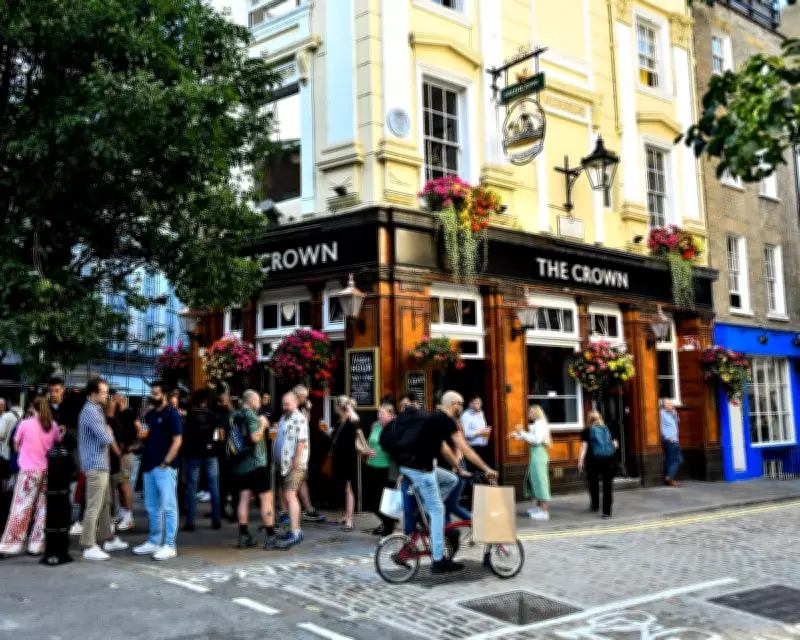
Last week, Nigel Farage chose a Westminster pub to launch his latest policy, pledging £3 billion in tax relief for hospitality. This would be funded by reinstating the two-child benefit cap, a move that critics argue would push struggling families closer to penury. However, HMRC estimates suggest Reform UK's calculations are off by about £10 billion, blowing a hole in their sums.
Within the wood-panelled walls of a pub, anything might seem possible, but attention to fiscal detail has never been part of Reform UK's brand. The optics are the point here, and while Labour has offered policy-based rebuttals, this debate cannot be won with facts and figures alone. It raises a more urgent question: why has the hard right increasingly chosen pubs as its battleground?
The Romanticised Pub: A Shortcut to Working-Class Authenticity
Like many former public schoolboys, Farage loves to romanticise the pub as a keyboard shortcut to working-class authenticity. His early GB News segment, Talking Pints, featured him and a guest sitting in a studio with an electronic backdrop of a traditional English pub, sipping beer and discussing topics like "woke" culture.
This aesthetic survives today on Talk's Grumpy Old Men, where three men moan about issues from Ulez to veganism with effortless rage. When Farage and Reform's Lee Anderson talk about saving the great British pub or claim "every pub is a parliament," they evoke a specific image: a stereotype of pubs as spaces for older white men to sit and drink, as Green MP Siân Berry notes.
The Danger of a Narrow Vision
This vision is a form of pub cosplay, rooted in an imagined past where old white lads can say whatever they like without challenge. It shuns society's inconveniences: Muslims, families, and young people who increasingly opt for sobriety or cheaper supermarket drinking. The danger arises when this one demographic is confused for the whole pub experience.
The real beauty of the great British pub is its sheer versatility. Pubs mould around their people, offering choices like desi pubs, country pubs, chain pubs, gastropubs, darts pubs, gay pubs, and more. They can feature trans pride flags, £20 roasts, or dog bowls in the corner. This diversity is what makes pubs brilliant.
The Threat to Pub Diversity
While pubs are closing at a rate of about one a day across 2024 and 2025, an equally big danger is the increasing homogeneity of those that remain. Many are devoured by big chains, caught in a pincer movement of societal change, institutional neglect, and hostile licensing regulations. It is a fiction to imagine this can be fixed through tax tweaks alone, especially from a party influenced by neoliberal economics and super-rich donors.
This battle can still be won, not necessarily by Labour with its soiled reputation, but by those willing to fight for the simple, malleable joy of pubs in all their forms. We must reject the ersatz fantasy economics of Reform and its backers, which root the pub in a past that never existed. Every seasoned drinker knows that every pub has its crashing bores, but that doesn't mean we should let them define the space for everyone else.