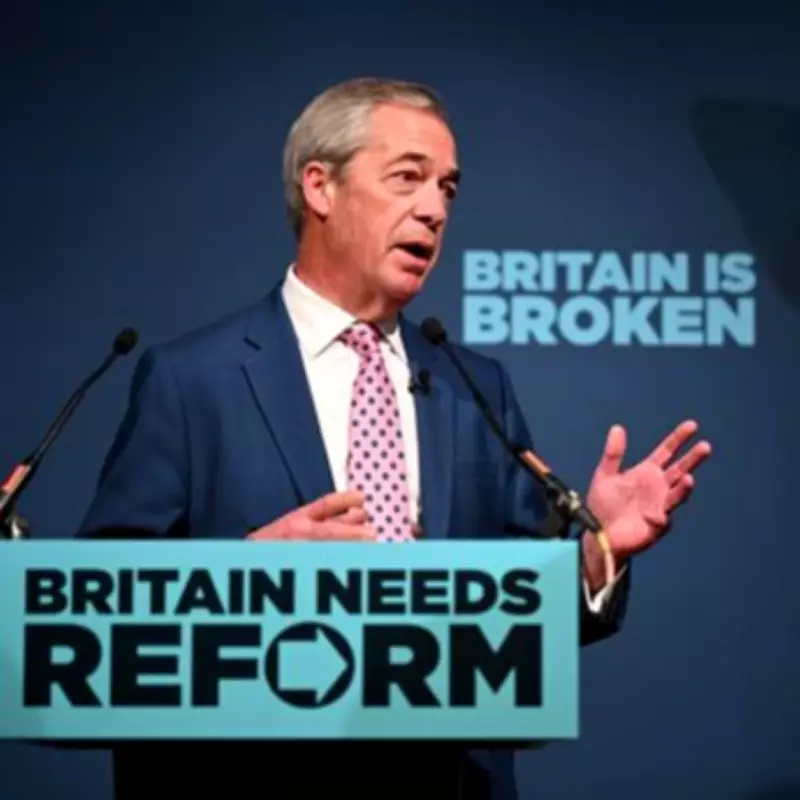
Reform UK has unveiled a controversial policy shift by announcing plans to bring back the two-child benefit limit, a move that critics warn will severely impact thousands of vulnerable children across Britain. The party's stance marks a significant reversal from previous commitments and has ignited a fierce debate over welfare and poverty.
A Cruel Policy with Dire Consequences
In his inaugural speech as Reform's economic chief, Robert Jenrick, the party's newly appointed shadow chancellor, declared that the nation cannot afford to lift the two-child benefit limit. This restriction, which caps child tax credits and universal credit to the first two children in a family, is set to be reinstated three years after Labour's planned abolition, potentially affecting as many as 450,000 children and pushing them into poverty.
Jenrick's Justification and Public Backlash
When questioned by The Mirror at a recent press conference about the implications of his decision, Jenrick defended the move by arguing that excessive welfare spending threatens to bankrupt the country. He stated, "Of course, we care about ensuring that people can have kids and their kids could lead fulfilling lives. We can't just do that by spending more and more on benefits. The country is going to go bankrupt."

This rationale has been met with sharp criticism, particularly from Chancellor Rachel Reeves, who earlier emphasized the need to scrap the limit, highlighting that children should not be penalized for their parents' financial struggles. Reeves pointed out that unforeseen circumstances, such as chronic illness or bereavement, can lead families into difficult times, making support essential.
Farage's Self-Serving Response
Nigel Farage's reaction to the policy change has further fueled the controversy. When asked if Jenrick had the final say on the decision, Farage suggested that the party altered its course because it had "backfired" with the Tory press, who labeled him a "socialist." He remarked, "I'm not very keen on being called a socialist to be honest," revealing a focus on personal image rather than the welfare of vulnerable children.
Political Choices and Hypocrisy
Critics argue that politics is fundamentally about choices, and Jenrick's decision reflects a clear prioritization of fiscal concerns over social support. As a former Conservative minister who served in administrations that contributed to public financial woes, including Liz Truss's short-lived government, Jenrick's turn to Reform and advocacy for austerity measures has been labeled hypocritical by opponents.
The policy shift underscores Reform UK's belief that providing financial assistance to families—ensuring children have enough food and heat—is an unsustainable drain on public finances. This stance contrasts sharply with Labour's commitment to lifting the limit, setting the stage for a contentious political battle as the next election, likely in 2029, approaches.
Broader Implications for Child Poverty
With 4.5 million children already living in poverty in the UK, Reform's proposal could exacerbate an already critical situation. The Mirror's challenge to Jenrick about his comfort with increasing child poverty highlights the ethical dimensions of the debate, as families face heightened risks of deprivation and hardship.
In summary, Reform UK's U-turn on the two-child benefit limit, driven by political maneuvering and fiscal arguments, has sparked widespread outrage and raised serious concerns about the party's commitment to protecting the most vulnerable in society.