

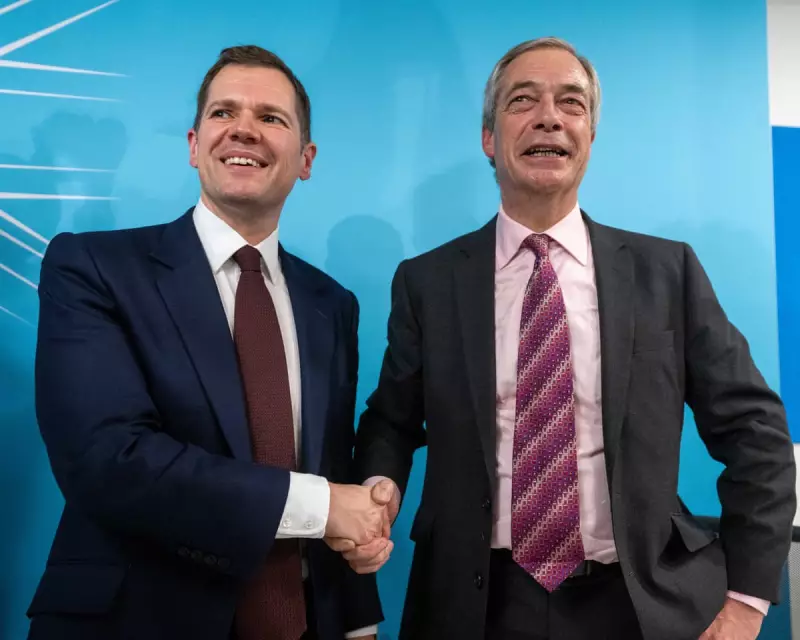
The political landscape in Westminster has shifted once again with the high-profile defection of former Conservative minister Robert Jenrick to Nigel Farage's Reform UK party. This move brings the total number of current or former Tory parliamentarians who have joined Reform to a significant 18 individuals.
Jenrick's decision marks the latest in a series of blows to the Conservative Party, as Reform continues to position itself as a formidable challenger on the right of British politics. While Farage has claimed the value of such defections is diminishing and stated he would accept no more after the May elections, the flow of established figures provides his party with increased credibility and media attention in the run-up to the next general election.
Prominent Figures Who Have Already Joined Reform
The roster of defectors includes several well-known names who are set to become prominent voices for Reform.

Lee Anderson, the MP for Ashfield, made history by becoming Reform's first sitting MP after defecting from the Conservatives in 2024. His whip was removed after he refused to apologise for comments about London Mayor Sadiq Khan. Known for his blunt, working-class style, Anderson offers a distinct contrast to Farage.
Danny Kruger, the MP for East Wiltshire, joined Reform in September 2023. His background as a former Telegraph writer and advocate for 'compassionate conservatism' has been seen as adding intellectual weight to the party. He is now tasked with ensuring Reform's policies are fully costed.
Perhaps the most risky acquisition so far is Nadhim Zahawi, the former Chancellor of the Exchequer. His defection earlier this week brings valuable ministerial experience but also the baggage of his 2023 sacking as Tory chair over his tax affairs, leading some to question if Reform risks becoming 'Conservatives 2.0'.
Conservative Figures Who May Yet Defect
Speculation continues to swirl around other senior Conservatives who might be considering their futures.
Jacob Rees-Mogg, the former Business Secretary and prominent Brexiteer, has long been discussed as a potential defector. Although he lost his seat in 2024, he remains a high-profile media figure. He has consistently called for unity between Reform and the Tories but has not ruled out a move.
Suella Braverman, the former Home Secretary known for her hardline stance on immigration and the Rwanda scheme, is another name in the frame. Her husband briefly joined Reform, and her political alignment makes her a plausible candidate, despite the party's past criticism of her.
Among newer MPs, Katie Lam, the Conservative member for Weald of Kent, is seen as a potential recruit. A close ally of Jenrick and a strident voice on reducing immigration, she is a rising star whose loyalties are being watched closely.
Other possibilities include Brandon Lewis, the former Northern Ireland Secretary, though his past support for remaining in the EU could be a hurdle. Nick Timothy, a former May adviser and ally of Jenrick, saw his chances of defection plummet after he accepted the shadow justice portfolio Jenrick vacated.
Implications for the Political Battle Ahead
The steady trickle of defections underscores the deep fractures within the Conservative Party and the potent appeal of Reform's message, particularly on issues like immigration and Brexit delivery. Each new recruit grants Farage's party greater media platform and a veneer of governmental experience.
However, Farage's self-imposed deadline of the May elections for accepting defectors suggests a strategic pivot. He is betting that by then, Reform's organic strength will be so evident that late-coming Tories will have little extra to offer. This political drama sets the stage for a fiercely contested battle on the right, with significant consequences for the outcome of the next election.






