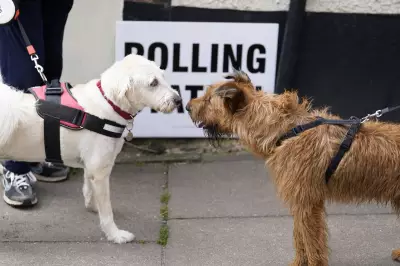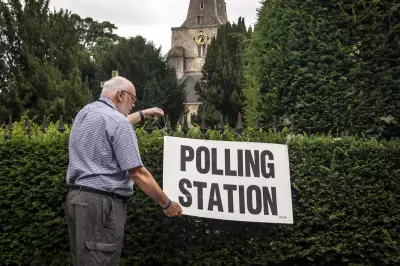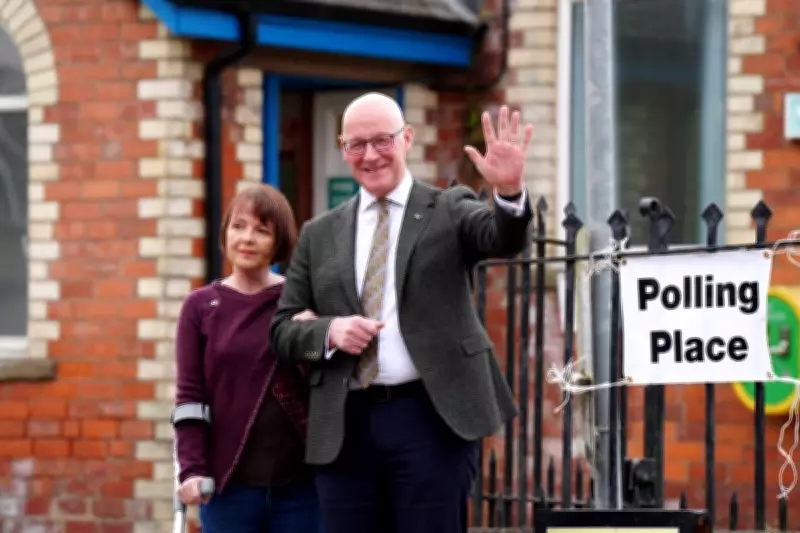
Polling stations across Scotland opened on Thursday as voters cast their ballots to elect a new Scottish Parliament, with 129 seats up for grabs. The election will determine not only the composition of Holyrood but also who will serve as the next first minister.
Voting Details and Count
Voters have until 10pm to cast their ballots, electing 73 constituency MSPs and a further 56 regional representatives via eight lists. Unlike previous elections—except for the 2021 pandemic vote—the count will take place on Friday, with final results expected by late evening.
Campaigners have spent six weeks traversing the country in pursuit of victory. First Minister John Swinney’s SNP has led polls since the campaign began, with Swinney arguing that a majority—rare under Holyrood’s electoral system—would enable greater pressure on Westminster for a second independence referendum.

Key Party Positions
Speaking before polls opened, Swinney called the election “Scotland’s opportunity to choose a better future by voting SNP for real action on the cost of living, to lock Nigel Farage out of power, and to secure a fresh start with independence.” He urged voters to cast both votes for the SNP to deliver a strong majority government.
SNP Westminster leader Stephen Flynn, standing for Holyrood, echoed this message, stating that “the increasingly unaffordable cost of living in the UK has defined this election. Brexit Britain is broken—and Scotland is trapped in a never-ending cycle of soaring bills and constant chaos under Westminster control.” He added that independence offers a chance to use Scotland’s energy wealth to lower bills.
Reform UK’s Rise and Labour’s Struggles
A key unknown is Reform UK’s performance. The party has polled well for the first time at Holyrood and could win at least a dozen seats, with a fierce battle for second place between Lord Malcolm Offord’s party and Labour.
Anas Sarwar insisted Labour would defy pollsters predicting third place, but the party has struggled since its 2024 success. Sarwar cut ties with Prime Minister Sir Keir Starmer in February over the Mandelson scandal, ending a long-standing alliance.
Greens and Lib Dems Eye Gains
The Scottish Greens and Liberal Democrats are forecast to make gains, with the Greens potentially winning their first-ever constituency seat. Green co-leader Gillian Mackay said every vote for her party is “a vote for a fairer, greener and independent Scotland and to reject the hatred and division of Reform UK.” She added: “We don’t have to accept a broken status quo. It’s time to demand better.”
Tories Face Decline
Forecasts suggest the Scottish Conservatives’ decade-long grip on the unionist vote may end, with Russell Findlay’s party projected to lose votes and seats. The party had previously defied political gravity under Baroness Ruth Davidson.
Campaign Themes
The cost of living dominated the campaign. The SNP pledged to cap bus fares and supermarket essentials, while Reform and the Tories focused on tax cuts. Scottish Labour also proposed tax cuts, contingent on economic growth. The Greens promised higher taxes to fund universal free bus travel, and the Lib Dems centred their campaign on the NHS and social care.