Senate Democrats Halt DHS Funding in Immigration Dispute
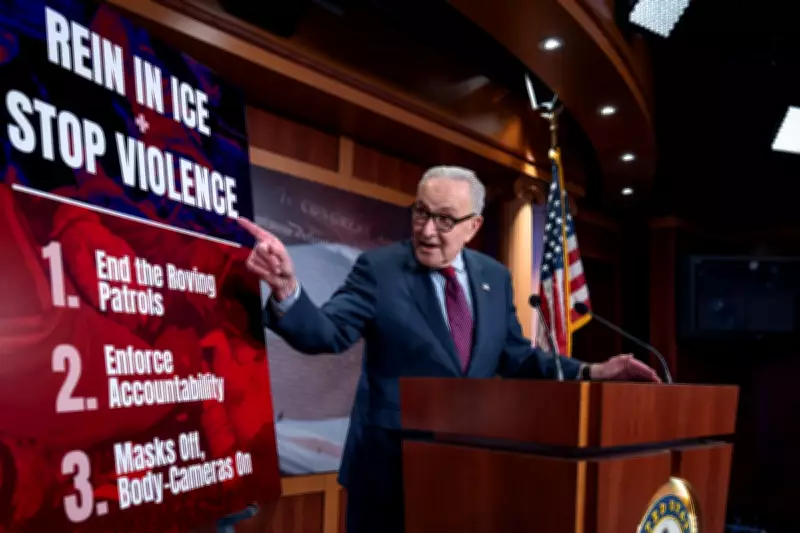
In a significant political move, Democrats in the United States Senate have successfully blocked a funding bill for the Department of Homeland Security (DHS). This action has created a major standoff in Washington, with the bill's failure attributed to deep-seated disagreements over immigration policies. The decision underscores the ongoing partisan tensions that continue to shape legislative processes in the US capital.
Details of the Funding Blockade
The proposed legislation aimed to allocate substantial financial resources to DHS, covering areas such as border security, cybersecurity initiatives, and emergency response capabilities. However, Democratic senators raised objections, arguing that the bill did not adequately address humanitarian concerns at the US-Mexico border and lacked sufficient protections for asylum seekers. They also expressed worries about potential expansions of enforcement measures that could impact immigrant communities.
Republicans, on the other hand, have criticized the blockade, asserting that it jeopardizes national security by delaying critical funding. They argue that the bill is essential for maintaining operational readiness and addressing emerging threats. This clash has led to a deadlock, with both sides digging in their heels and no immediate resolution in sight.

Broader Implications for US Politics
This funding impasse reflects larger trends in US politics, where immigration has become a polarizing issue. The standoff may have ripple effects on other legislative priorities, including budget negotiations and potential government shutdowns. Analysts suggest that the move by Senate Democrats could be a strategic effort to leverage funding for policy concessions, particularly in an election year where immigration is a key voter concern.
Furthermore, the blockade highlights the challenges of bipartisan cooperation in a divided Congress. With control split between parties, such stalemates are becoming increasingly common, impacting the efficiency of governance and public trust in political institutions.
What Happens Next?
As the funding bill remains in limbo, stakeholders are calling for urgent negotiations to break the deadlock. Options on the table include amendments to the bill, separate emergency funding measures, or a broader compromise on immigration reform. However, given the entrenched positions, a quick resolution seems unlikely.
In the meantime, DHS agencies may face operational constraints if the funding delay persists, potentially affecting border patrol activities, disaster response efforts, and cybersecurity defenses. The situation underscores the high stakes involved in legislative battles over homeland security and immigration.