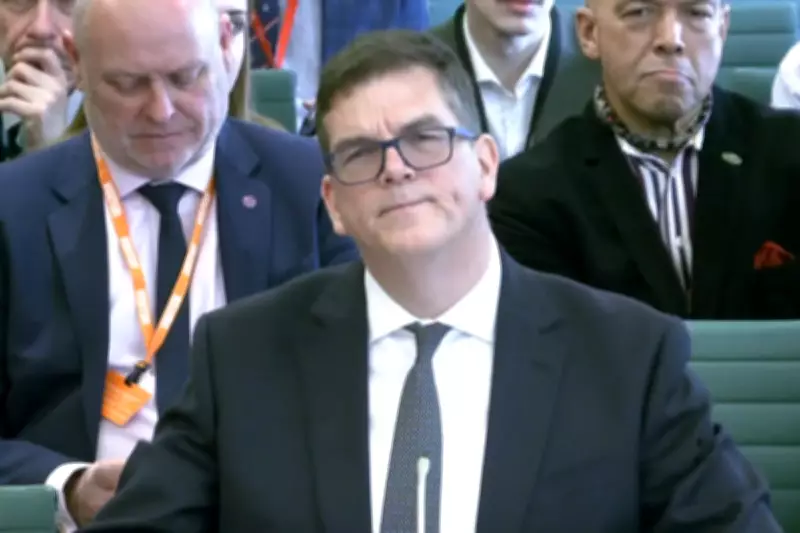
Sir Olly Robbins Defends Mandelson Vetting Process Under Intense Political Pressure
Sir Olly Robbins, the veteran civil servant tasked with vetting Peter Mandelson's appointment as ambassador to Washington, has insisted the "integrity of the process" remained intact despite what he described as "constant pressure" from Number 10 to expedite the security clearance. Appearing before the Foreign Affairs Select Committee, Robbins revealed the extent of political interference in what should have been a routine bureaucratic procedure.
A Career Civil Servant Under Fire
With thirty years of distinguished public service across four prime ministers, including roles as Theresa May's chief Brexit negotiator, Sir Olly Robbins represents the epitome of the civil servant's civil servant. Described as punctilious, smart, and fundamentally committed to "getting things done," his appearance before the committee followed his dismissal after failing to relay a UK Security Vetting ruling regarding Mandelson's appointment.
"I am sad about that," Robbins told the committee, his voice cracking slightly as he discussed his dedicated colleagues. He detailed how the Cabinet Office and Number 10 maintained "constant pressure" with what he described as a "sweary" and "dismissive" attitude toward due process. Ironically, given Prime Minister Keir Starmer's current position, Robbins revealed that political operatives assigned low-to-zero importance to the vetting procedure itself.

Contradictions in the Prime Minister's Position
The testimony directly contradicts Starmer's claims in the Commons that he would never have appointed Mandelson had he known about the vetting outcome. According to Robbins, the Foreign Office was essentially informed that security clearance represented nothing more than a fussy bureaucratic irrelevance. There were persistent calls to install Mandelson before Donald Trump's inauguration, with explicit orders to move "at pace."
Yet Starmer now maintains that clearance should never have been granted and would not have been if he had accessed the files. "The PM does appear to want to have his cake and eat it," observed one committee member. When asked what might have occurred if the Foreign Office had refused the appointment, Robbins suggested it would have created difficulties for both government and country while undoubtedly annoying American officials who had already completed the agrément process.
Committee's Failed Attempt to Extract Damaging Testimony
Despite determined efforts by committee members, including former criminal barrister Dame Emily Thornberry who deployed her gently inquisitorial skills, Robbins refused to offer more damaging revelations about Starmer. "I am not here to attack the prime minister," he stated firmly at one point, maintaining his loyalty to both state and prime minister despite his dismissal.
Robbins clarified that his dismissal would be subject to separate employment tribunal proceedings with possible substantial compensation. He emphasized that he told no one about the vetting details because he himself lacked specific information, having been briefed only that Mandelson was "borderline." Contrary to some reports, Robbins insisted the prime minister never overruled the vetting or his decision to grant clearance.
Defending the Process Integrity
"I will defend the integrity of the process," Robbins declared repeatedly during the hearing. He maintained that while the appointment process was pressured to the point of bullying, it was neither flawed nor rushed. Mandelson did not fail Foreign Office security clearance because, as Robbins noted, the Foreign Office had granted it through what he described as proper due process.
Robbins revealed that he had not even seen the detailed "red box" alert on Mandelson that has since been published. He expressed concern about circulating such sensitive information widely, citing security risks including potential Russian interception. Nothing in his testimony indicated that Starmer had lied to Parliament, a point Robbins emphasized as particularly important.

Damning Revelations About Political Interference
Nevertheless, the revelations proved damning in their depiction of relentless political pressure. Robbins made clear through emotional testimony that Number 10 was determined to secure Mandelson's appointment regardless of procedural considerations. This cuts directly to questions about the prime minister's judgement in handling sensitive diplomatic appointments.
Perhaps the most devastating revelation concerned attempts to secure an ambassadorial position for Matthew Doyle, Starmer's former communications director and a close friend of Mandelson. Robbins was instructed not to inform Foreign Secretary David Lammy about this proposed appointment, a directive that rightly disturbed the veteran civil servant.
Doyle, who was later suspended from the Lords after helping a friend charged with possessing indecent images of children, represented exactly the type of political appointment Robbins resisted. At a time when experienced senior diplomats were being made redundant, Robbins could not justify parachuting in a Labour spin doctor to head a diplomatic mission, thereby saving Starmer from additional embarrassment.
Unanswered Questions and Personal Sacrifice
According to Robbins himself, Starmer never provided him an opportunity to explain or defend his actions regarding the Mandelson vetting. If the prime minister has managed to "wriggle off the hook," then Robbins certainly did nothing wrong in his professional estimation. The testimony raises fundamental questions about the balance between political expediency and proper bureaucratic process in government appointments.
Throughout his distinguished career, Robbins provided multiple services to the nation and, as it happens, to Starmer himself. His appearance before the committee revealed not just the specifics of one controversial appointment, but the broader tensions between political leadership and civil service integrity in modern British governance.