Political Commentator Sophie Corcoran Faces Daily Torrent of Online Hate
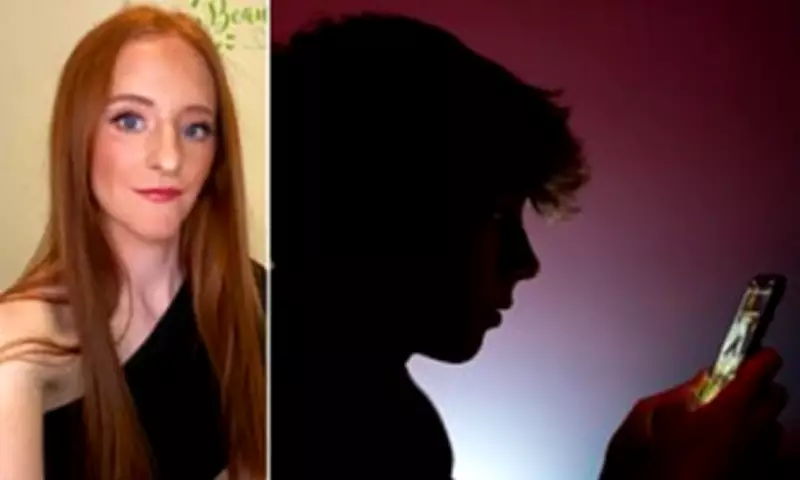
Sophie Corcoran, a 23-year-old Conservative political commentator, has revealed she receives at least 100 messages filled with hatred and abuse every single day across multiple social media platforms. The working-class commentator, who first entered politics during lockdown at age 17, describes the vitriol as "exceptional" even within the often-toxic environment of social media.
Extreme Abuse Across Platforms
With a quarter of a million followers on X alone, plus substantial audiences on Instagram, TikTok and Facebook, Corcoran faces a constant barrage of threats and insults. "People online hate me," she states. "'I hope you die,' they write. 'I hope you get raped.' Some of the abuse and threats I receive are simply too extreme to publish here."
The abuse intensifies whenever she appears on television or radio, which occurs frequently given her media profile. While much originates from Left-wing critics who label her Conservative views as "far Right," significant portions target her appearance, speech patterns, and age rather than her political positions.

Pro-Israel Stance Draws Particular Venom
Corcoran notes that her support for Israel in its conflict with Hamas brings particularly vicious responses. She shares examples including messages like "Yo, can't wait for someone to kill you, you c***" from user 'Viavaya' and "Dirty Zionist bitvh, I know where you work" from 'Asim'. Another user 'Tariq' wrote: "Someone will hopefully shoot you and you can join your fellow zios in hell you ginger science experiment."
Remarkably, Corcoran emphasizes: "And guess what? I'm not even Jewish." Despite attempting to rise above the deluge, she acknowledges: "Anyone who tells you this deluge of filth is not hurtful is being dishonest."
Opposition to Starmer's Social Media Ban Proposal
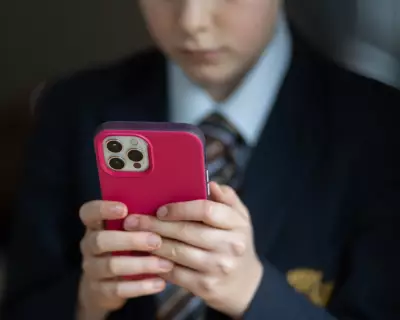
Given her firsthand experience with online toxicity, one might expect Corcoran to support Prime Minister Keir Starmer's proposed ban on social media for under-16s. Instead, she argues it would exacerbate problems while undermining parental authority.
"This week, following pressure from dozens of Labour backbenchers, the Prime Minister vowed to implement such a ban once a consultation is completed this year," Corcoran explains. "None of the platforms, such as Facebook, X, TikTok or Instagram, will get a 'free pass', the PM said, and legislation is also being considered to regulate young people's access to AIs like ChatGPT."
Fundamental Flaws in Government Approach
Corcoran contends this approach "goes to the root of everything that is wrong with his government." She criticizes Starmer and Labour MPs for acting as "nannies" rather than recognizing that "responsibility for raising children belongs in the home."
She points to Australia's similar ban as evidence of ineffectiveness, noting teens easily circumvent restrictions using VPN technology and fake birthday details while social media companies "seem quietly happy to let them bypass the rules."
"More than that, though, it is a shocking assault on families, undermining parental authority and treating everyone – adults and children alike – as though they cannot be trusted," Corcoran argues.
Parental Responsibility Over State Intervention
Despite the proposal's flaws, Corcoran observes that "few people have been willing to speak out against the restrictions before they come into place." Even Conservative figure Kemi Badenoch, who campaigned under the slogan 'Stop Banning Things', has offered support – which Corcoran believes stems purely from perceived popularity rather than principle.
"Tories should demand more responsibility from parents, not less," she insists. "It is not the government's role to make sure three-year-olds aren't being given iPads to shut them up, that ten-year-old boys aren't watching porn on their phones and 13-year-old girls aren't logging on to anorexia websites."

Personal Experience with Parental Guidance
Corcoran shares her own upbringing as evidence that effective parenting, not government bans, protects children online. "By the time I was 13, I was using social media regularly – within firm guidelines laid down by my parents," she recalls. "At the time, the internet was even less regulated than it is now. But I came to no harm: I wasn't stalked by predators, bullied by classmates or targeted by extremists, because my mum and dad took full responsibility for keeping me safe."
Her parents monitored her social media logins, limited phone usage, and prohibited phones at school until sixth form. "I wasn't always delighted about this but I accepted the rules and I knew that if I broke them, I'd lose all my social media access," she notes, adding that additional consequences like being grounded from weekend football provided effective deterrents.
Alternative Approach: Education Over Prohibition
Corcoran advocates for teaching responsible social media use in primary schools rather than imposing blanket bans. "How else are young people supposed to learn how to distinguish right from wrong online, or what is real and what is not?" she questions. "Imposing a ban until they're 16 and then unleashing them on social media is a recipe for catastrophe."
While acknowledging legitimate concerns about excessive screen time harming mental health and fostering anxiety, insecurity and addiction, she maintains: "Protecting young people from all that is a job for parents, not the State."
Broader Critique of Nanny State Policies
Corcoran compares Starmer's approach to former Prime Minister Rishi Sunak's efforts to ban smoking across all ages, arguing both leaders reach for prohibition rather than coherent governance. She also criticizes initiatives like "teeth-brushing lessons in schools or 'free' – that is, funded by taxpayers – breakfast clubs" as examples of the state acting as disciplinarian rather than empowering parents.
"The underlying socialist message is clear: Don't worry about doing the hard work at home, the government will always step in," she observes. "The solution isn't more laws. It's better parenting. And no nanny state policy will ever replace that."
Corcoran's own experience with online abuse didn't begin until age 17 – when even Starmer's proposal would allow unlimited internet access – and resulted specifically from her vocal opposition to Labour policies, further illustrating the limitations of age-based restrictions in addressing complex online behaviors.