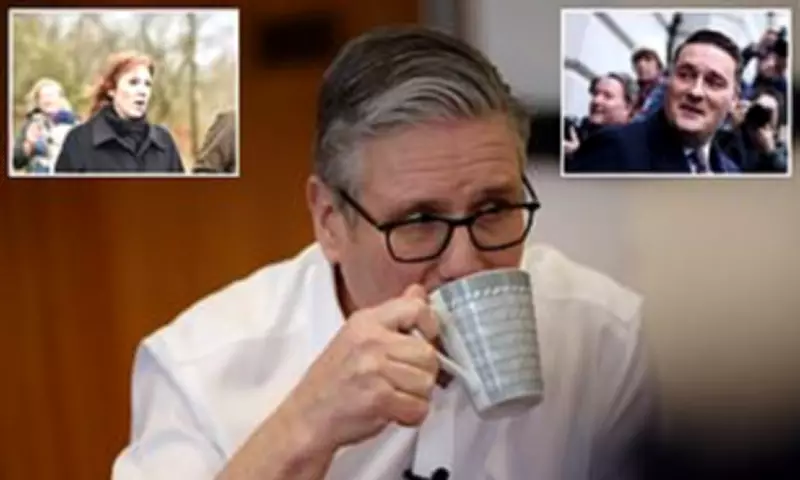
Keir Starmer Confronts Left-Wing Policy Demands Amid Deepening Leadership Crisis
Prime Minister Keir Starmer is grappling with a mounting list of left-wing demands as he fights to maintain his tenuous hold on power. This political turmoil follows a near-death experience for his premiership, triggered by the recent Mandelson scandal, which has left the threat level to his leadership critically elevated.
In response, Sir Keir has adopted the rhetoric of class warfare, asserting that working people across Britain are being systematically oppressed. However, this shift has not quelled internal dissent, with prominent rivals such as Angela Rayner and Health Secretary Wes Streeting positioned to challenge his authority. Last night, Mr. Streeting was compelled to publicly deny allegations that he is orchestrating a plot to oust the Prime Minister within weeks.
Left-Wing MPs Push for Radical Economic Reforms
Sir Keir's perceived vulnerability has emboldened a host of Labour MPs to advocate for pet left-wing policies. These include proposals for a comprehensive wealth tax, significantly more generous welfare benefits, and widespread nationalisation of key industries. Leading this charge are figures like Andy Burnham, the Mayor of Manchester, and Cabinet minister Ed Miliband, often referred to by the moniker 'Red Ed' for his socialist leanings.
In a speech delivered at a think tank conference, Mr. Burnham launched a scathing critique of Westminster politicians, accusing them of becoming 'too close to wealth' and being 'seduced' by free-market solutions that exacerbate social inequalities. He outlined a radical agenda, calling for a commitment to construct 500,000 council and social homes by 2030 and granting local authorities enhanced powers to compulsorily purchase substandard properties from private landlords.
Mr. Burnham also lamented the privatisation of utilities, arguing it has stripped power from the poorest in society. 'Our aim as a country should be very explicit,' he declared, 'lower rents, lower water bills, lower energy bills, lower rail fares, lower bus fares.'
Internal Dissent and Policy Pressures Mount
Backbencher Andy McDonald urged the government to expand on measures like the controversial employment rights overhaul, initially championed by Ms. Rayner, despite causing alarm within the business community. 'What a ridiculous situation where water companies are extracting these dividends. Let's take on those things, let's be bold in the offer that we are making to the British people,' he stated during an interview with Channel 4 News.
Further left-wing demands emerged from Labour MP Neil Duncan-Jordan, who called for the abolition of means-testing and 'opt-in' systems in benefits claims, which he claims 'create barriers' for vulnerable individuals. Meanwhile, former frontbencher Clive Lewis suggested Sir Keir adopt a more confrontational stance towards former US President Donald Trump, particularly regarding Ministry of Defence contracts with companies like Palantir, which have close ties to the Trump administration.
Cabinet Unrest and Electoral Peril
Sir Keir convened a Cabinet meeting yesterday, thanking ministers for their support after more than 24 hours of 'deathly silence' following the resignation of his chief aide over the Mandelson scandal. This rallying cry only came after Scottish Labour leader Anas Sarwar demanded his resignation, sparking speculation about what concessions Sir Keir may have offered to secure his political survival.
The Labour Party faces significant electoral challenges, including a critical by-election in the traditionally safe seat of Gorton & Denton on February 26. Upcoming local elections in May are widely anticipated to be disastrous, with the looming catastrophe in Scotland believed to have motivated Mr. Sarwar's dramatic leadership challenge.
Despite backing the Prime Minister to continue, Ms. Rayner is widely regarded as actively manoeuvring for the leadership. Her position remains complicated by unresolved issues with HMRC concerning an unpaid stamp duty bill that led to her resignation as Deputy Prime Minister last September.
With the government forced to commit to releasing further damaging internal messages related to the Mandelson affair, and the impending departure of key aides like Cabinet Secretary Chris Wormald, many within Labour believe Sir Keir's premiership is doomed. The party now navigates a precarious path, balancing radical left-wing demands against the urgent need to stabilise its leadership and electoral prospects.