Starmer's Iran War Address: UK Must Forge Closer European Ties Amid Crisis
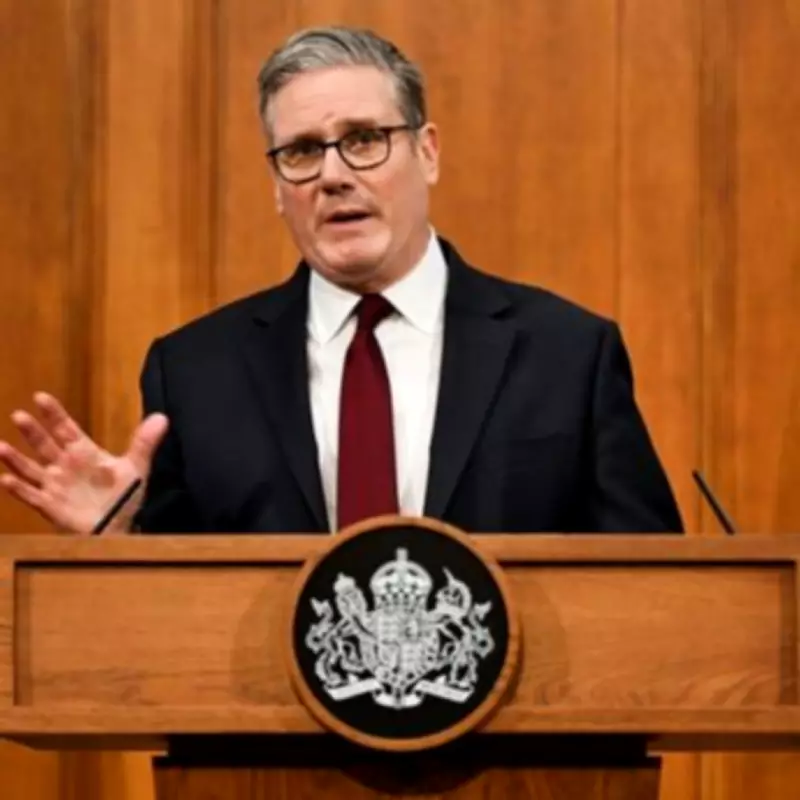
Prime Minister Keir Starmer has asserted that the ongoing Iran war underscores the urgent need for the United Kingdom to move closer to Europe, as he indicated British warships could participate in a military operation to secure the vital Strait of Hormuz. Speaking at a Downing Street press conference, Starmer addressed the escalating conflict, economic concerns, and international alliances, framing the crisis as a pivotal moment for the nation's future.
1. Dismissing Trump's NATO Threats
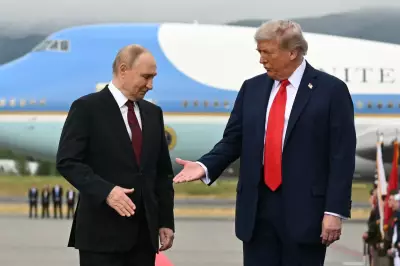
Questioned about former US President Donald Trump's alarming suggestion that America might abandon the NATO alliance, Starmer firmly defended the bloc. Trump, in comments to The Telegraph, described NATO as a "paper tiger" and hinted at withdrawal, but the Prime Minister countered this stance.
Starmer stated: "Firstly, NATO is the single most effective military alliance in the world. It has kept us safe for many decades and we are fully committed to NATO. Secondly, whatever the pressure on me or others, and whatever the noise, I'm going to act in the British national interest in the decisions that I make."

He emphasised that the UK would not be dragged into the Iran war, maintaining a clear boundary between alliance commitments and direct conflict involvement.
2. Advocating for Closer EU Ties
The Prime Minister argued that Brexit inflicted "deep damage" on the UK economy and that current global volatility necessitates a stronger partnership with the European Union. He announced plans for a new summit in the coming weeks to demonstrate ambition in enhancing UK-EU relations.
Starmer explained: "As the world continues down this volatile path, our long-term national interest requires closer partnership with our allies in Europe and with the European Union. A partnership for the dangerous world that we must navigate together, a world where this Government will be guided at all times by the interests of the British people."
While pressed on rejoining the single market, Starmer noted Labour's manifesto commitments against rejoining the single market or customs union but affirmed consistency in seeking a closer relationship with Europe.
3. Conflict's Long-Term Impact on the UK
Opening his remarks, Starmer warned that the Iran war would profoundly affect the UK's future for decades, but expressed confidence in the nation's resilience. He framed the government's response as a defining moment for a generation.
He said: "The impact of this war will affect the future of our country. No matter how fierce this storm, we are well-placed to weather it and we have a long-term plan to emerge from it a stronger and more secure nation. How we emerge from this crisis will define us for a generation."
Starmer pledged to avoid a return to "business as usual," promising transformative actions on the economy, energy, and defence to create a fairer and more secure Britain.
4. Military Plans for the Strait of Hormuz
Starmer hinted that the British military could lead an international operation to secure the Strait of Hormuz, a critical shipping route blocked by Iran, which transports 20% of the world's oil and natural gas. Foreign Secretary Yvette Cooper will host a meeting of 35 allies to discuss restoring freedom of navigation, with military planners to follow.
The Prime Minister cautioned: "Following this meeting, we will also convene our military planners to look at how we can marshal our capabilities and make the Strait accessible and safe after the fighting has stopped. This will not be easy."
This comes after Trump's provocative comments on Truth Social, urging allies like the UK to "build up some delayed courage, go to the Strait, and just TAKE IT," while distancing US involvement.
5. Fuel Duty and Economic Measures
When grilled on plans to axe an incoming fuel duty hike in September, Starmer sidestepped direct commitment, noting the duty would remain frozen until September and be kept under review. He advised drivers to continue as normal despite fuel shortage fears, linking price stability to conflict resolution.

Starmer added: "The best thing for petrol prices would be an end to the conflict. We are monitoring the situation closely to ensure stability for households."
6. US State Visit and Royal Engagements
Starmer declined to comment on whether King Charles should meet victims of Jeffrey Epstein during an upcoming state visit to America, part of the 250th-anniversary celebrations. He emphasised the visit's long-planned nature and the close UK-US alliance.
He stated: "In relation to the King, I think it's important to appreciate this is part of the 250 celebrations. It's a long-planned visit, and the US and UK are close allies, have been for a very, very long time. So that's where the focus of the visit will be."
In summary, Starmer's address highlighted a strategic pivot towards Europe, military preparedness in the Middle East, and a focus on national resilience amid global turmoil. The Prime Minister's remarks underscore a commitment to navigating the Iran crisis through strengthened alliances and proactive defence measures, while addressing domestic economic concerns and upholding international diplomatic engagements.