Starmer Confronts Mounting Pressure on Household Finances Amid Global Energy Crisis
Sir Keir Starmer has publicly recognised the severe pressure that escalating costs are placing on families across the United Kingdom, as the ongoing conflict in Iran threatens to drive prices even higher. The Labour leader's comments come amidst a turbulent global energy market, directly impacted by hostilities in the Middle East.
Geopolitical Turmoil Triggers Soaring Oil and Gas Prices
The war involving Iran has precipitated a dramatic surge in global oil and gas prices, exacerbating the strain on already stretched household budgets. Tehran's aggressive actions, including the throttling of the critical Strait of Hormuz shipping route and attacks on energy facilities throughout the Gulf region, have significantly heightened concerns over the security of fossil fuel supplies worldwide.
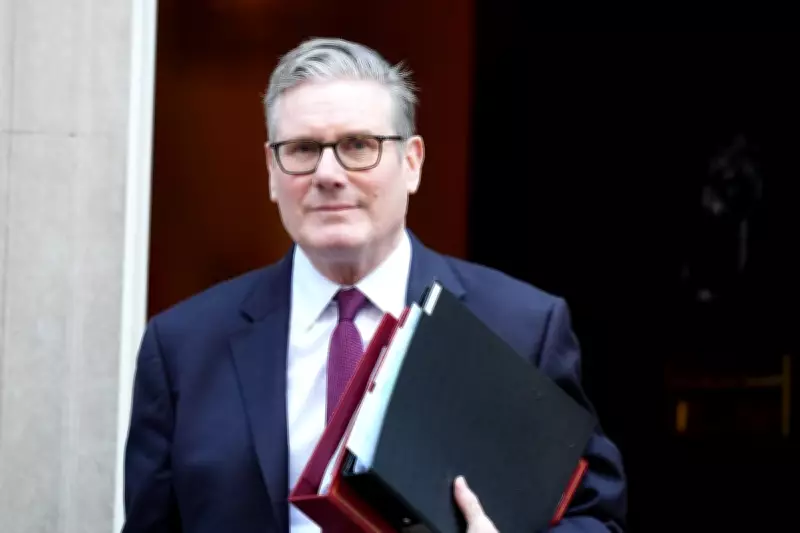
"I know how much pressure rising costs can put on families here in the South East and beyond – especially when there is uncertainty on the global stage," Starmer stated ahead of a government visit. He emphasised that "the longer the conflict continues, the bigger the impact on the cost of living," advocating for a negotiated settlement with Iran as the optimal path forward.

Government Rolls Out Support Measures Amid Economic Anxiety
On Friday, Housing Secretary Steve Reed is scheduled to meet with local residents and community leaders in the South East of England to discuss efforts to safeguard household finances. This engagement forms part of the government's 'Pride in Place' programme, aimed at revitalising neighbourhoods.
The Prime Minister has intensified his focus on living costs since the beginning of the year, undertaking visits to communities nationwide. However, persistent geopolitical instability continues to divert attention and poses a risk to plans for reducing household bills.
To mitigate the impact, the government has already implemented several support initiatives, including:
- A £53 million support package targeted at low-income households dependent on heating oil, whose costs have skyrocketed since the outbreak of the conflict.
- A freeze on rail fares and prescription charges to provide temporary relief to consumers.
- New funding for flood defence schemes in the South East, with a £99 million investment pledged to protect homes and businesses in the region.
Bank of England Governor Warns of Prolonged Inflationary Pressure
Andrew Bailey, the Governor of the Bank of England, has issued a stark warning regarding the economic repercussions of the Middle East conflict. Following the Monetary Policy Committee's decision to maintain interest rates at 3.75%, Bailey indicated that further rate cuts are "not on the horizon" and hinted at potential future hikes.
He explicitly linked the war to impending increases in household energy costs this summer and additional pressure on food prices. "The duration of this problem is crucial," Bailey told LBC, stressing that monetary policy alone cannot resolve the crisis.
"Frankly, reopening the Strait of Hormuz is the best thing to do. Get the energy market back on its normal footing, as it were," he asserted, underscoring that addressing the conflict's root cause is essential for economic stability.
As households brace for a further squeeze on their finances, the interplay between international conflict and domestic economic policy remains a critical challenge for the government, with Starmer's acknowledgment reflecting the deepening anxiety felt by families nationwide.