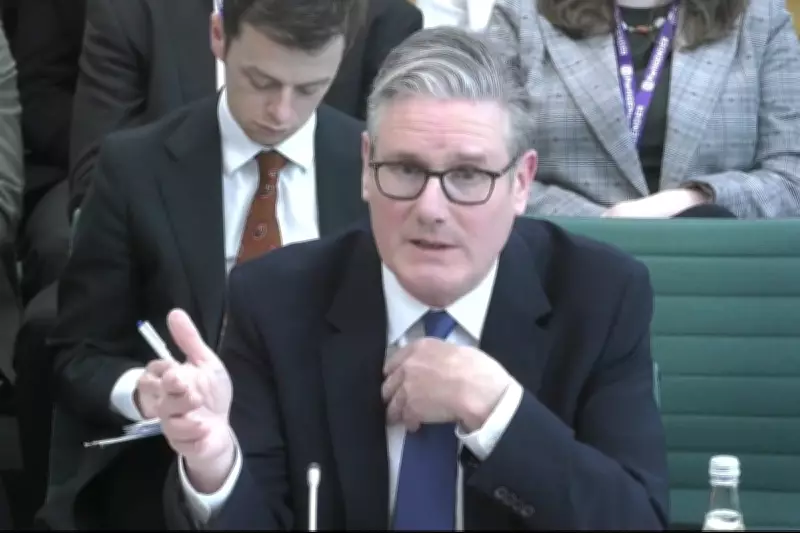
Prime Minister Sir Keir Starmer has declared that the British government must prepare for the ongoing conflict with Iran to continue "for some time," while firmly stating that the United Kingdom will not become directly involved in the hostilities. Addressing the Liaison Committee of senior MPs on Monday, Starmer emphasised the need for realistic planning despite welcoming reports of diplomatic talks between the United States and Iran.
Planning for Prolonged Conflict
Sir Keir Starmer told committee members that it was "hard to answer" precisely how long the Middle East crisis would persist. He revealed he had specifically cautioned his team against falling into what he termed the "false comfort" of anticipating "a quick and early end to this." The Prime Minister stressed that while all focus should remain on achieving swift de-escalation, practical planning must proceed on the assumption that hostilities could extend considerably.
UK Position on Involvement
The Prime Minister was unequivocal about Britain's role in the conflict, stating repeatedly: "This is not our war, and we are not getting dragged into this war." He clarified that the UK and its allies would continue to act in what he described as "collective self-defence," but maintained this did not constitute direct military engagement in the Iran confrontation.

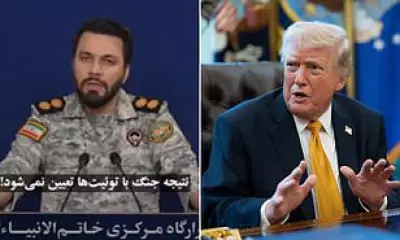
Starmer's appearance before the parliamentary committee occurred mere hours after US President Donald Trump announced he would "postpone" threatened strikes against Iranian energy infrastructure following what he called "very good and productive" discussions with Tehran. The Prime Minister confirmed the UK government had been "aware" of these diplomatic exchanges.
Trump's Diplomatic Moves
President Trump had previously threatened to destroy Iranian power plants unless Tehran reopened the strategically vital Strait of Hormuz to international shipping by Monday evening. Speaking from Florida, the American president revealed his advisers had conducted talks with "a top person" in the Iranian regime, with further conversations scheduled to occur "at some point very soon."
"We have had very, very strong talks," Trump told reporters. "We will see where they lead. We have major points of agreement, I would say almost all points of agreement." However, the US president later tempered expectations, cautioning against assumptions that a definitive peace agreement would be reached. He indicated any potential deal would likely require Iran to abandon its nuclear weapons programme and accept joint US-Iranian control over the Strait of Hormuz.
UK Defence Capabilities
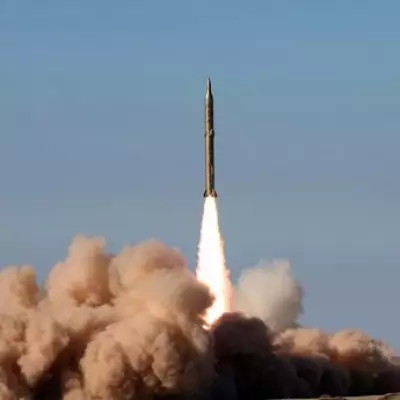
During his committee testimony, Prime Minister Starmer addressed concerns about potential Iranian missile threats against the United Kingdom. He assured MPs that Britain possesses "very effective ways of defending ourselves" against such attacks, though he declined to provide specific details about interception capabilities.
"I don't want to raise levels of public anxiety," Starmer explained. "They are anxious about what they're already seeing on their television screens. They're anxious about the impact it will have on them, particularly economically, in their households."
Economic and Defence Planning
The Prime Minister revealed that a long-delayed defence investment plan had now reached his desk for final consideration. He further suggested he favoured enhanced defence cooperation with European Union partners in future, specifically mentioning that joining the Brussels-based Security Action for Europe (Safe) defence fund would "certainly be on the agenda" during upcoming UK-EU summit discussions.
Starmer confirmed he would chair a meeting of the government's emergency Cobra committee later on Monday to address the economic repercussions of the conflict. The session was expected to include Chancellor Rachel Reeves, Foreign Secretary Yvette Cooper, Energy Secretary Ed Miliband, and Bank of England Governor Andrew Bailey among senior participants.

Economic Impact Assessment
The Cobra meeting would examine "a wider set of measures for the economy and specific sectors within the economy," according to the Prime Minister. The government has already announced support measures for households dependent on heating oil, though Starmer continued to downplay prospects of fuel rationing, stating authorities had no "meaningful concerns about energy supplies" despite acknowledging daily price fluctuations.
Global oil prices have surged above 100 US dollars per barrel since the conflict's outbreak, raising significant concerns about inflationary pressures and cost-of-living impacts in Britain. On Monday, crude oil briefly reached 114 dollars per barrel before retreating to approximately 101 dollars following President Trump's announcement of renewed diplomatic engagement with Iran.