Starmer's Leadership Tested by Controversial Peerage Appointment
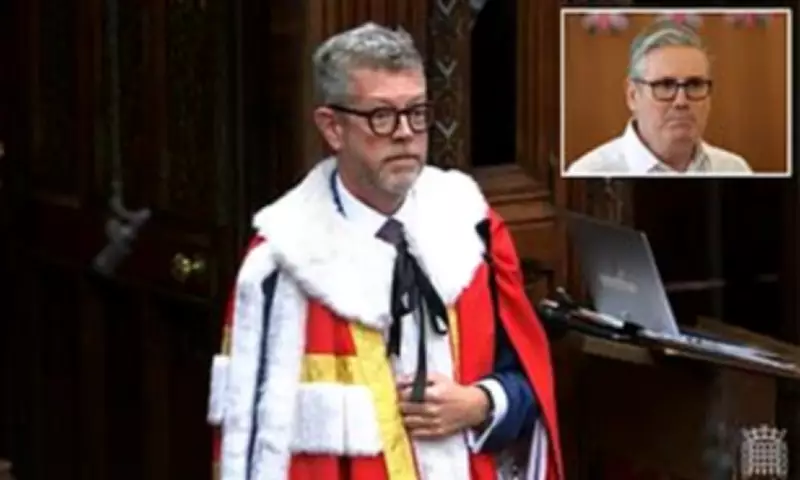
Prime Minister Keir Starmer is facing intense scrutiny and growing political pressure following revelations about his decision to award a peerage to his former communications chief, Lord Matthew Doyle, despite alleged knowledge of Doyle's connections to a convicted paedophile councillor. The Labour Party has now withdrawn the whip from Lord Doyle, sparking a fresh crisis for the Prime Minister and raising serious questions about his judgment and the vetting processes within his administration.
Timeline of Events Raises Alarming Questions
The controversy centres on Lord Doyle's association with Sean Morton, a former Moray councillor who was charged in late 2016 and later convicted in November 2017 for possessing indecent images of children. Lord Doyle has admitted to campaigning for Morton during the 2017 local elections, when Morton ran as an Independent candidate after being suspended by Labour. In a statement, Lord Doyle apologised "unreservedly" for this support, acknowledging it was a "clear error of judgment" to continue backing Morton before the judicial process had concluded.
However, the political storm has intensified due to the timing of Lord Doyle's peerage. Sir Keir announced the appointment on December 10 last year, but the Sunday Times published a front-page story on December 28 detailing the allegations about Doyle's links to Morton. Despite this, the peerage was formalised and published in the London Gazette on January 8. Number 10 insists that Lord Doyle's actions were not known when the peerage was announced, but mounting evidence suggests otherwise, with claims that Downing Street had looked into the issues beforehand.
Internal and External Criticism Mounts
Labour Party chair Anna Turley has been particularly vocal, calling for Lord Doyle to be expelled from the House of Lords. She told Sky News that "what we'd been told was not the truth when that decision was made" regarding the peerage appointment. Turley emphasised that while Lord Doyle has not committed a criminal offence, individuals with such records or who lack transparency have no place in the Upper House. She drew parallels to the Peter Mandelson scandal, which previously brought Sir Keir to the brink of political disaster, noting that reforms are needed to make it easier to remove peers in such circumstances.
Opposition leaders have seized on the controversy. Tory leader Kemi Badenoch has demanded that Sir Keir publish all vetting advice and due diligence reports provided before Lord Doyle's appointment, accusing the Prime Minister of handing a peerage to Doyle "despite knowing about his ongoing friendship with a man charged with child sex crimes." The Scottish National Party had also objected to the peerage, adding to the cross-party condemnation.
Lord Doyle's Apology and Labour's Response
In his detailed statement, Lord Doyle condemned Morton's "vile" offences and expressed that his thoughts are with the victims. He explained that he had believed Morton's assertions of innocence at the time and had "extremely limited" contact with him after the conviction, primarily to check on his welfare. Lord Doyle concluded by stating he would not be taking the Labour whip, and the party has confirmed that the whip has been withdrawn pending an investigation. A Labour spokesman said, "All complaints are assessed thoroughly in line with our rules and procedures."
Broader Implications for Starmer's Premiership
This scandal has reignited concerns about Sir Keir's judgment and the effectiveness of Downing Street's vetting systems. Allies of the Prime Minister have pointed to failures in the vetting process, reminiscent of the Mandelson affair, but critics argue that ultimate responsibility lies with Sir Keir. Education Minister Georgia Gould, when questioned about the timeline, suggested that the Prime Minister has "looked at this afresh" and remains committed to high standards in public life.
As investigations proceed, the episode threatens to undermine Sir Keir's authority and his pledge to restore integrity to British politics. With calls for transparency and accountability growing louder, the Prime Minister faces a critical test in managing this crisis and demonstrating that his government can uphold the ethical standards it promises.