Sir Keir Starmer has issued a stark warning that the United Kingdom faces an 'inflation spike' as a result of a 'war on two fronts', insisting that the nation must not simply revert to the 'status quo' following the conflict in Iran. Instead, he argued, 'we have to take a different course'.
Bank of England Predictions Align with Starmer's Concerns
The Prime Minister concurred with the Bank of England's bleak projections that inflation could surge above six per cent. He cautioned that even after the Strait of Hormuz is reopened, 'I don't want anybody to think it will all return to normal'. The closure of this crucial shipping channel by Iran has wreaked havoc globally, disrupting oil flows and sending prices skyrocketing.
Pledging Closer EU Ties and Green Energy Shift
Speaking today, Starmer vowed to bring the country 'much closer to the EU' despite Brexit, and signalled robust support for green energy. He asserted that energy independence was no longer an 'ideological argument' because energy was being 'weaponised', making self-reliance imperative for the UK. Drawing comparisons between the war's economic shocks and those of COVID and Brexit, he accused previous administrations of 'flatlining the country' for two decades by failing to implement meaningful change after crises.

Refusing to Be Dragged into War
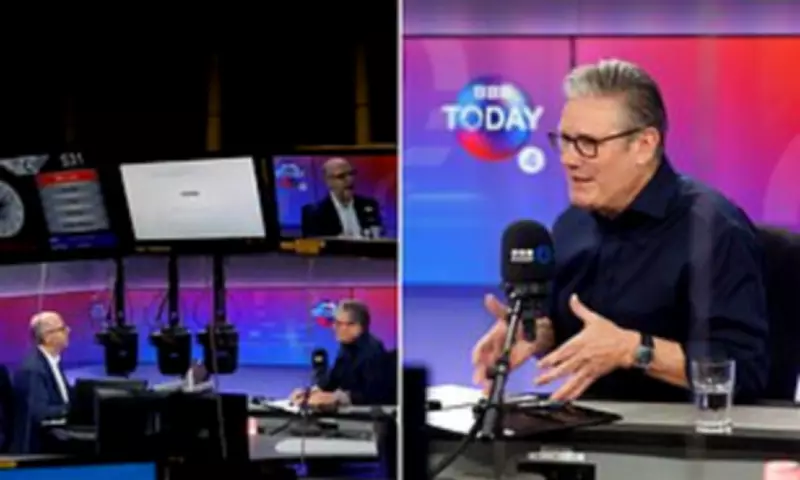
While reiterating his refusal to be 'dragged' into a conflict 'not in our national interest', Starmer acknowledged that the war had damaged what he claimed was a recovering economy. He stated, 'It is Putin who benefits the most' from the situation. In an interview with Radio 4's Today programme ahead of next week's crucial local elections, he recognised the 'frustrations of voters' and declared that the country is at an era-defining moment requiring a different path.
Insisting on Long-Term Judgement
Starmer insisted that he would be judged at the end of his term, not by the upcoming election results, which are expected to be disastrous for Labour and could prompt calls for his resignation. 'There are moments in history which will define a generation and I think we are in one of those moments,' he said. He emphasised that the Iran War is not Britain's war, but it is impacting the economy and daily life.
Economic Impact and the Need for Change
The Prime Minister noted that the economy had been 'beginning to turn a corner' in the spring, with inflation at '3 per cent and dropping and six interest rate cuts in a row', alongside better-than-expected growth figures. However, the latest forecasts have changed all that. 'It is a war on two fronts and the person who benefits most from the war in Iran at the moment is Putin,' he warned. He argued that previous governments had aspired to return to the status quo after crises like the 2008 crash, Brexit, and COVID, but 'the status quo wasn't working'. Therefore, a different course is necessary.
Reopening the Strait of Hormuz and Future Volatility
Claiming to be 'leading with President Macron' in efforts to reopen the Strait of Hormuz, Starmer cautioned that even after the strait is open, things will not return to normal. He pointed to the war in Ukraine and indicators that the world will become more volatile, not less. He questioned Europe's strength and the state of alliances, stating, 'The response has to be not the status quo but a changed Britain, a stronger Britain and a fairer Britain'. This includes strengthening the economy, investment, technology, removing barriers, and being 'much closer to the EU'.
Energy Independence and Defence
When asked about public sentiment given the Brexit vote, Starmer argued for resilience and energy independence, noting that energy supply had been 'weaponised'. He said, 'All the time we are on the oil and gas market internationally, we will be impacted by what is happening globally. We have to take control.' He also asserted that Europe is 'not strong enough' in defence and security, and 'Britain needs to be at the heart of a stronger Europe'. He acknowledged that European countries have not done enough for 20 years and that leaders must step up.

Criticism and Political Challenges
Responding to criticism from former defence secretary George Robertson about 'corrosive complacency' and the unsustainable welfare budget, Starmer denied always blaming others. He took responsibility for the 'mistake' in appointing Peter Mandelson and accused opposition parties of using the situation to attack him. Regarding reports that rivals like Wes Streeting and Angela Rayner are positioning to challenge him, he insisted he was elected in July 2024 on a five-year term and will be judged at the next election on his delivery of promises.