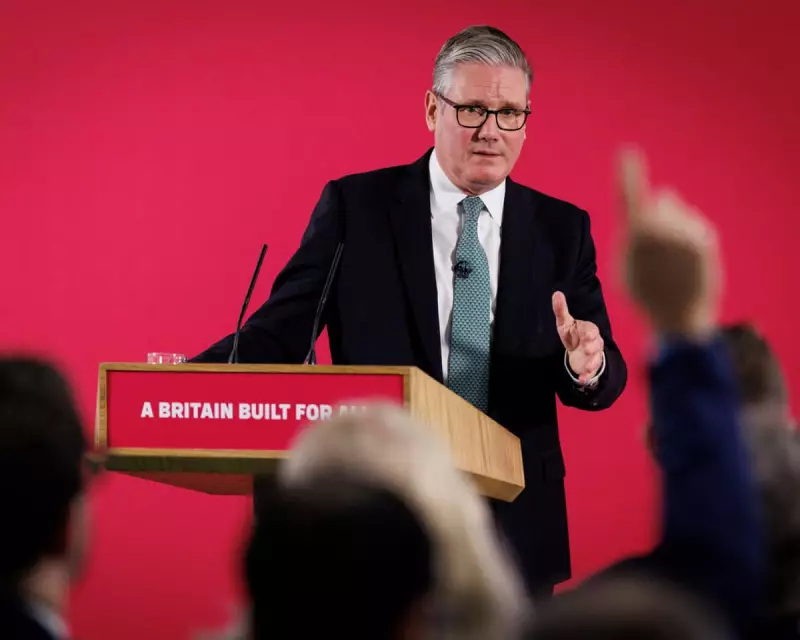
Sir Keir Starmer delivered a defiant speech on Monday, attempting to rewrite the narrative of last week's tumultuous budget announcement. The Labour leader presented his own "story of the budget" at a London community project, seeking to shift focus away from the procedural chaos that has engulfed his party and onto the policy substance.
A Narrative of Self-Inflicted Chaos
Political observers are increasingly questioning whether the Labour Party possesses a political death wish. The period leading up to the budget has been characterised by what some describe as deliberate self-sabotage, marked by a series of leaks, contradictory briefings, and confusing timelines regarding the Office for Budget Responsibility's report. This created an atmosphere of chaos that overshadowed the government's intended message.
This pattern follows earlier controversies, including U-turns on benefit cuts and questions over party conduct. The budget process, however, represented a crescendo of disarray. The situation allowed opponents and sections of the media to concentrate on process over policy, providing an open goal for criticism of both Starmer and Chancellor Rachel Reeves.

Starmer's Counter-Narrative and Policy Pledges
In his Monday address, Starmer fiercely contested the Conservative portrayal of the budget. He framed it as a plan to "unlock the country's potential" and repair public services damaged during the Tory years. He placed particular emphasis on tackling child poverty, pledging to lift the "abhorrent" two-child benefit cap—a significant moral mission, though one notably absent from the party's recent election manifesto.
Starmer argued the budget made necessary choices, prioritising public service funding and fiscal headroom over tax cuts. He blamed the preceding Conservative government for Britain's chronic low productivity and weak growth. The Labour leader also dismissed Tory claims of a "Benefits Street" budget, pointing out that most welfare payments go to working people and accusing the opposition of hypocrisy given their own record on welfare spending.
The Unrelenting Focus on Process
Despite Starmer's efforts, journalists at the event persistently returned to the questions surrounding the budget's chaotic rollout. The central issue was whether Chancellor Reeves misled the public by citing a "black hole" in the finances after the OBR had reportedly given a less bleak assessment. Starmer robustly defended his chancellor, citing the ongoing productivity gap and need for fiscal responsibility.
The episode highlights a deeper, perhaps psychological, challenge for Labour. After 14 years in opposition, the party appears at times uncomfortable wielding power, its actions occasionally mirroring a self-destructive impulse, or 'Thanatos', as the original commentary suggested. The chaos seems hardwired, forcing supporters and the public to look past the shambles to see any substantive achievements.
While Starmer expressed hope that the worst was over, the budget saga has left a lingering question: can Labour overcome its apparent instinct for self-sabotage and present a united, competent front to the electorate, or will internal chaos continue to define its time in government?