Starmer's Burnham Dilemma: A No-Win Situation with Far-Reaching Implications
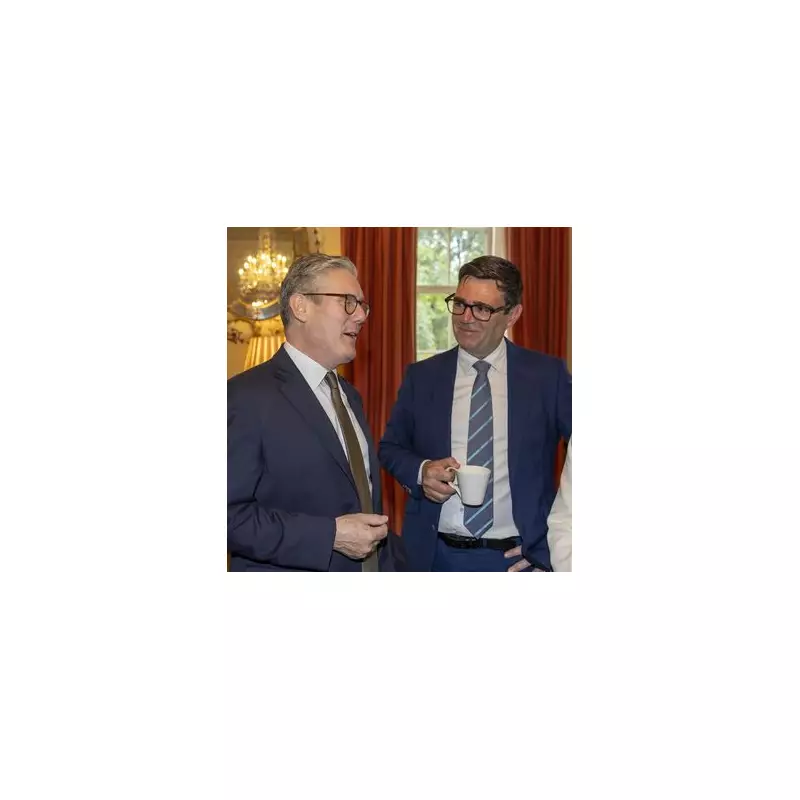
When Andy Burnham declared his intention to contest the upcoming Gorton and Denton by-election, Prime Minister Keir Starmer found himself confronting a political predicament with no favourable outcomes. The Labour leader's subsequent decision to block Burnham's return to Westminster through the party's ruling body has ignited internal fury and may carry severe long-term consequences for his leadership.
The Impossible Choice Facing the Prime Minister
Starmer essentially faced two deeply problematic alternatives. Permitting Burnham to run would have immediately fuelled speculation about a potential leadership challenge, removing a significant obstacle since only sitting MPs can stand for the party leadership. Furthermore, it would have triggered an unexpected mayoral by-election in Greater Manchester, diverting crucial party resources from already challenging elections scheduled for May in Scotland, Wales, and English councils.
Terrible results in these May contests could create a moment of genuine peril for Starmer, with ambitious figures like Burnham potentially positioned to capitalise on any perceived weakness. The alternative path—which Starmer ultimately chose—was to block Burnham's candidacy, citing the substantial cost to taxpayers of staging a mayoral race and the need to concentrate party efforts on the impending May elections.

Immediate Backlash and Long-Term Risks
In the immediate aftermath of the decision, Labour MPs erupted in anger, with many accusing the party's ruling body of orchestrating a political stitch-up. Burnham now risks becoming a martyr figure for disgruntled backbenchers who view the move as excessive control from Downing Street, exacerbating existing tensions within the parliamentary party.
The Labour backbenches have already demonstrated a growing appetite for rebellion, having forced the government into several policy U-turns. Alienating these MPs further will undoubtedly complicate Starmer's legislative agenda and governing effectiveness. Some ministers privately argued that the stronger strategic move would have been to allow Burnham to run, suggesting that blocking him might ultimately project weakness rather than strength.
Leadership Dynamics and Internal Power Struggles
This incident represents the latest development in an ongoing pattern of internal manoeuvring within Labour's upper echelons. Number Ten has previously briefed aggressively against Wes Streeting, another perceived potential leadership challenger, and now has moved to bar Burnham from returning to Westminster. Whether these actions stem from a position of strength or vulnerability remains a matter of intense debate among observers and insiders alike.
Supporters of the Prime Minister contend that the Burnham decision should conclusively end the internal wrangling that has frustrated the public. However, the reality appears more complex. Until Starmer can substantially improve Labour's disappointing poll ratings, whispers about his leadership future are likely to persist, regardless of any decisive actions taken against potential rivals.
Burnham's Political Profile and Electoral Implications
While Burnham certainly has his detractors—some argue he prioritises personal ambition over his constituents in Greater Manchester, who elected him less than two years ago—he remains a popular political figure. His reputation has been significantly enhanced outside Westminster, earning him the moniker "King of the North" during the pandemic response, despite two unsuccessful bids for the Labour leadership in the past.
The electoral stakes are particularly high in Gorton and Denton. Although Labour secured the seat comfortably in 2024, the party now faces a formidable challenge to retain it. Reform UK is deploying substantial resources in hopes of causing an upset, while the Greens threaten to erode Labour's support from the left. Burnham himself has warned that blocking his candidacy could negatively impact the by-election result.

Should Labour ultimately lose this by-election following this controversial decision, the political fallout could be severe and potentially catastrophic for Starmer's leadership. The Prime Minister has taken a calculated gamble, but one that carries significant risks for both party unity and his own political future.