Starmer's Iran Policy Exposes Britain's Strategic Bind
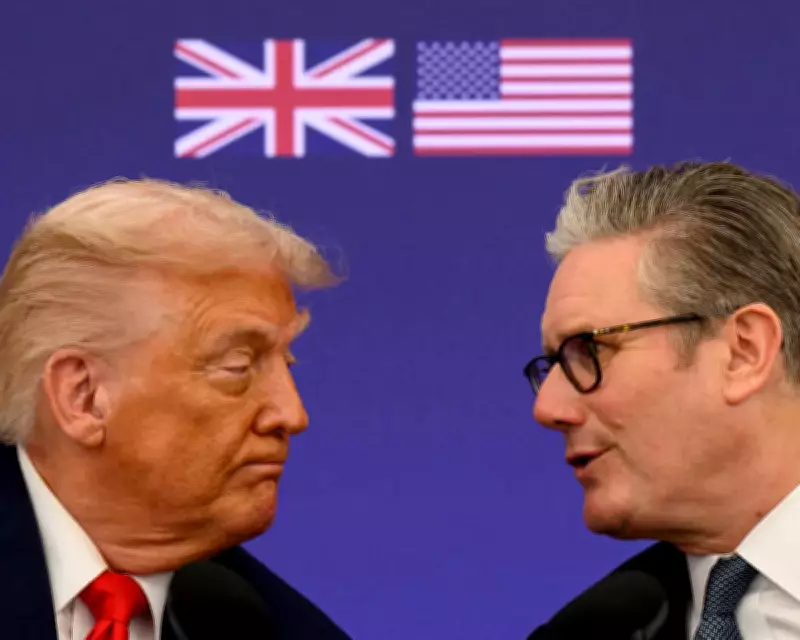
In September 2025, Donald Trump and Keir Starmer convened at Chequers in Buckinghamshire, a meeting that underscored the complex dynamics of the transatlantic alliance. The prime minister's evolving stance on US military action in Iran has left many dissatisfied, but this reflects the absence of viable alternatives in a fraught geopolitical landscape.
The Mafia Model of Alliances
Trump views alliances not as enduring partnerships based on mutual benefit, but as transactional arrangements akin to a mafia protection racket. This perspective poses a significant challenge for European democracies, whose security has long relied on Western solidarity—a concept Trump openly scorns. For Britain, which has distanced itself from the European Union and embraced a "special relationship" with Washington, this represents a profound crisis of geopolitical direction.
Starmer initially withheld permission for the use of UK military bases, citing a lack of legal justification for war. While the Tehran regime is undeniably brutal, primarily targeting its own citizens, there was no evidence of imminent threats to the US or Israel warranting preemptive strikes. The motivation appeared more aligned with Trump's desire for international drama as his domestic agenda faltered.

A Shift in Position
Within days, Starmer adjusted his approach. Iran's retaliatory missile attacks on US-aligned nations endangered British assets and civilians, prompting the involvement of RAF bases—but solely for "collective self-defence." British forces would not participate in "offensive action," a stance Starmer emphasized on Monday, invoking the lessons of the Iraq war.
This nuanced position attempts to balance domestic and international pressures, yet it satisfies no one. Starmer is reluctant but not opposed to the conflict, honouring the transatlantic alliance without the fervour demanded by Trump and his British supporters on the right.
Criticism from All Sides
Nigel Farage and Kemi Badenoch have unreservedly endorsed the attacks on Iran. Badenoch accuses Starmer of using international law as an excuse for inaction, suggesting his true concern is appeasing constituencies with large Muslim populations wary of aligning with Israel. However, this critique overlooks a broader sentiment: ill-conceived military adventures at the behest of a bellicose US president are widely unpopular among British voters.
Zack Polanski and Ed Davey have capitalized on this wariness, highlighting risks of regional escalation and historical precedents. They advocate for diplomatic solutions, but their proposals lack depth. Davey urges Starmer to pressure Trump into planning a democratic transition in Iran, while Polanski calls for condemnation of US actions—both scenarios that exist only in the realm of opposition fantasy.
The Reality of Dependency
Starmer must navigate a precarious reality. He cannot simply dictate terms to Trump; instead, he must carefully wield his influence, considering other strategic priorities like maintaining US support in Ukraine. Britain's military and intelligence capabilities are deeply integrated with Pentagon systems, a dependency Starmer hints at when discussing the "indispensable" defence partnership. Privately, ministers admit that Britain would be "massively exposed" if the US withdrew its friendship.
This vulnerability is seldom acknowledged. Brexit proponents on the right reject the idea that EU membership amplified British power, leaving them advocating for submission to Washington. Meanwhile, the liberal left desires autonomy from a rogue superpower but hesitates to embrace the hard-power capabilities required for true independence.
The Cost of Autonomy
Polanski's call for Britain to reduce US dependency and potentially leave NATO in favour of a Eurocentric alliance ignores the financial implications. Strategic autonomy from a Trump-led US is an expensive endeavour, necessitating higher defence budgets and uncomfortable decisions that opposition leaders can afford to overlook.

Starmer, however, faces these agonizing dilemmas daily. While he may not strike the perfect balance between Europe and the US, he confronts the harsh realities that his critics evade. History may judge that he had no good options, only difficult choices in a world where being Trump's friend is fraught, but being his enemy is far worse.