Prime Minister Grilled Over Iran Conflict and Cost of Living Impact
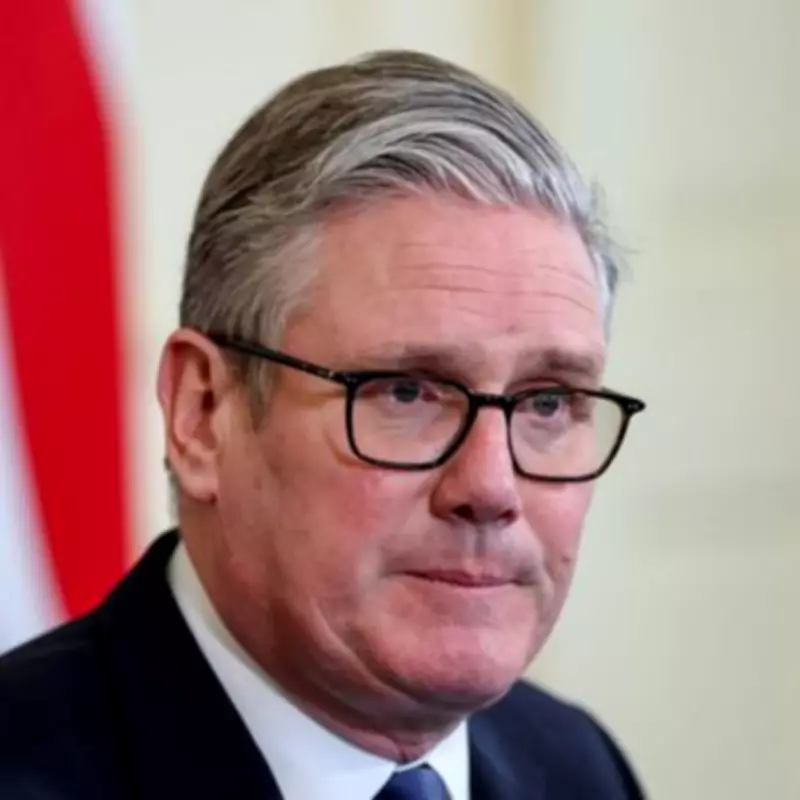
Prime Minister Keir Starmer underwent a rigorous ninety-minute questioning session before the Commons Liaison Committee, addressing critical concerns regarding the escalating Iran war and its profound implications for British households. The session, held amidst mounting fears over the conflict's impact on global oil prices and domestic energy costs, saw Starmer outline the Government's strategic response to the crisis.
De-escalation Efforts and Awareness of US-Iran Talks
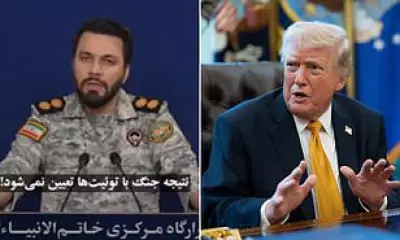
Starmer welcomed the reported postponement of former US President Donald Trump's threats to strike Iranian energy infrastructure, emphasising the urgent need for de-escalation. He revealed that the United Kingdom was fully aware of ongoing discussions between the United States and Iran, which prompted Trump's temporary retreat from the brink. "To that end, I welcome the talks reported between the US and Iran," Starmer stated, adding that the immediate priority must be a swift resolution and a negotiated agreement imposing stringent conditions on Iran, particularly concerning nuclear weapons.
Planning for a Protracted Conflict and Energy Security
The Prime Minister cautioned against complacency, warning his team not to fall into a "false comfort" that the war would conclude swiftly. He acknowledged the difficulty in predicting the conflict's duration but stressed that planning must assume it could persist "for some time." Despite global oil price volatility following Iran's blockade of the Strait of Hormuz, Starmer sought to reassure the public, asserting that the Government holds no "meaningful concerns" about energy supplies. He highlighted existing measures from the previous year's Budget that are currently reducing household energy bills, with these cuts maintained until the end of June.

Winter Energy Support and Anti-Profiteering Measures
Looking ahead, Starmer indicated that ministers are actively considering additional energy bill support for the winter months, recognising that the period from October onwards accounts for the heaviest household energy usage. Furthermore, he addressed concerns over profiteering amid surging fuel prices, announcing that the Government is exploring granting "further teeth" to the Competition and Markets Authority. This would empower the watchdog to more effectively combat price gouging, with specific discussions on enhanced CMA powers scheduled for the Cobra emergency committee meeting.
Responding to Trump's Pressure and Ensuring National Defence
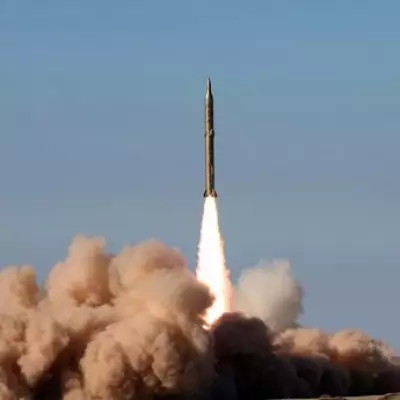
When questioned about Donald Trump's critical remarks, Starmer characterised them as tactics "undoubtedly said and done to put pressure on me." He reaffirmed his unwavering commitment to British national interests, stating he remains "laser-focused" on this principle despite external pressures. On security, the Prime Minister sought to alleviate public anxiety regarding potential Iranian missile threats, praising the armed forces and intelligence services for their round-the-clock efforts to protect the UK. He assured that the nation possesses "very effective ways of defending ourselves," though he declined to elaborate further to avoid heightening public concern.
Defence Investment and Clashes Over Nuclear Energy
Starmer admitted that the UK is not currently on a "war footing" but insisted the Government is "nearly there" in finalising its long-delayed defence investment plan. He attributed delays to a legacy of underinvestment and emphasised the necessity of securing sustainable funding to increase defence spending to 2.5% of GDP. In a pointed exchange, the Prime Minister also criticised the Scottish National Party for obstructing Britain's nuclear energy programme, accusing them of imposing an ideological veto that hampers the expansion of renewable energy sources and Small Modular Reactors across Scotland. He argued that accelerating homegrown renewables and nuclear power is essential to reduce dependence on volatile international fossil fuel markets and enhance national energy security.