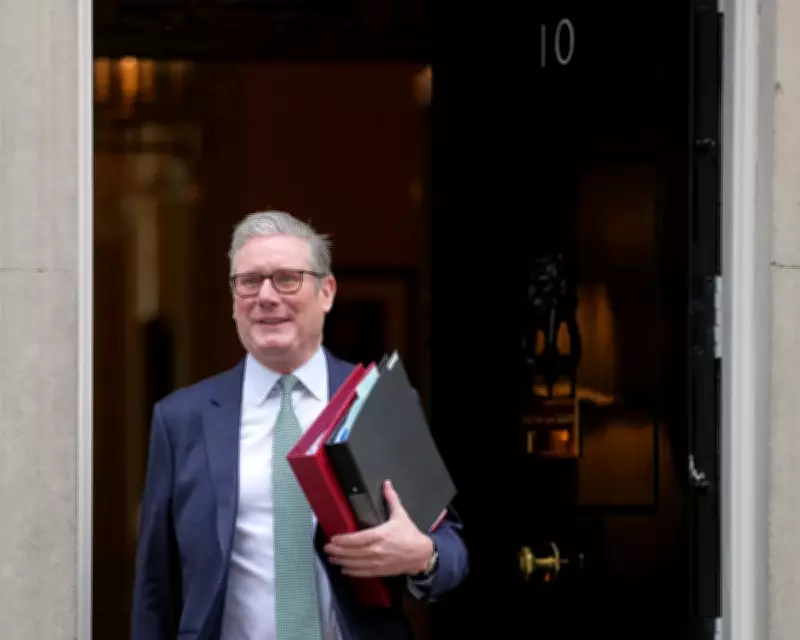
Keir Starmer, the leader of the Labour Party, is embroiled in a protracted period of political turmoil, with his struggles showing no signs of abating. The situation has intensified in recent months, as internal party divisions and external pressures continue to mount, casting a shadow over his leadership and the party's prospects.
Internal Divisions and Policy Disputes
Within the Labour Party, deep-seated disagreements over policy direction and strategy have surfaced, creating a rift among members and MPs. Starmer's attempts to steer the party towards a more centrist position have met with resistance from left-wing factions, leading to public clashes and a lack of cohesive messaging. This internal discord is undermining party unity and hampering efforts to present a strong alternative to the current government.
External Pressures and Public Perception
Externally, Starmer is grappling with a challenging political landscape, including economic uncertainties and shifting public opinion. His approval ratings have stagnated, with polls indicating that voters remain unconvinced by his leadership style and policy proposals. The ongoing cost-of-living crisis and other national issues have further complicated his ability to gain traction, as critics argue he has failed to offer compelling solutions.

Key factors contributing to Starmer's difficulties include:
- Policy ambiguity: A perceived lack of clear, distinctive policies has left the Labour Party struggling to define its identity under Starmer's leadership.
- Communication challenges: Starmer has faced criticism for his communication skills, with some observers noting that he often fails to connect with the electorate on an emotional level.
- Historical baggage: The legacy of previous Labour leaders and party controversies continues to haunt Starmer, making it difficult to rebuild trust and credibility.
Future Prospects and Potential Scenarios
Looking ahead, there is widespread speculation about whether Starmer can overcome these obstacles or if his leadership is nearing its end. Some analysts suggest that a major reshuffle or policy overhaul might be necessary to revive his fortunes, while others predict that internal challenges could lead to a leadership contest in the near future. The lack of a clear end in sight to these struggles is causing anxiety among Labour supporters and MPs alike.
In conclusion, Keir Starmer's leadership is at a critical juncture, with no immediate resolution to his ongoing struggles. The combination of internal divisions, external pressures, and public skepticism has created a perfect storm that threatens to derail his tenure. As the political landscape evolves, all eyes will be on whether Starmer can navigate these turbulent waters or if a change at the top becomes inevitable.